When you see something pleasant, gentle, and pure in this world, the first impression is that this thing just exists on its own in a certain region, pervading the culture of its people. But the closer you look, the more you understand that bright individuals are the stronghold of all this greatness, and more often than not, they fight hard and work hard to make this happening in spite of all the obstacles on the way.
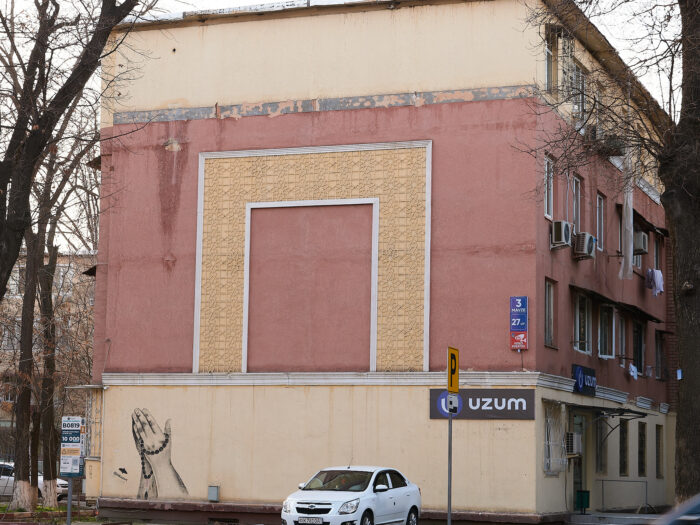
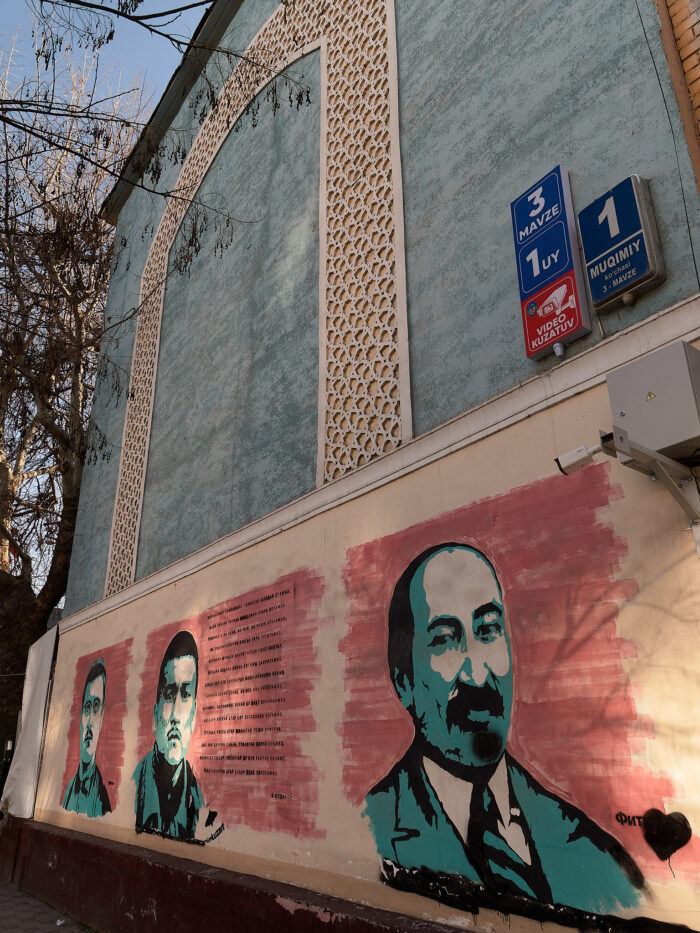
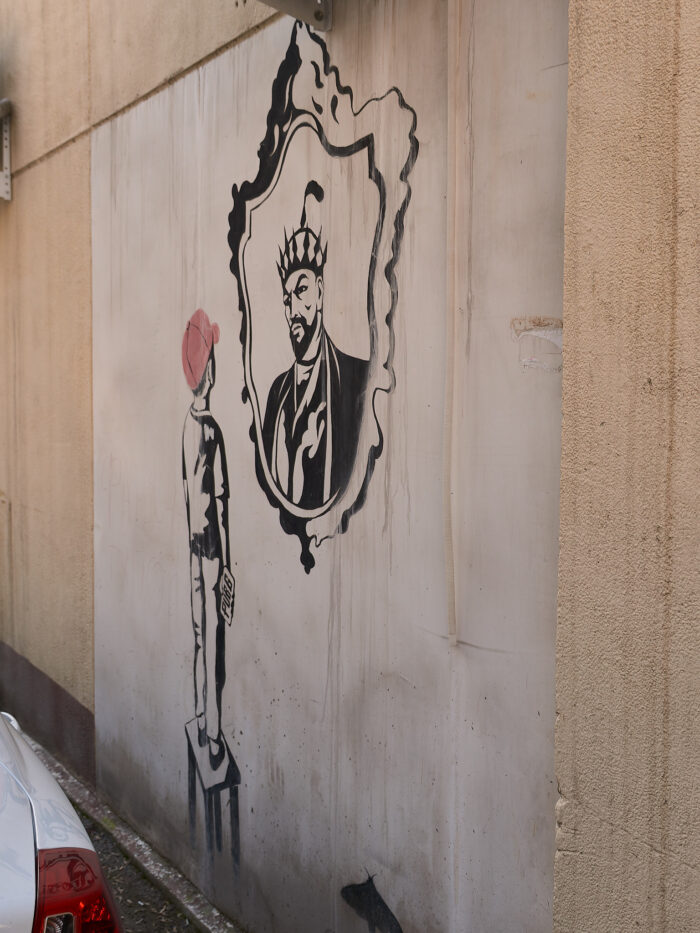
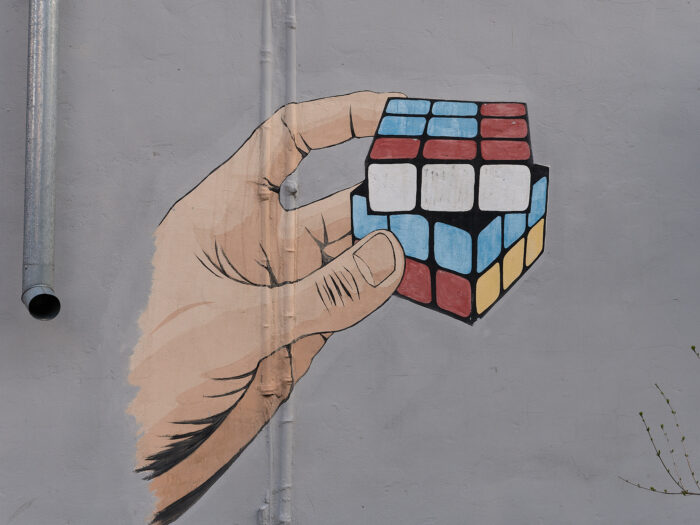
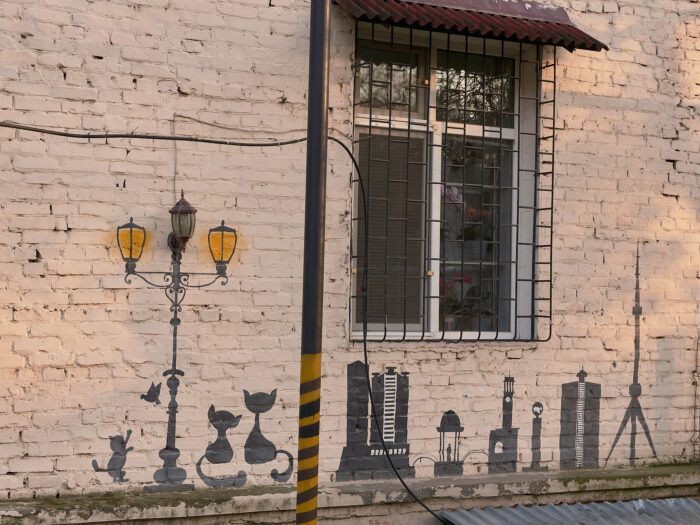
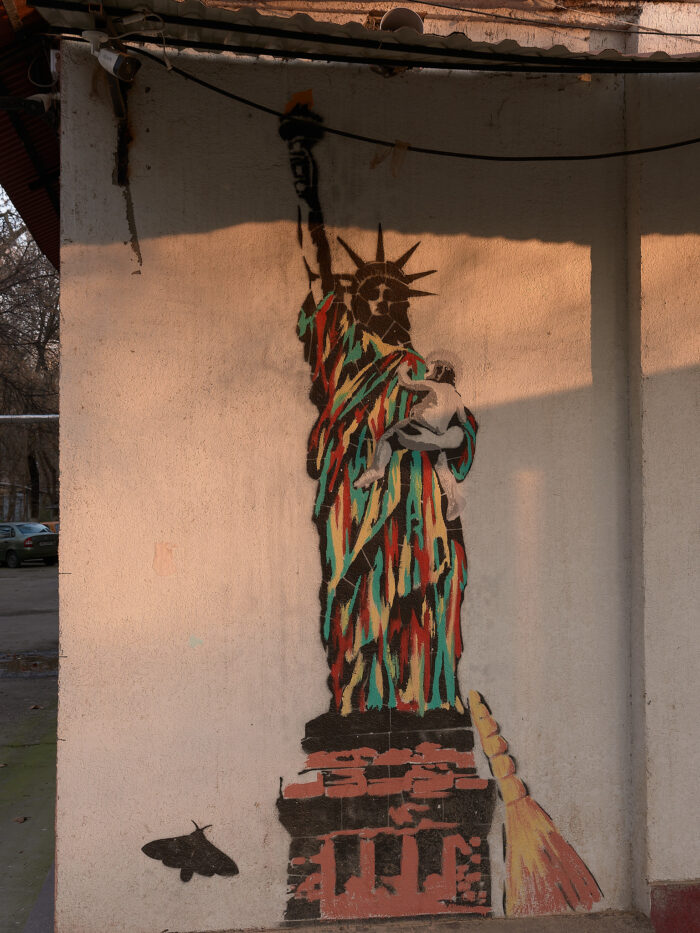
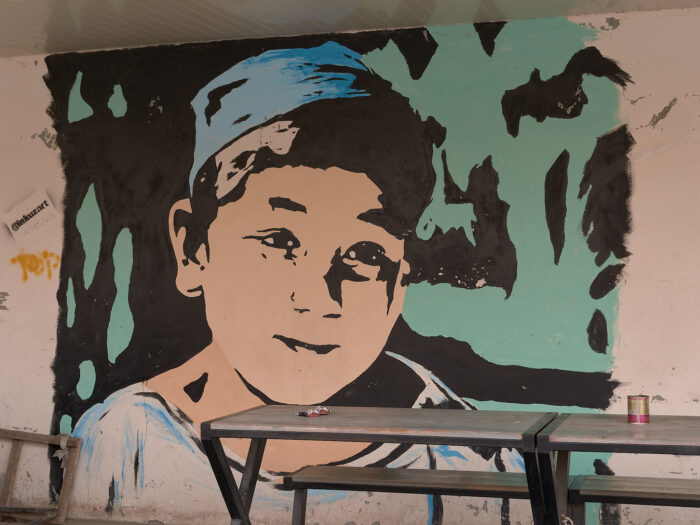
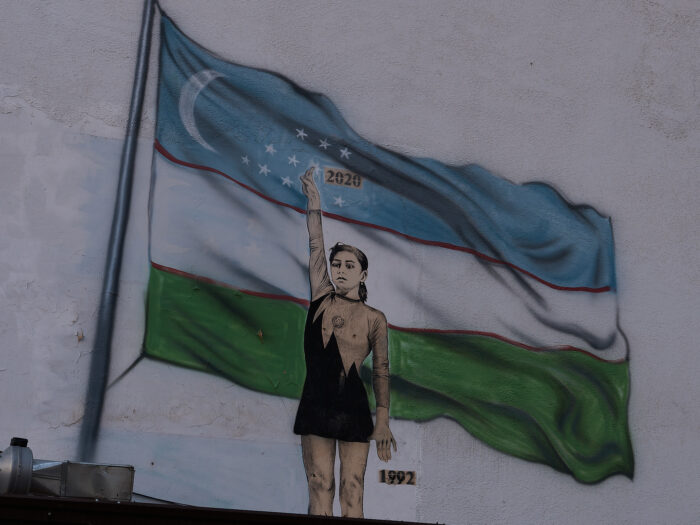
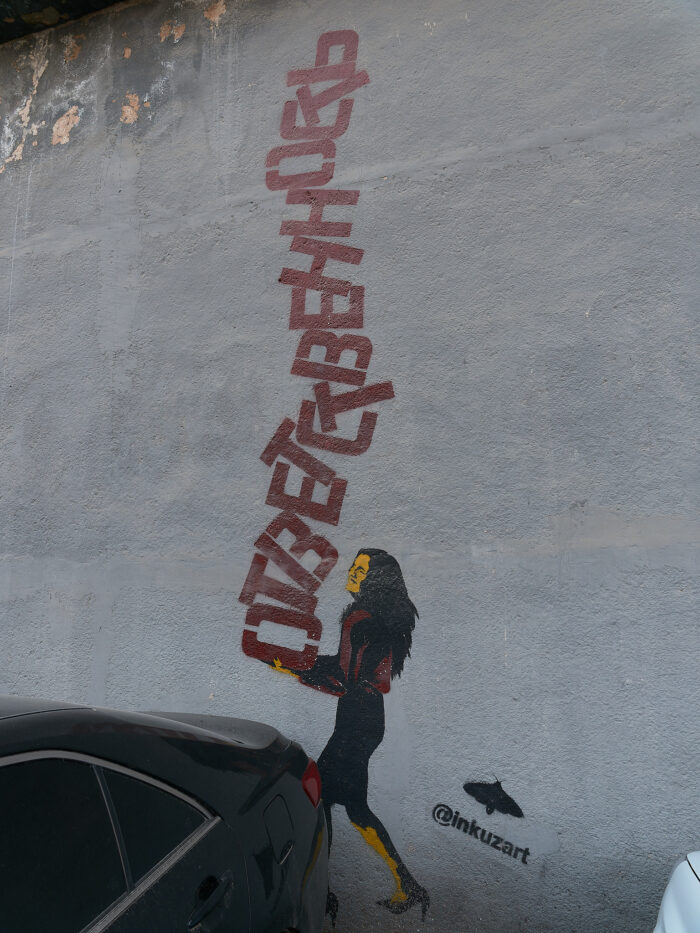
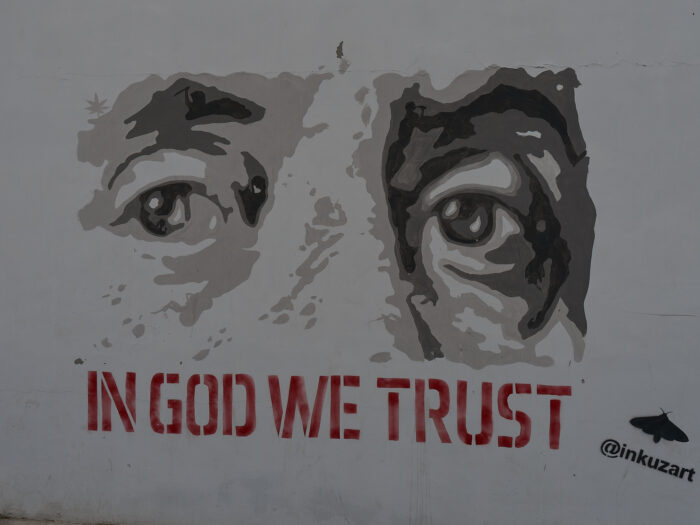
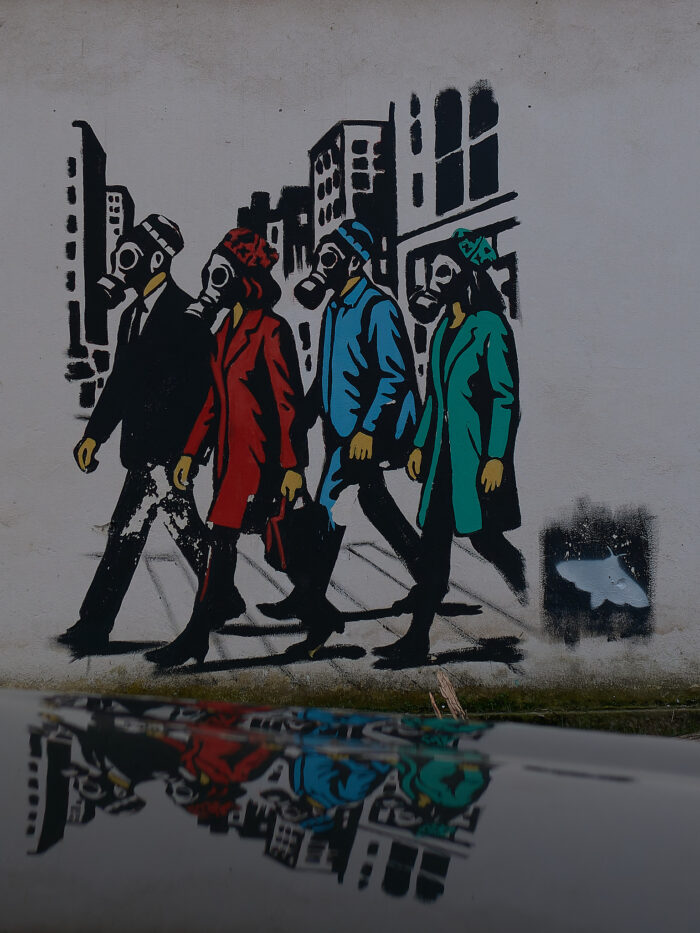
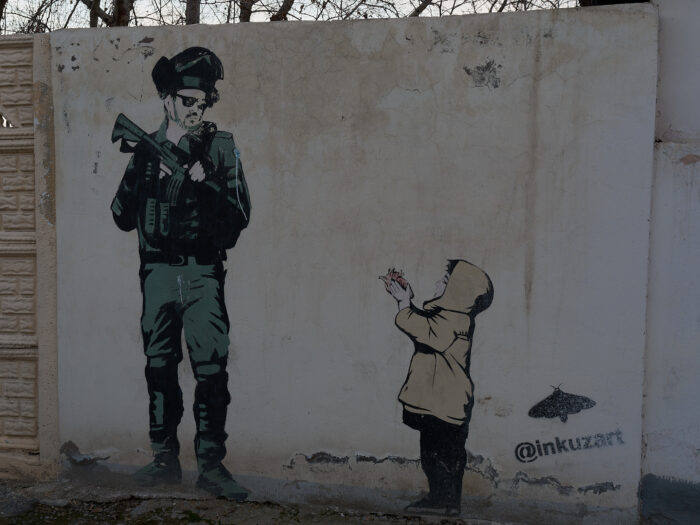
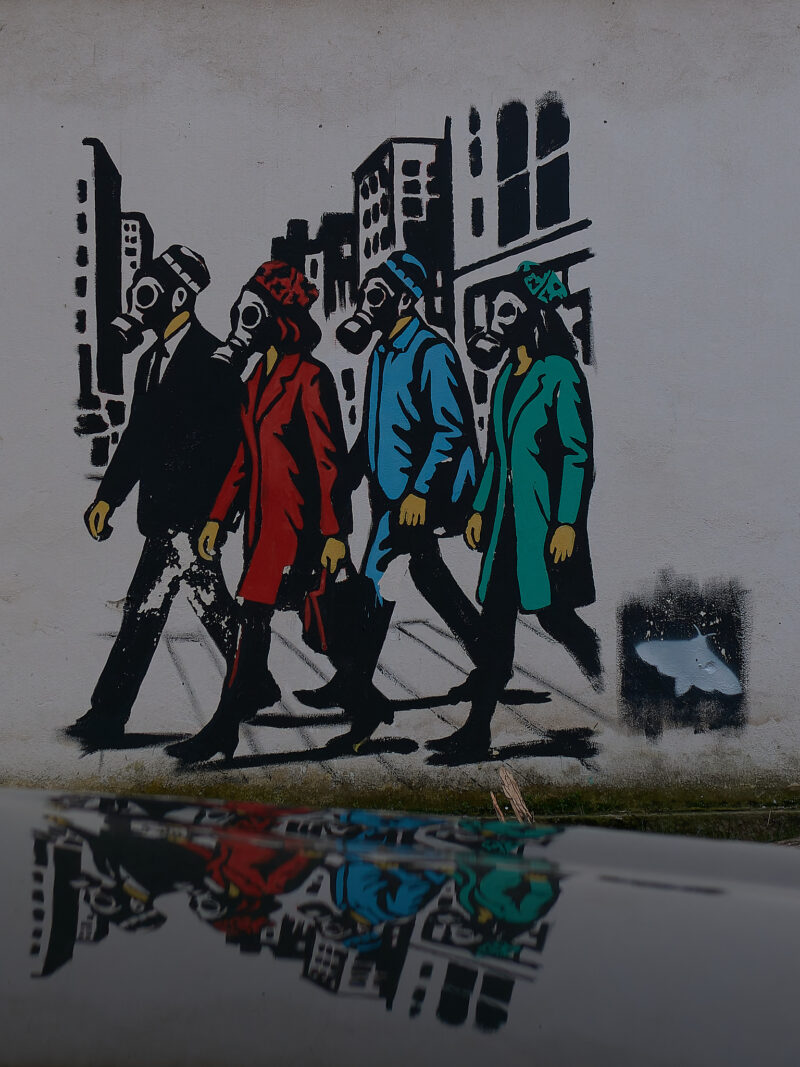
Tashkent has a few such bright people. One of them is Rustam Khusanov, the founder and the only guide of the X-Places community devoted to the history and hidden gems of Tashkent culture and architecture. After the tragic death of the soul of the city, Boris Golender, he is now one of the pillars preserving its rich culture and promoting it. I was lucky enough to visit his tour in the non-glamorous, controversial, but bright and eccentric Chilonzor district of Tashkent to see the masterpieces of another city soul-keeper, a famous graffitist Inkuzart. His nickname means Ink Uzbekistan Art, and he became a local star at the depressing COVID time as he went to the Tashkent streets to reflect the complicated reality of the day. Thanks to Rustam who knows all the locations and histories behind all the graffitis, only some of which are shown here.
With a famous movie theme as a background (the Inkuzart’s favorite), I am remembering my yesterday walk with Rustam, full of impressions.
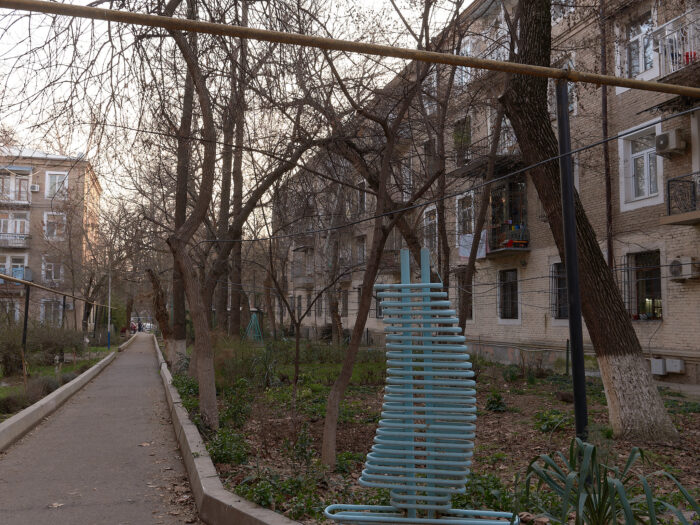
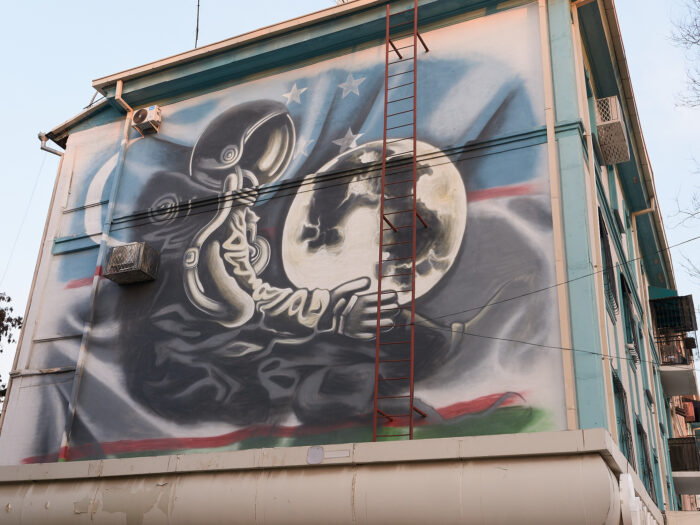
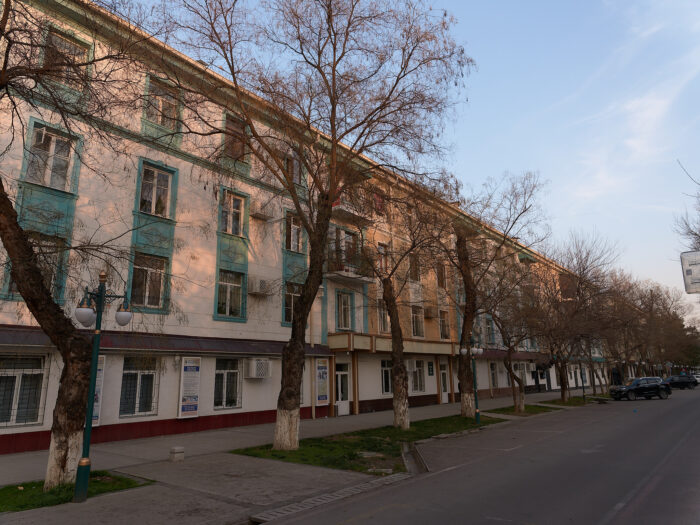
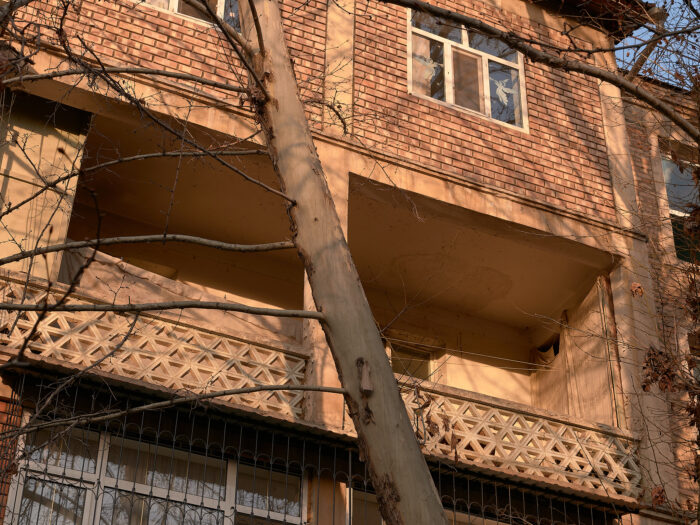
Chilonzor is a very controversial district. It’s quite central but not really. It’s quite clean, but not sterile. It’s called a “Booze District” for being infamously popular among marginalized people, alcoholics, and drug addicts and having so many locations to buy alcohol. All recent municipal urbanization efforts touched luxurious central districts – with new avenues, bike lanes, and modern outdoor cafes. As for Chilonzor, it was one of the good locations to live during Soviet time, accommodating modern houses and facilities, even experimental and imported ones, but quickly dilapidated after the USSR collapse. One of the main boulevards, the Gagarin street, became an improvised marketplace; then it was a street that bums, drunks, and junkies called home. The recent effort to clean it, install modern benches, decorate with thematic graffitis, and paint apartment buildings in bright colors brought some fruit but didn’t improve the reputation of the district much.
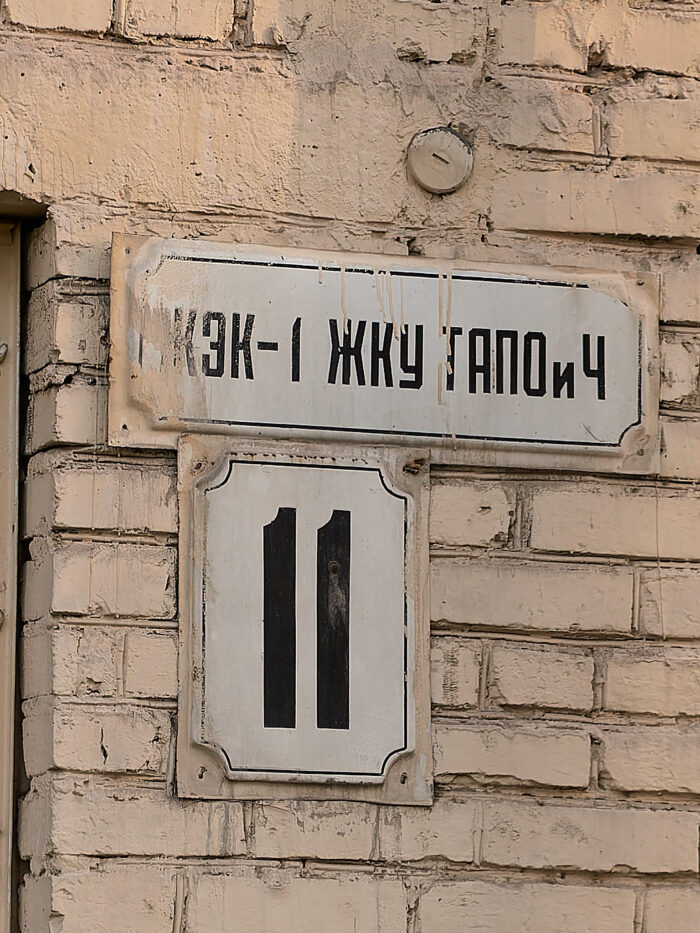
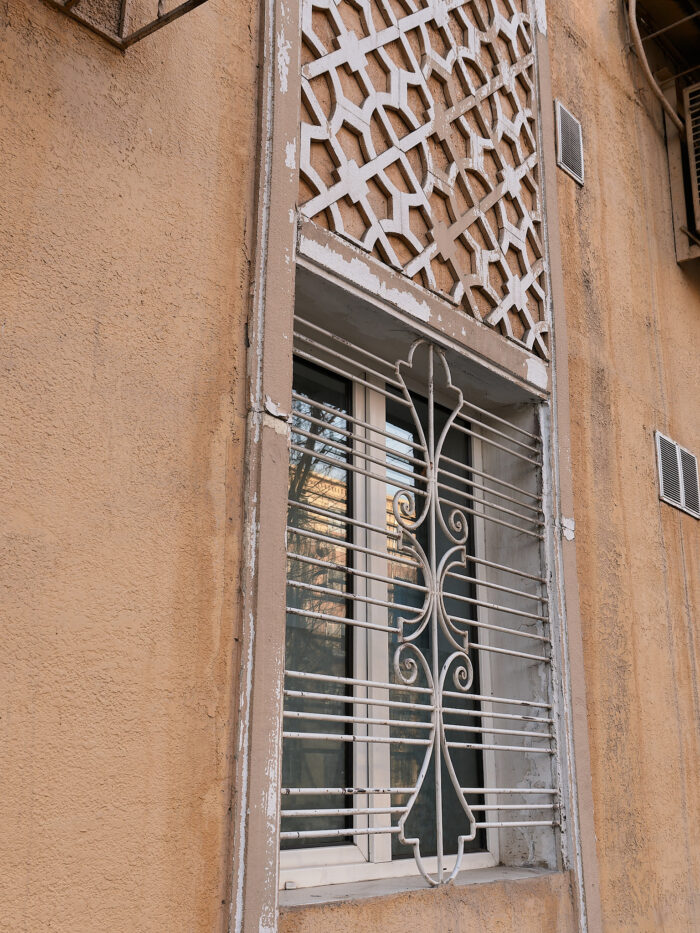
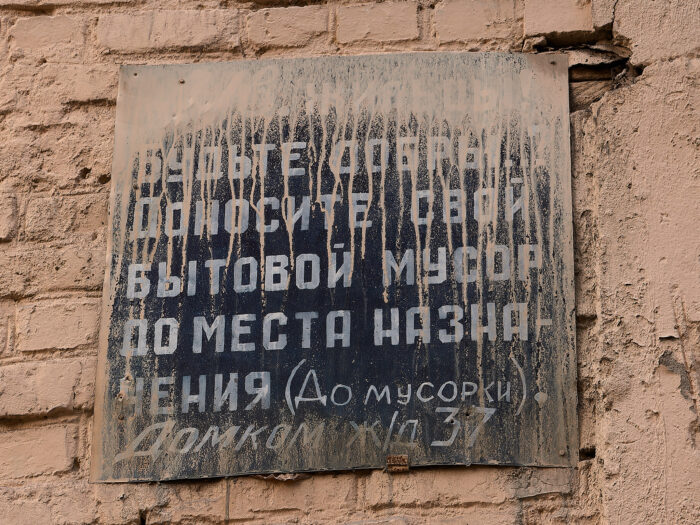
Chilonzor streets and yards are a mixture of old Tashkent’s spacious and green coziness and comfort, a phantasmagoric rote and poverty, modern facilities, and progressive art. It is degradation, art, progress, hope all in one place. And this is home to one of the best-known symbols of Tashkent’s street-art scene: Inkuzart. He dreams of turning the Booze District into an arts quarter.


Most of his works are gone already as they are perceived too political or too progressive or just don’t follow the strict municipal rules. A couple of graffitis only survived for half a day. This is not a catalogue of his masterpieces, but let me show you the examples of his work provided with some explanatory notes.


The Graffitis