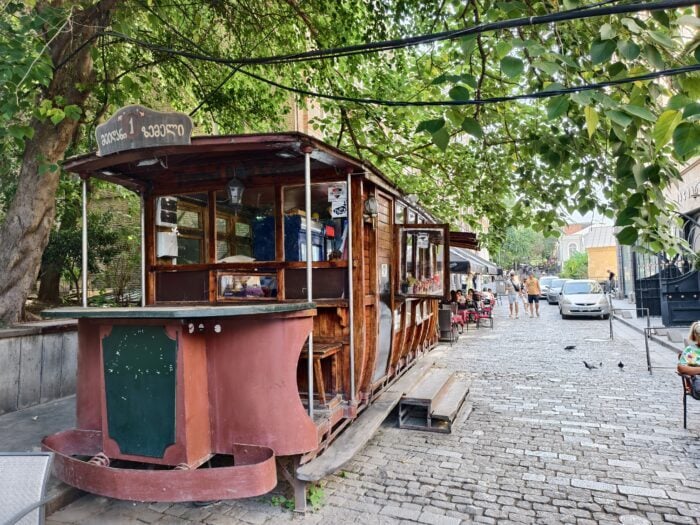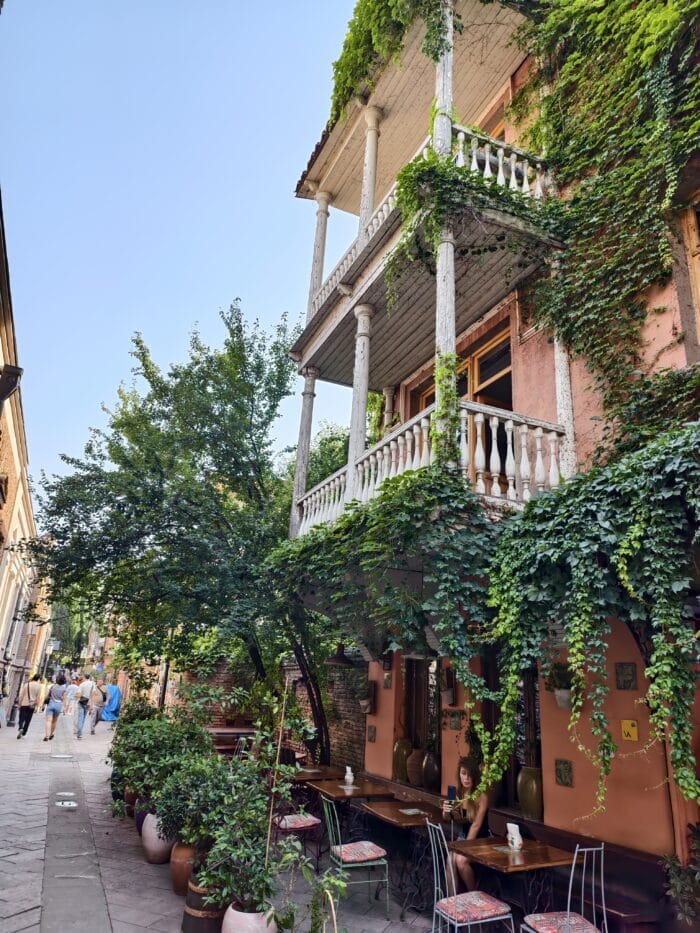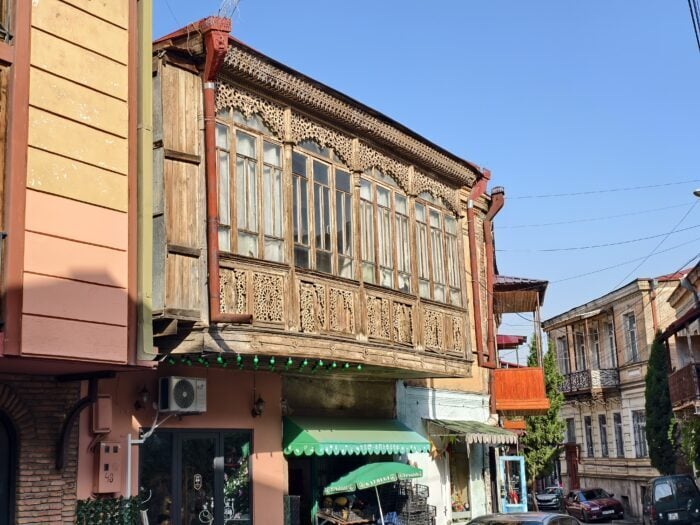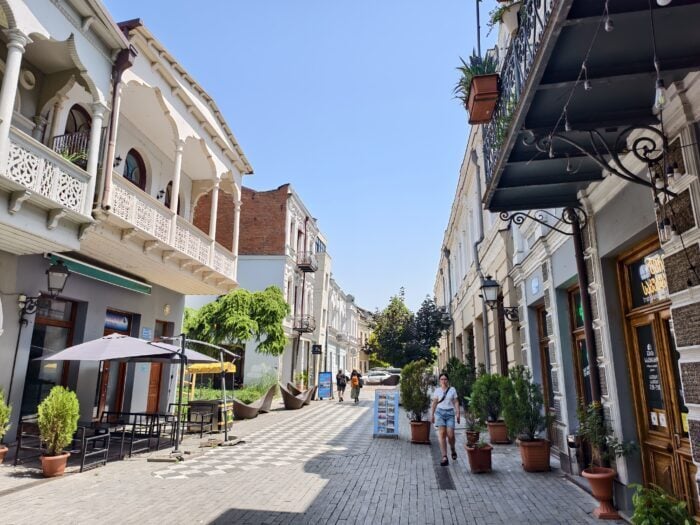
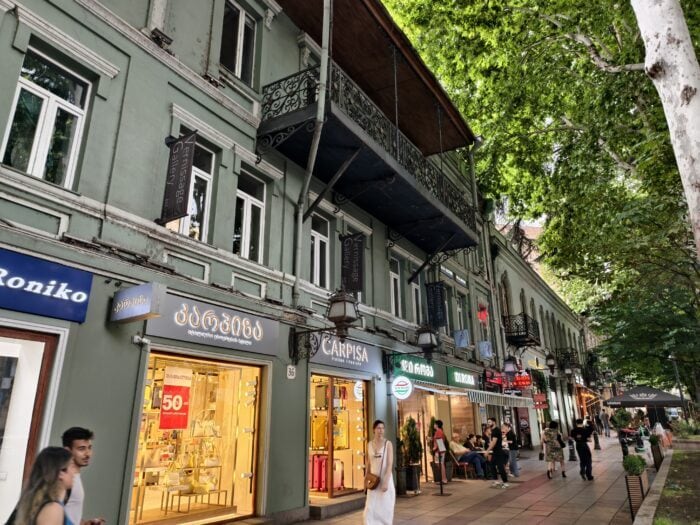
The capital of Georgia gets you an ambivalent impression. It is full of beautiful apartment buildings and charming bars, though it’s struggling to preserve its heritage. Lack of money causes bad maintenance. The city is surprisingly costly, especially dining out. If I were given just three words to express my impressions, they would be “timeworn”, “pretentious”, “wine-centric”. But it’s still charming and charismatic, definitely worth visiting to be soaked into its imperial, Soviet, and modern architecture and for the wine and bar culture. I would recommend staying for 3 to 7 days, depending on whether you are planning to travel around the city.
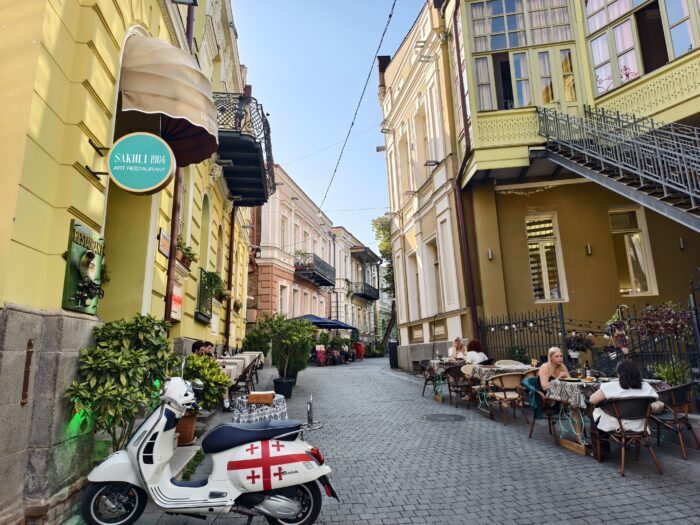
Architecture
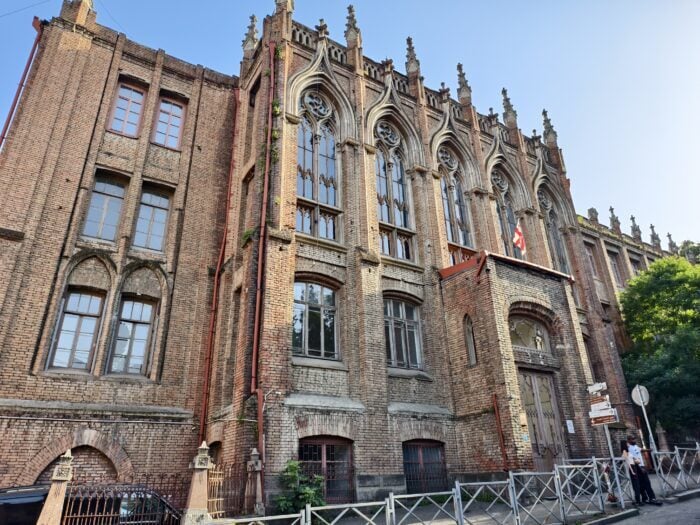
Tbilisi is an ancient city; however, most houses were built during the Russian Empire and Soviet periods with some new modern buildings constructed since independence.
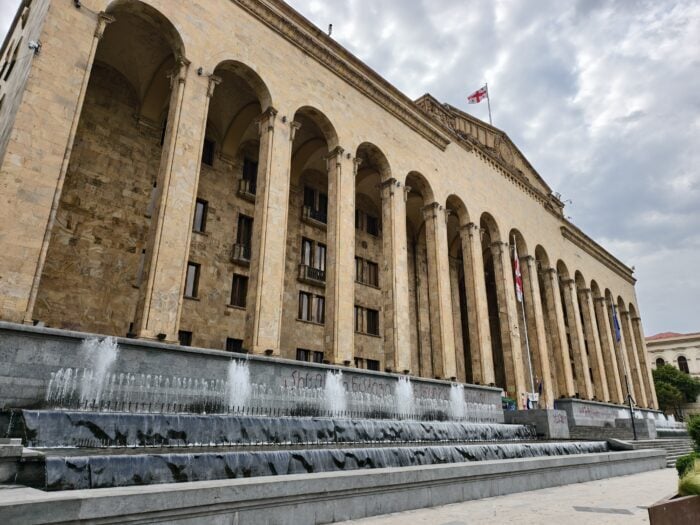
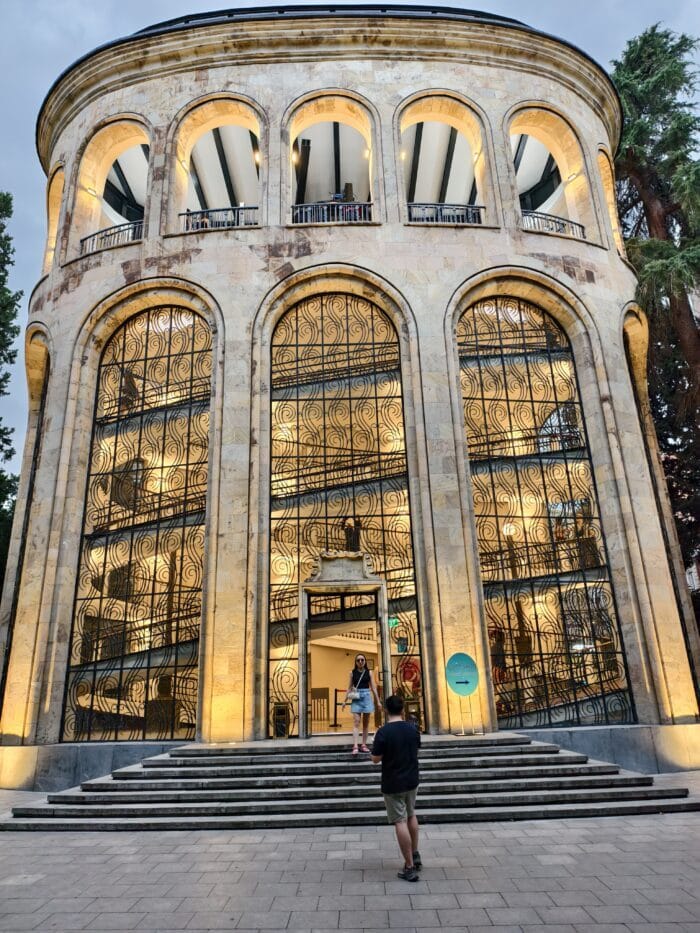
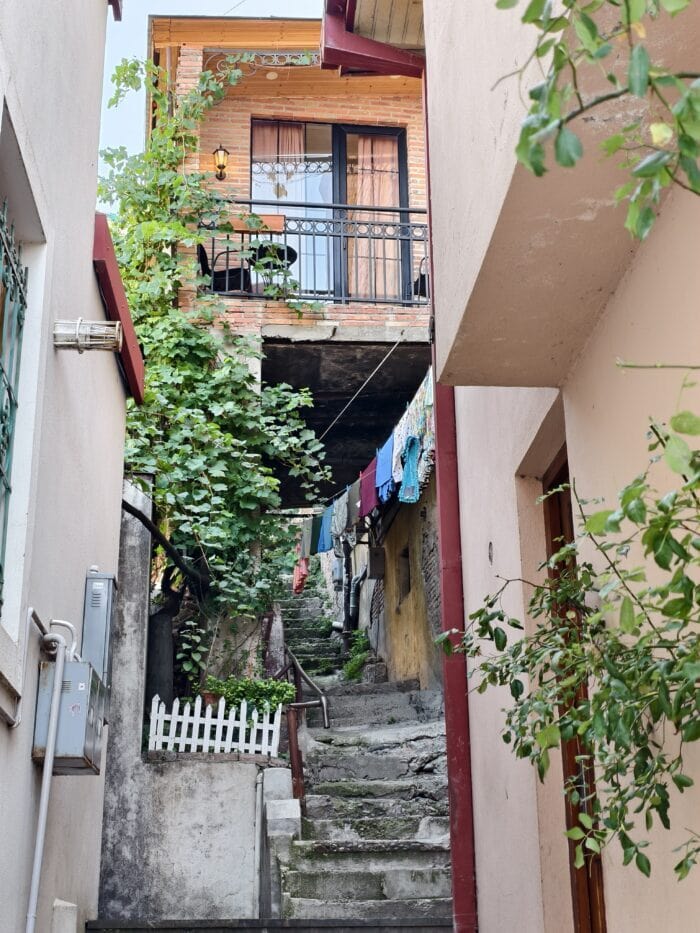
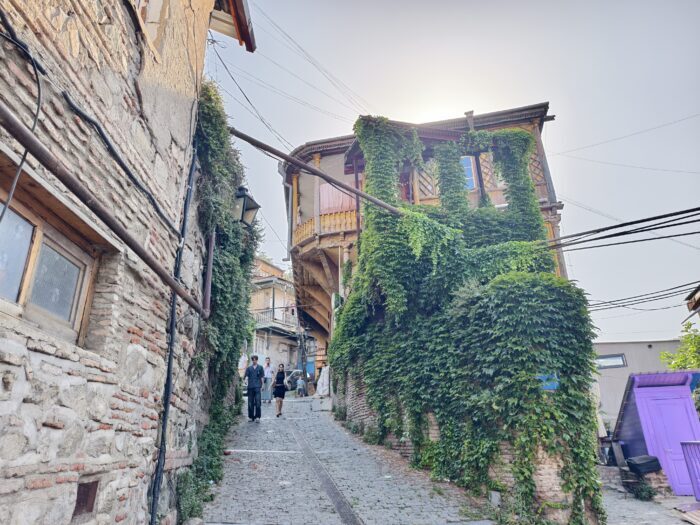
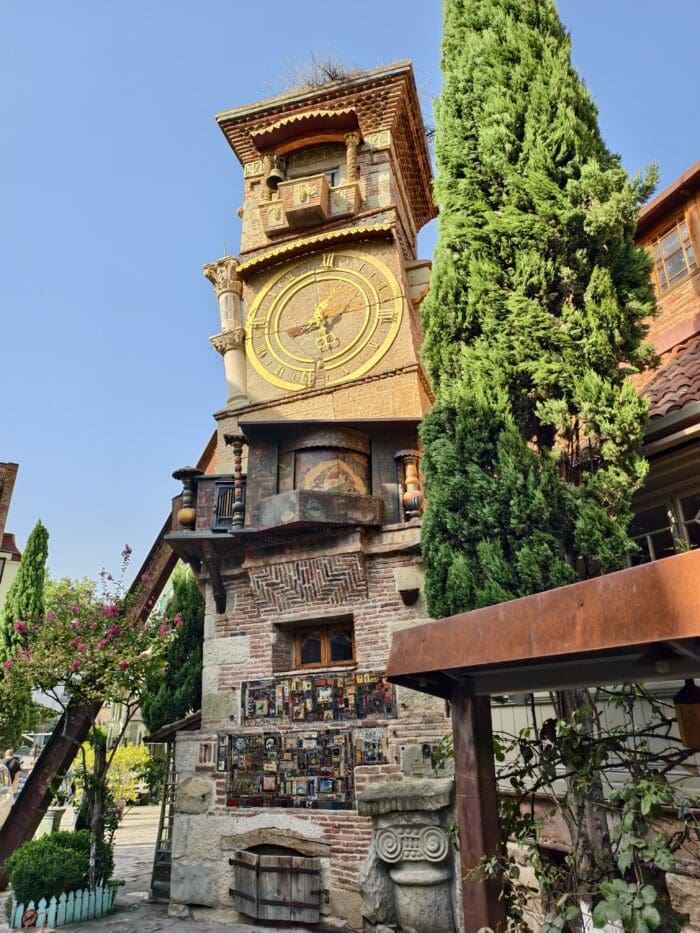
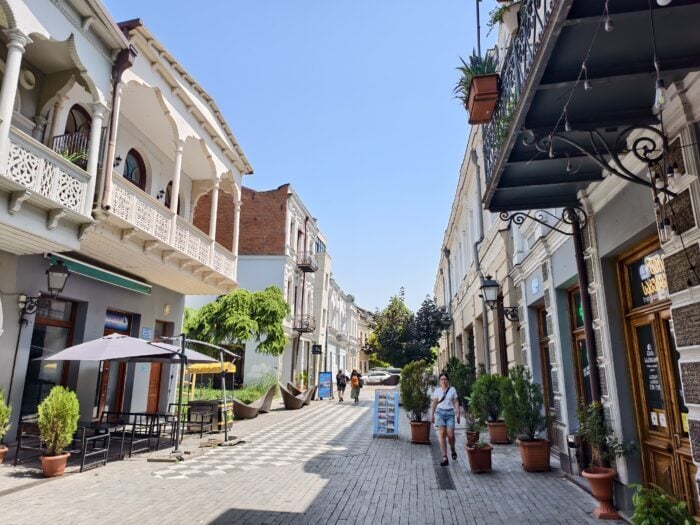
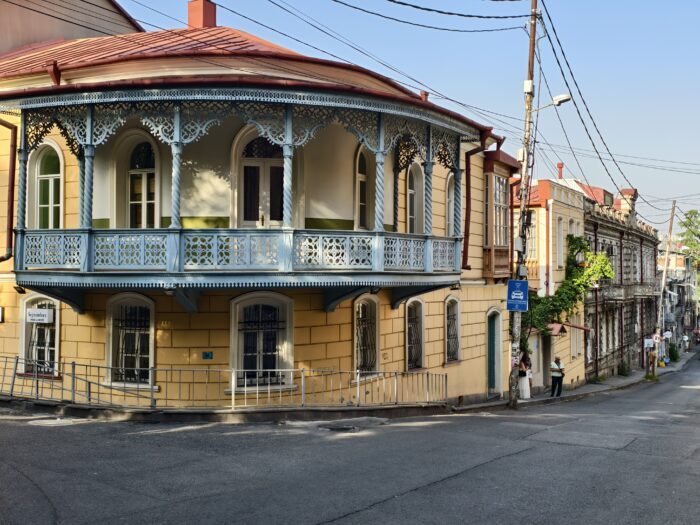
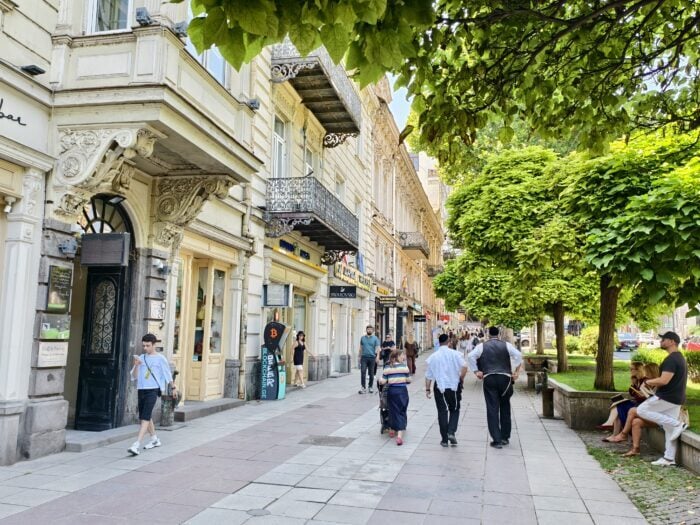
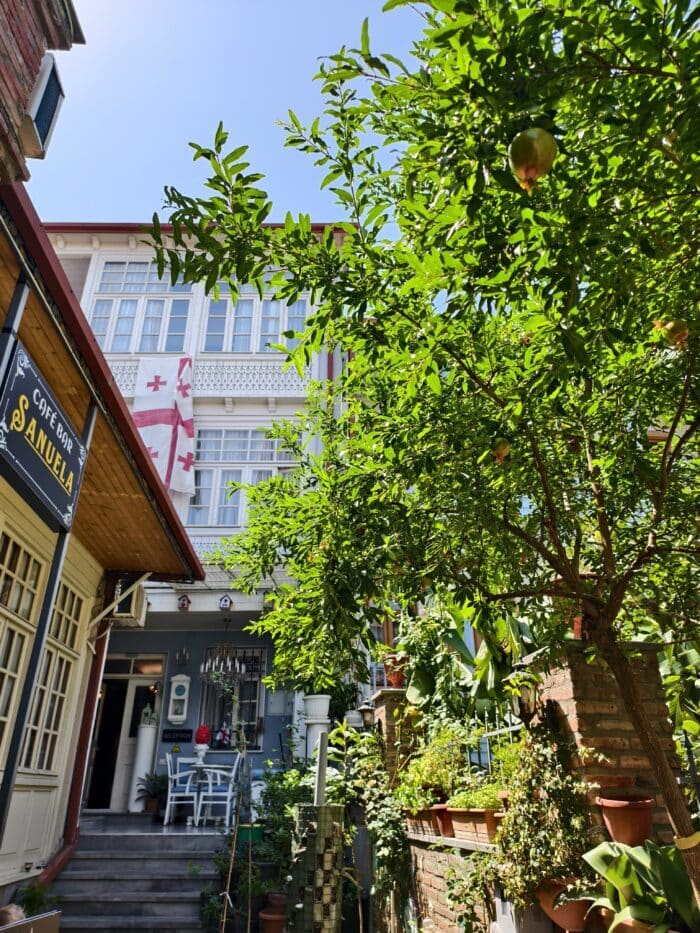
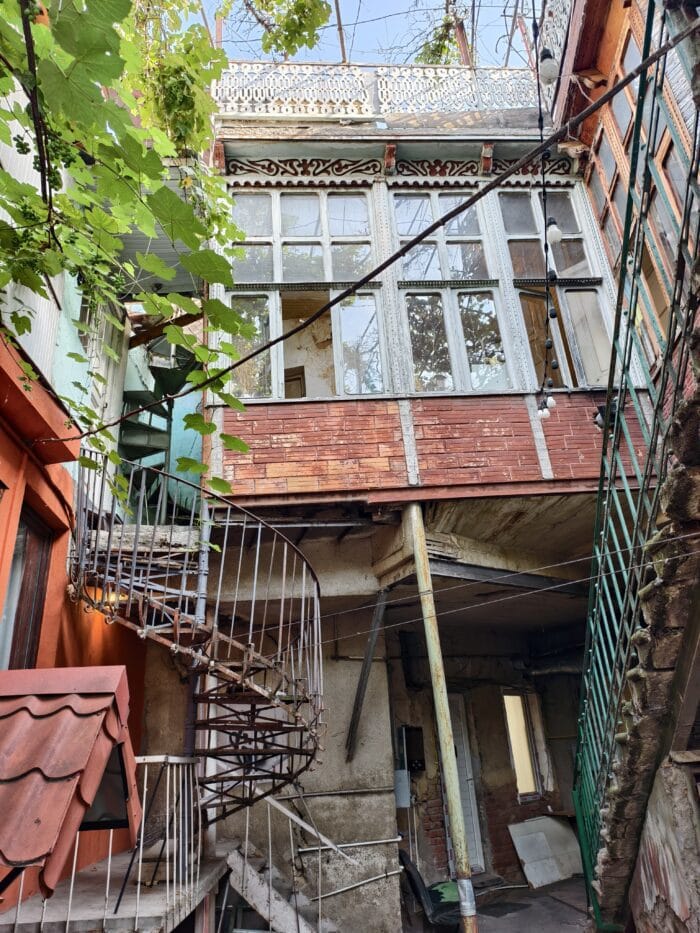
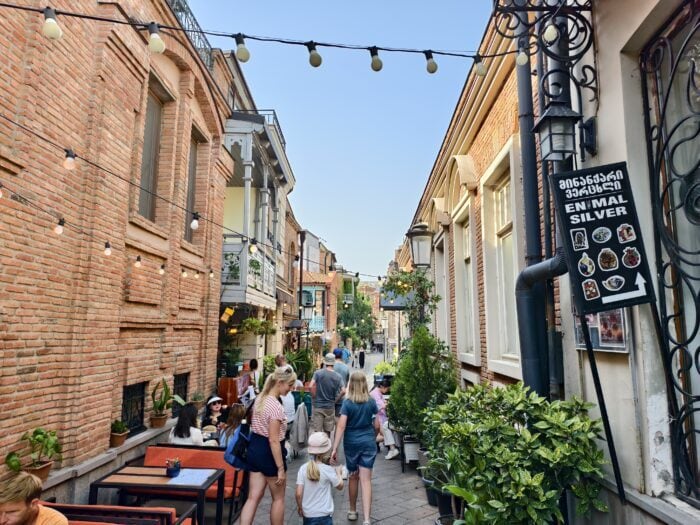
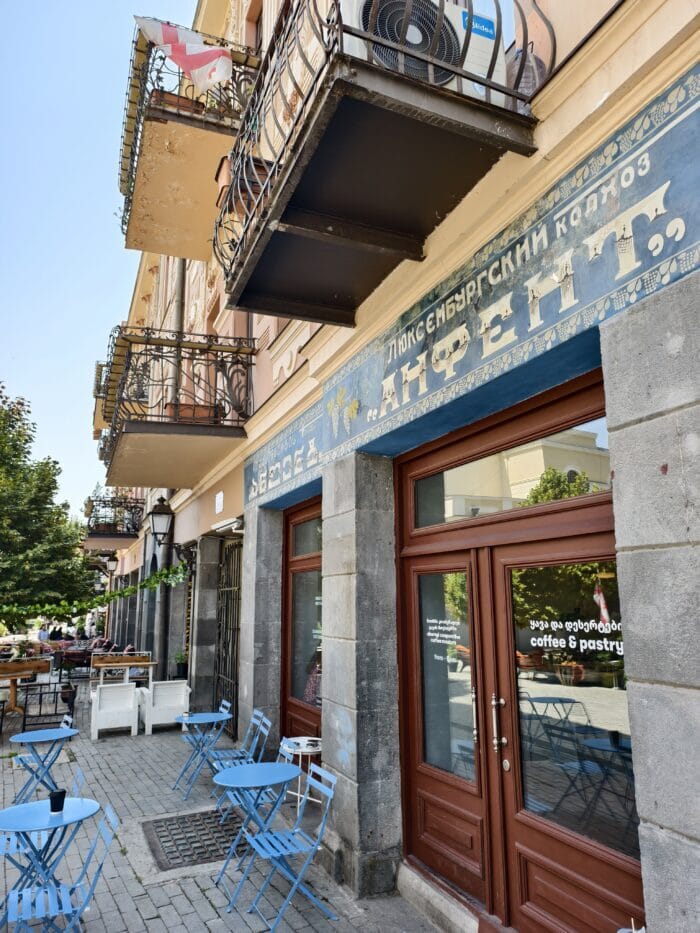
Most walkable, bustling touristic streets with cafes, wine houses, and bars are full of Imperial-time mansions and public buildings of the old Tiflis. A lot of merchant houses and official buildings belong to that era, and not all of them are in good shape.
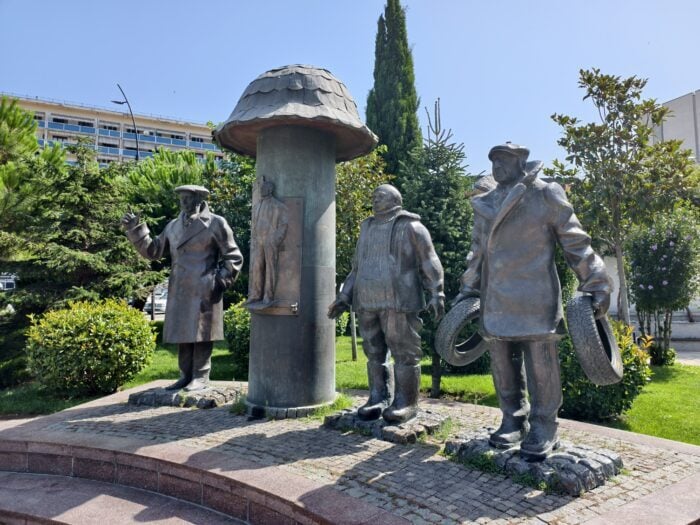
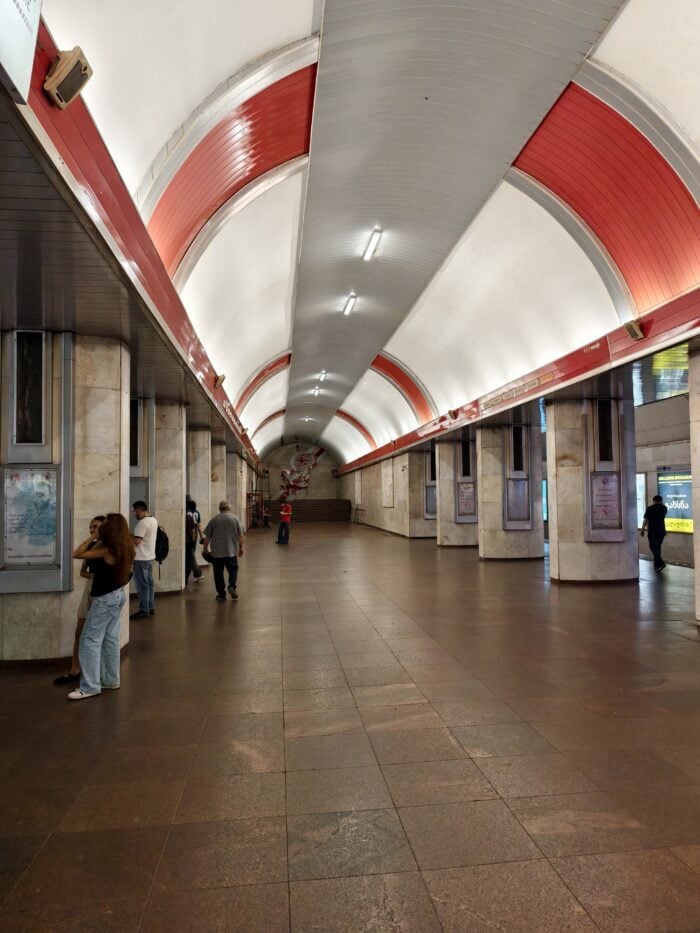
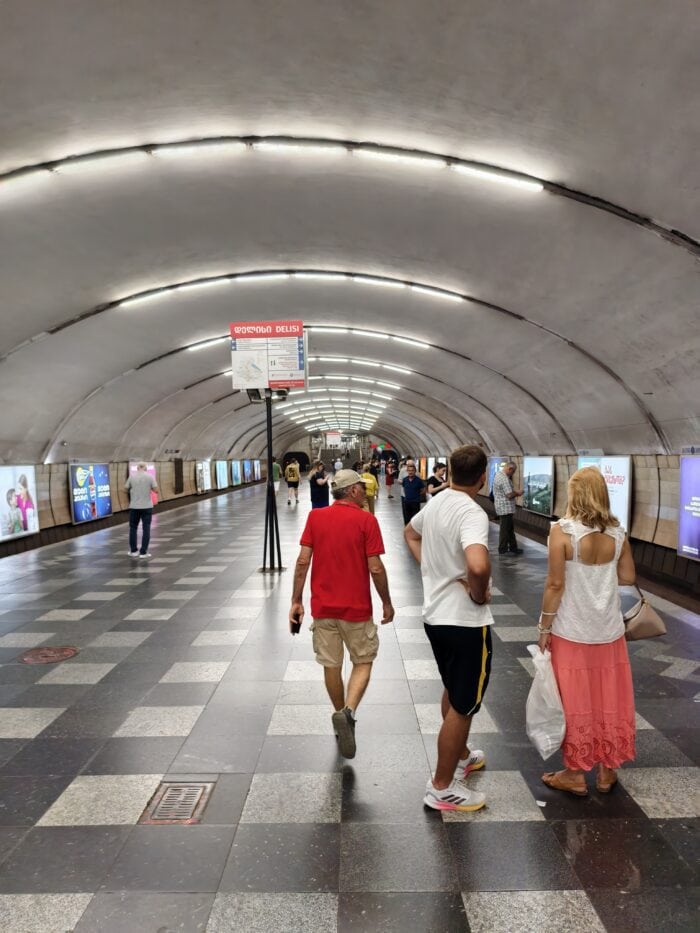
Another source of architectural marvels is the time when Tbilisi was the capital of Soviet Georgia. Broad avenues, constructivist houses, and almost identical apartment buildings are from that time as well at the metro. All the trains and almost all stations are Soviet or Russian-made, though they are very old models.
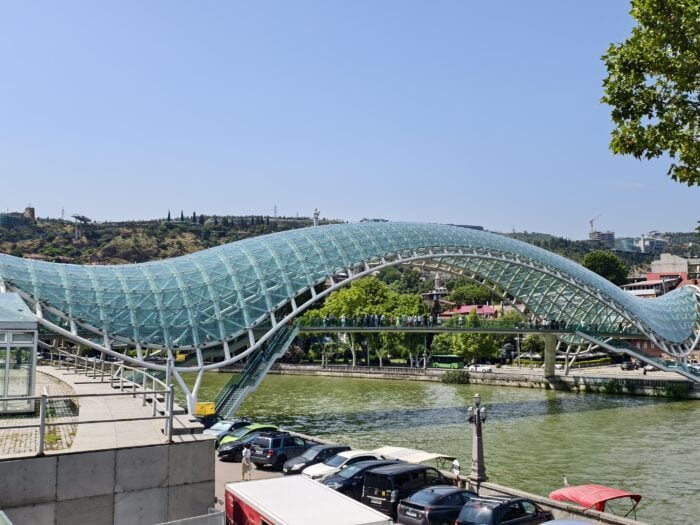
The modern Tbilisi has some new-age masterpieces like the Arch Bridge of Peace, though such landmarks are rare in comparison to the heritage.
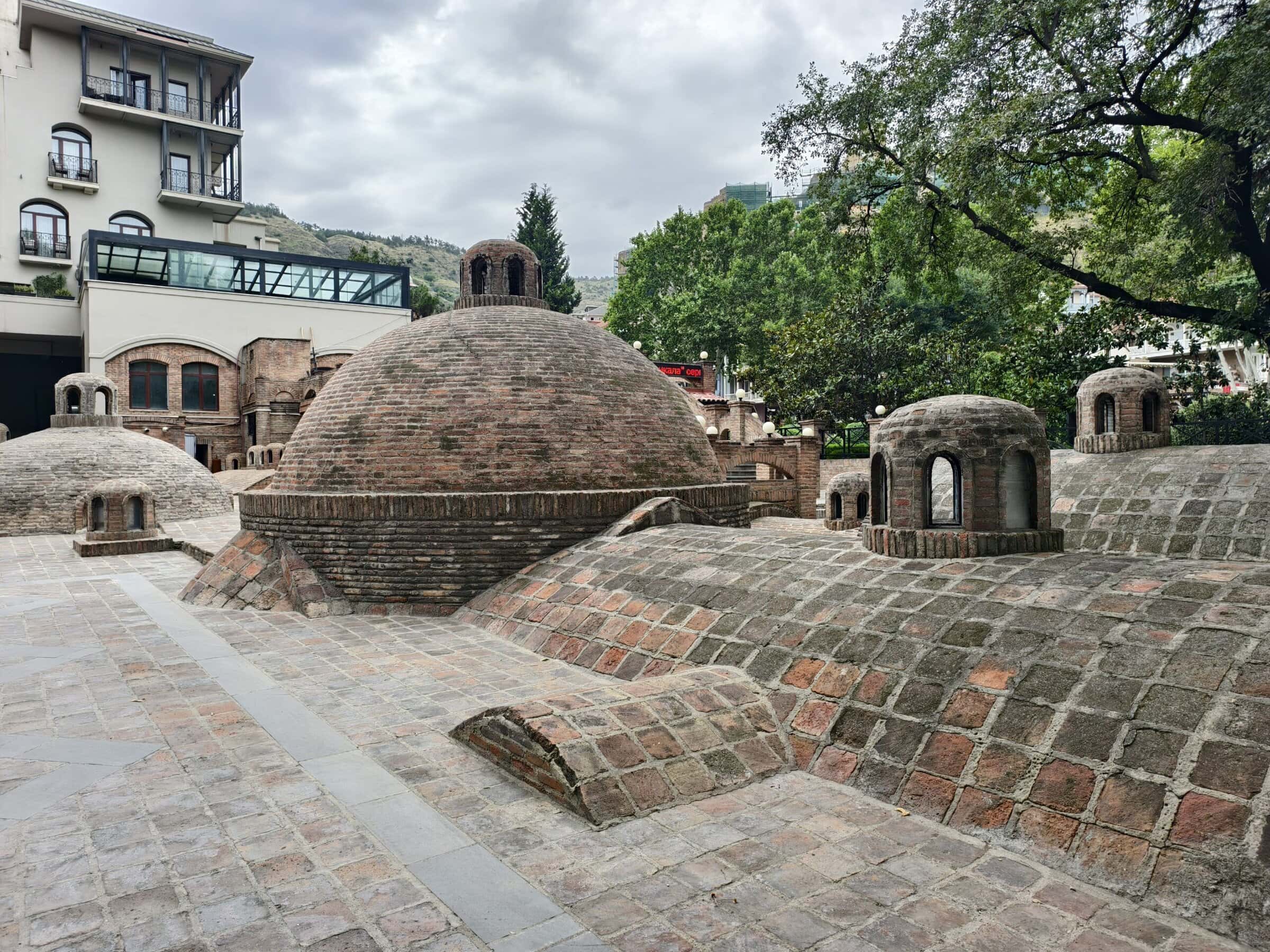
Tbilisi has natural spa resorts right in the centre of the city in the bath district of Abanotubani. This reminds Budapest with its own thermal bath resorts.
Vandalism and Dilapidation
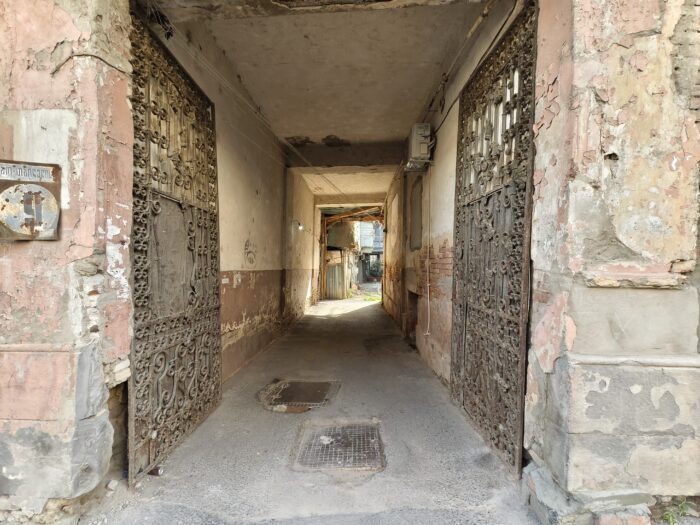
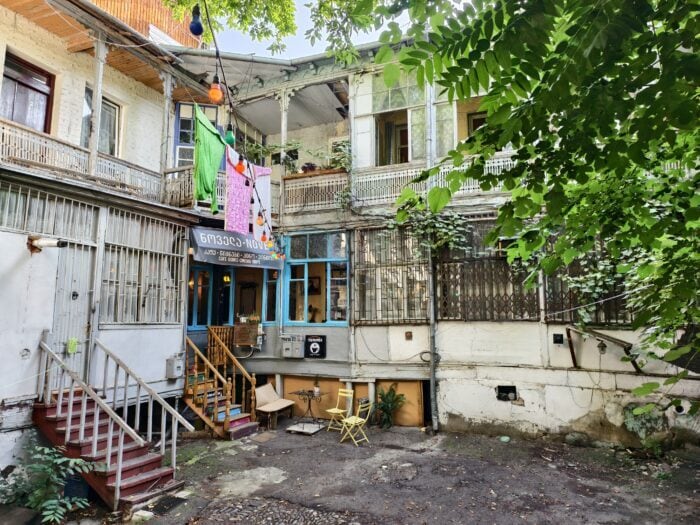
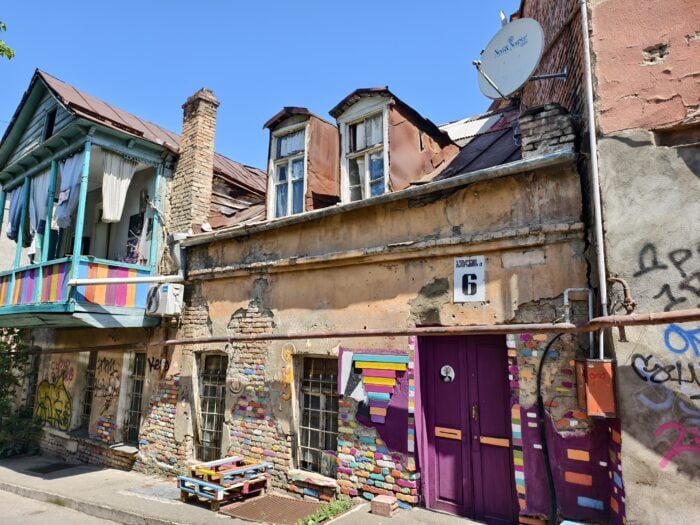
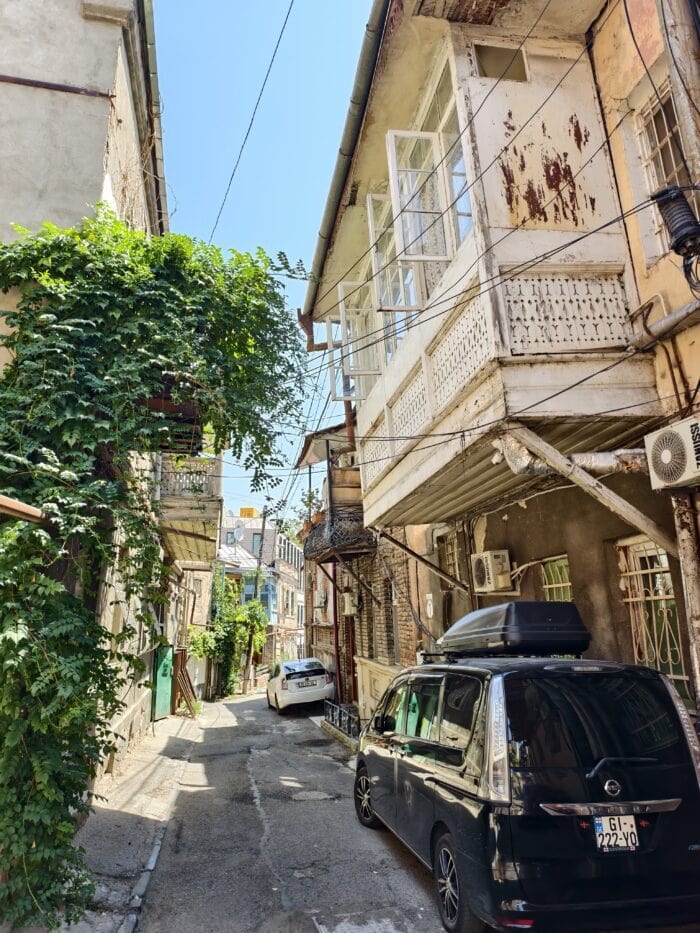
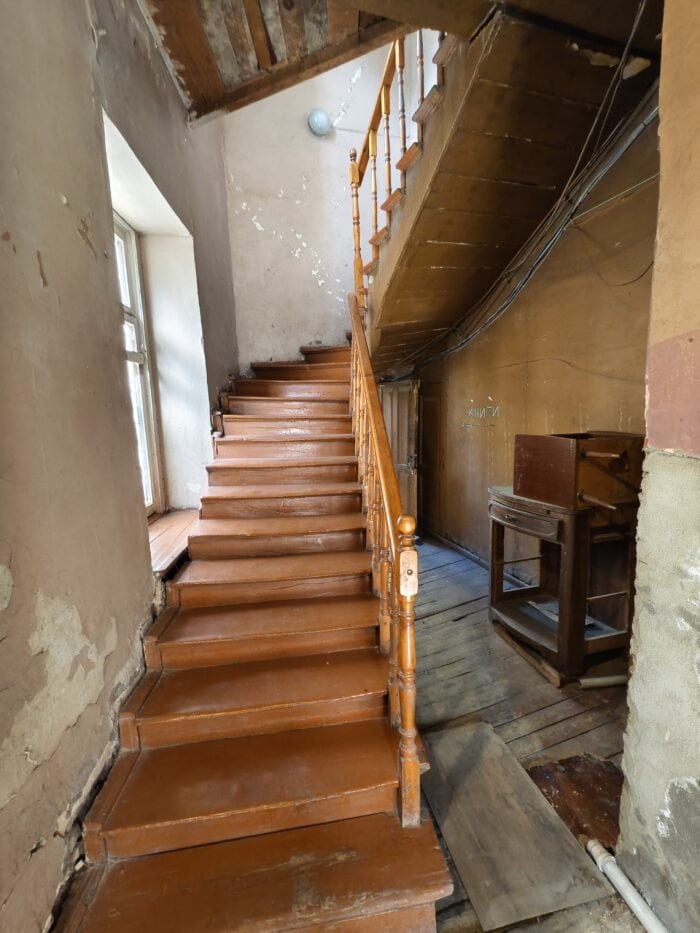
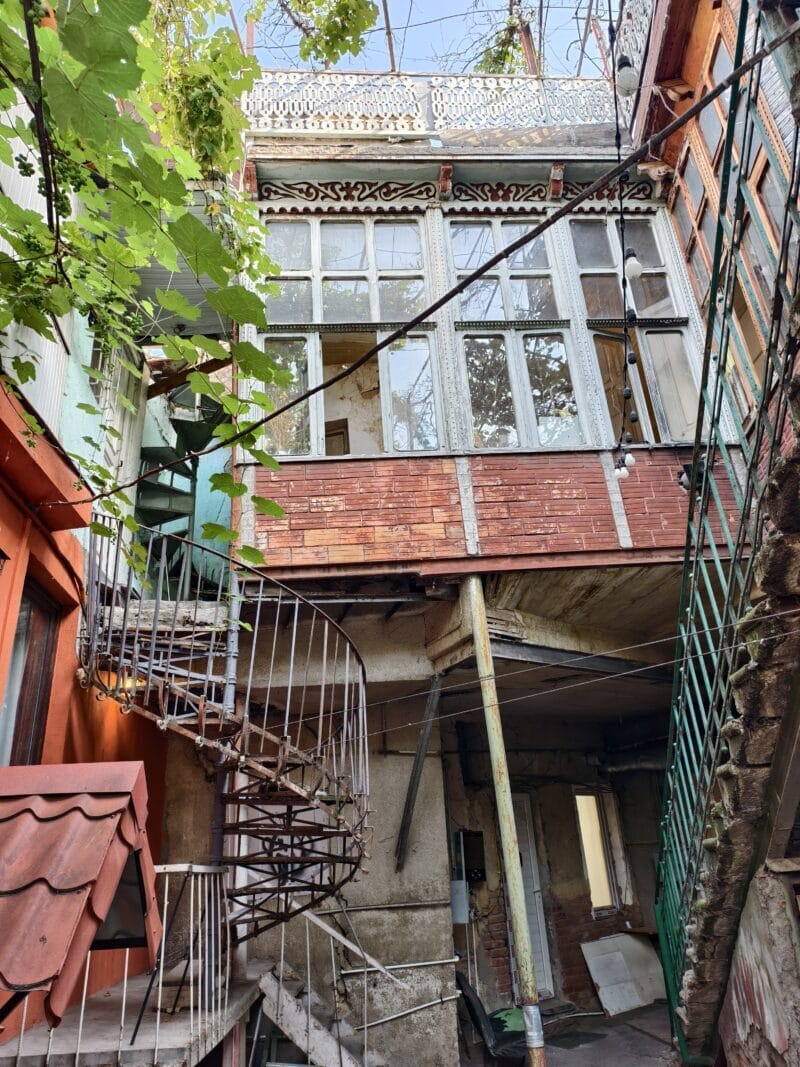
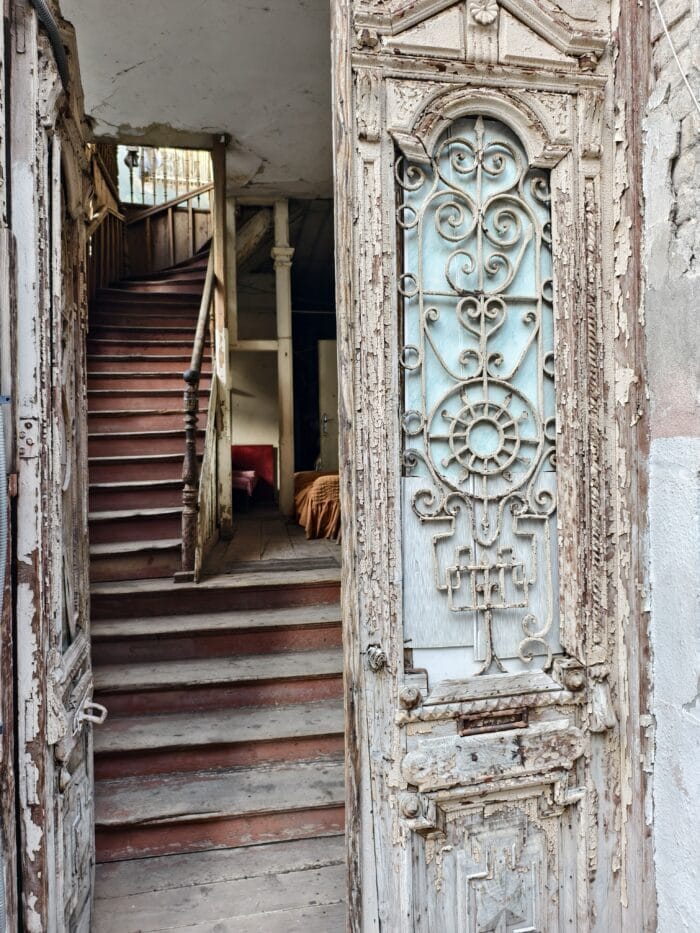
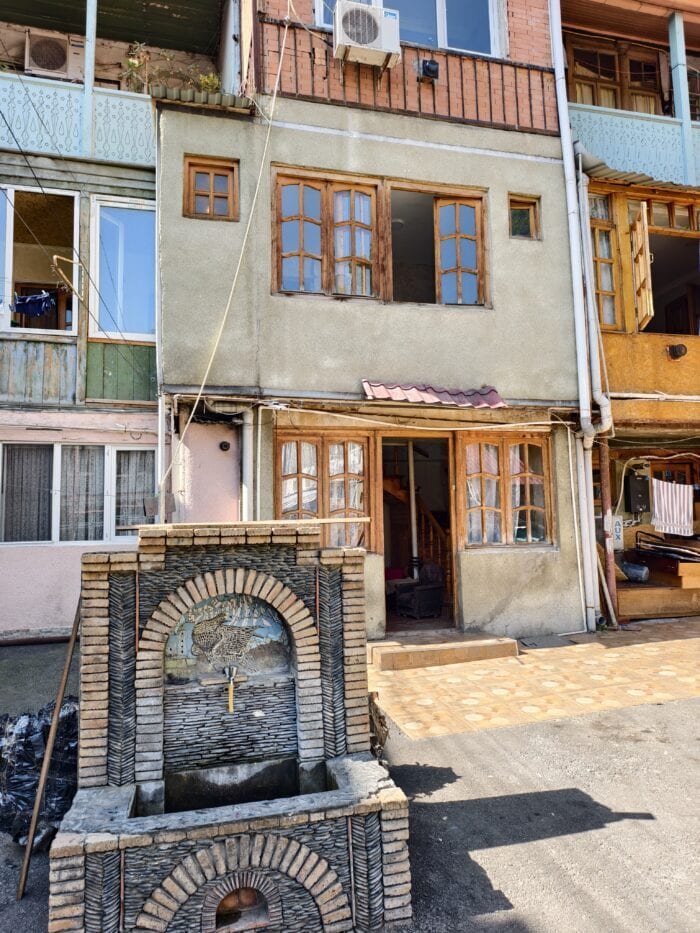
It’s visible that the city is hard to maintain. The heritage is too rich for such a poor country, and the help from international organizations is obviously not enough. Luxurious mansions are crumbling, some of them in ruins already. Now and then you see that some balconies just fell down, even hurting people. This doesn’t happen too often, but still it happens right in the downtown. Walls in the center are completely vandalized, covered with tags and political slogans.
Graffiti
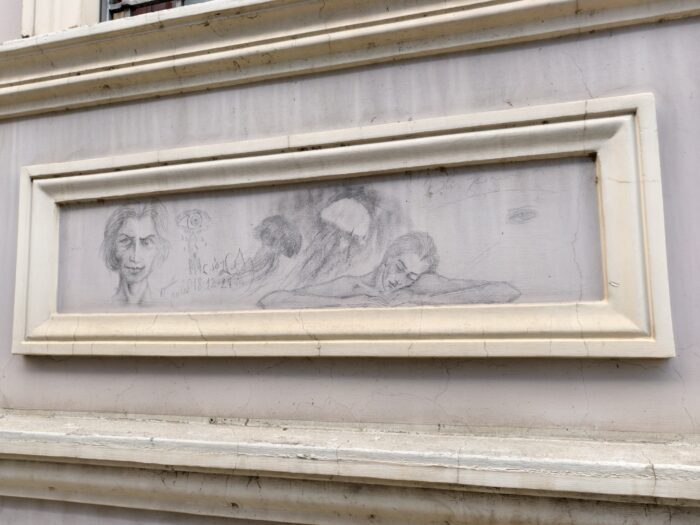
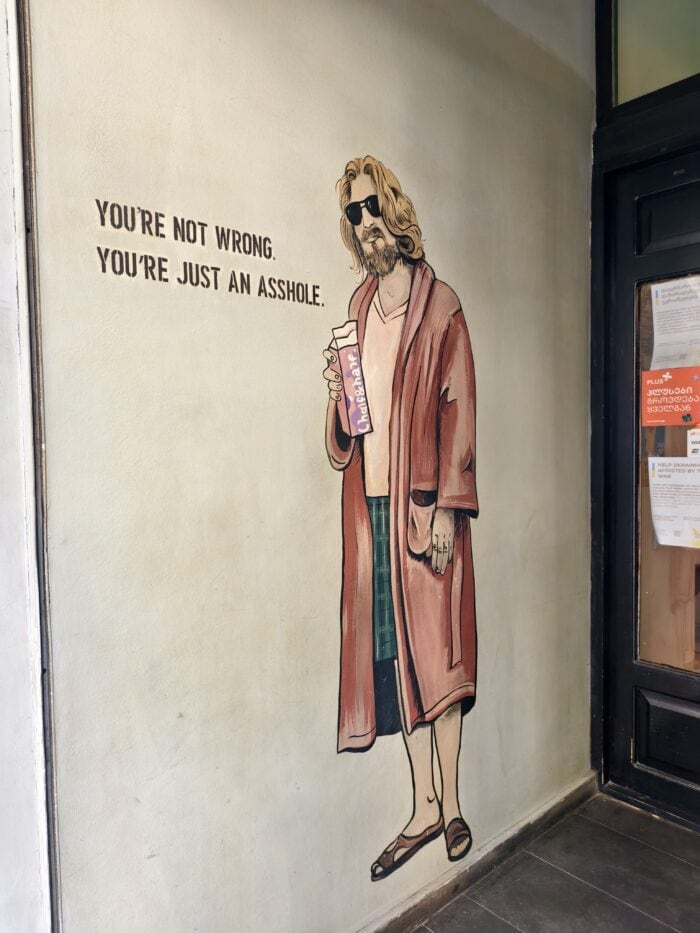
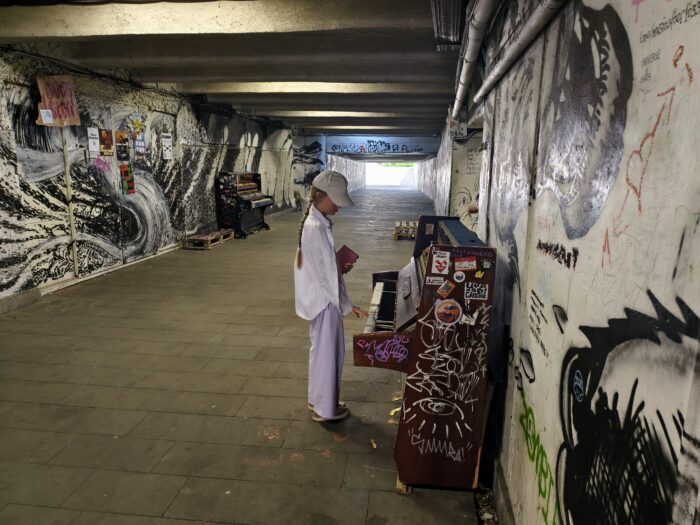
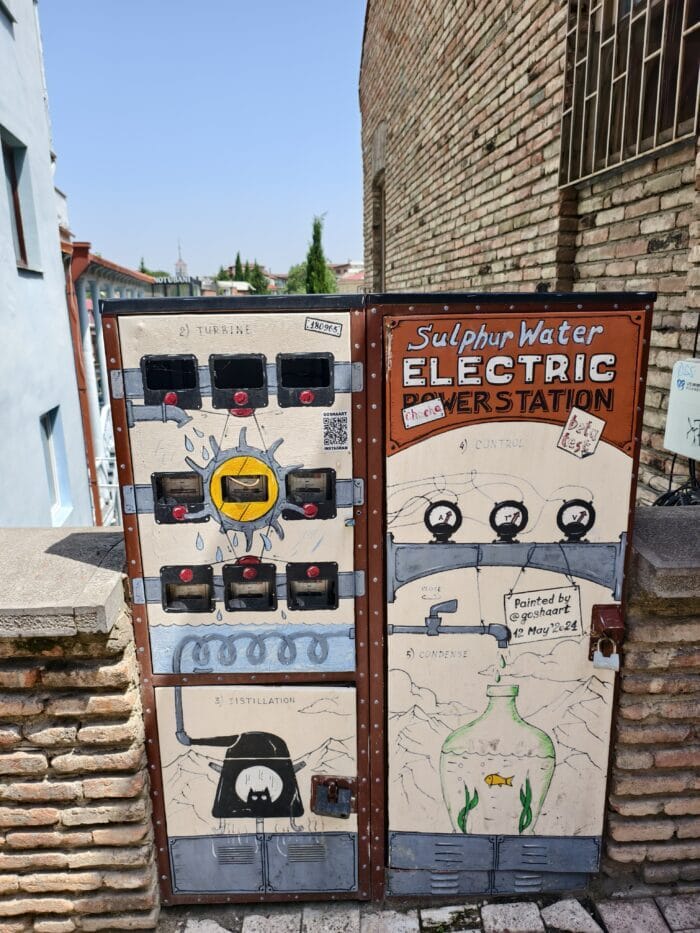
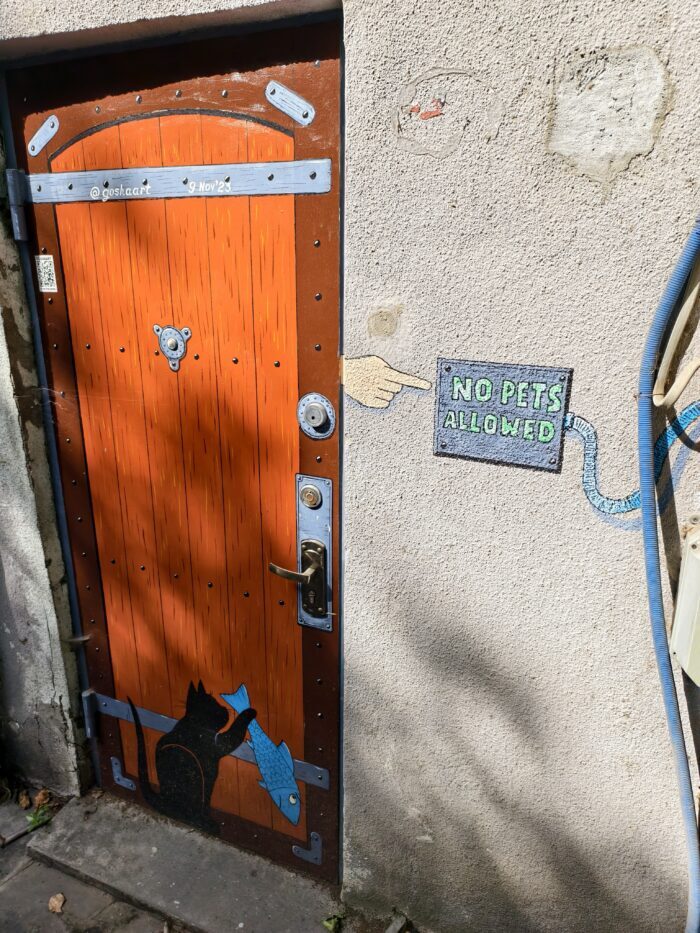
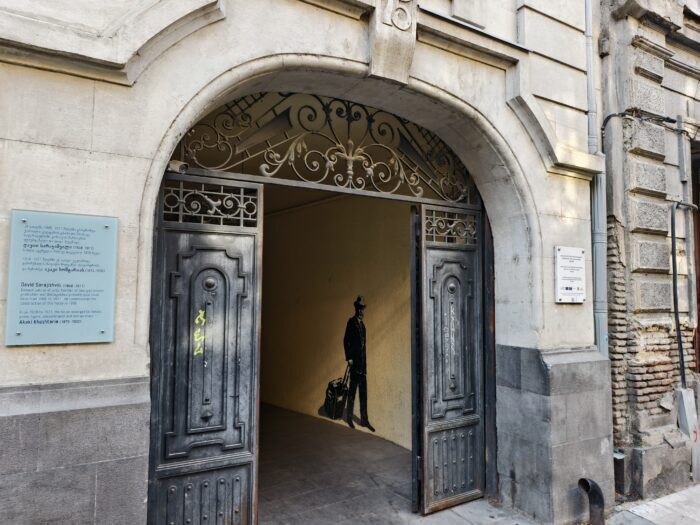
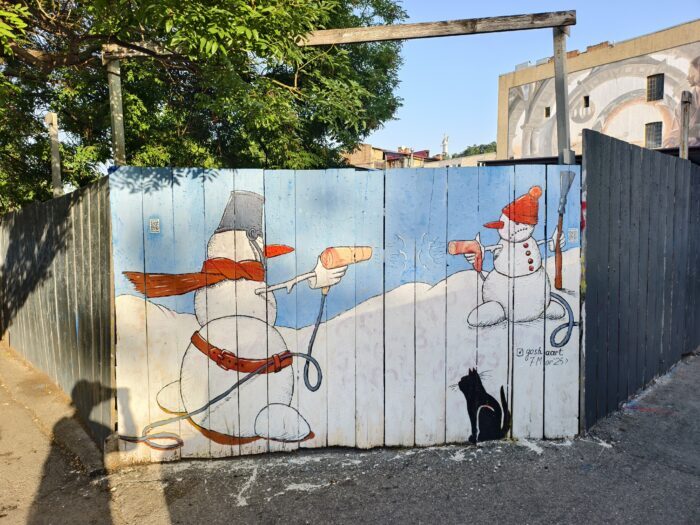
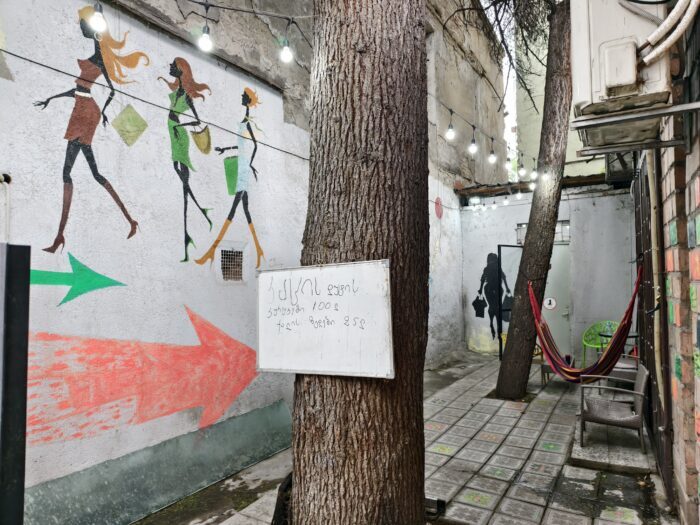
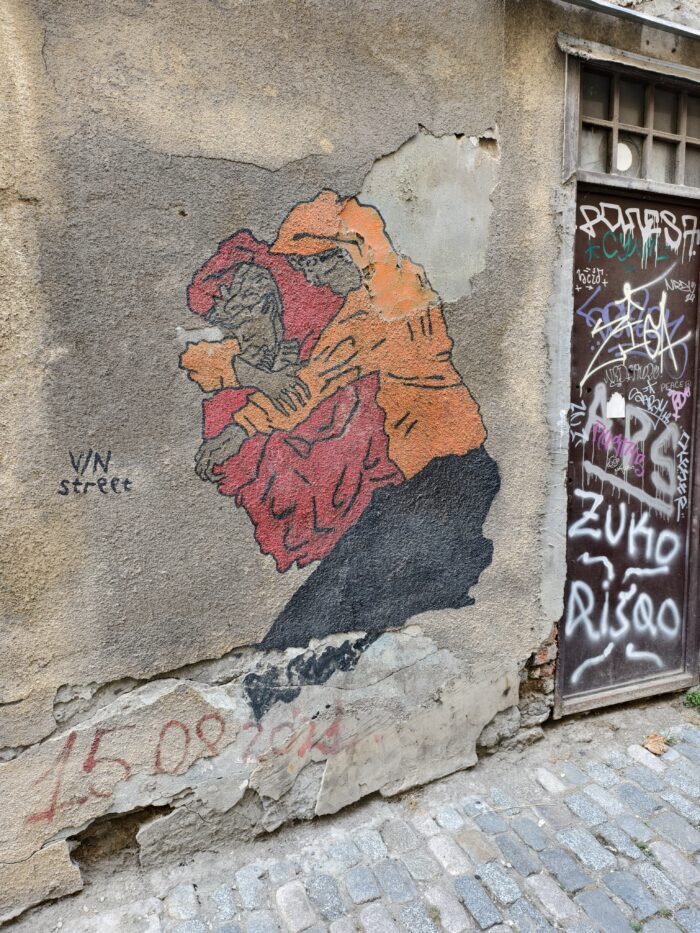
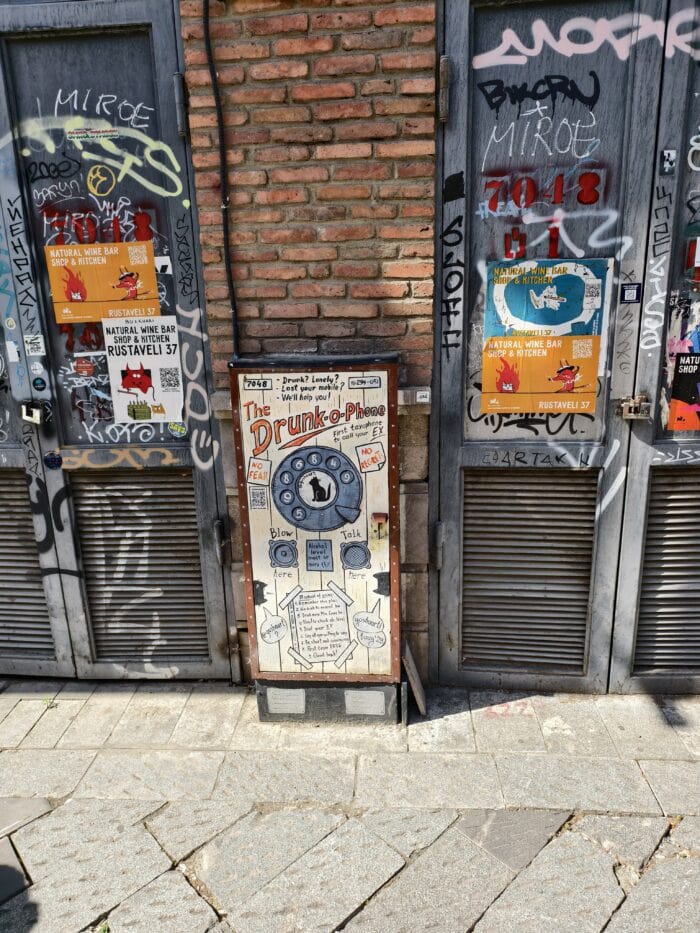
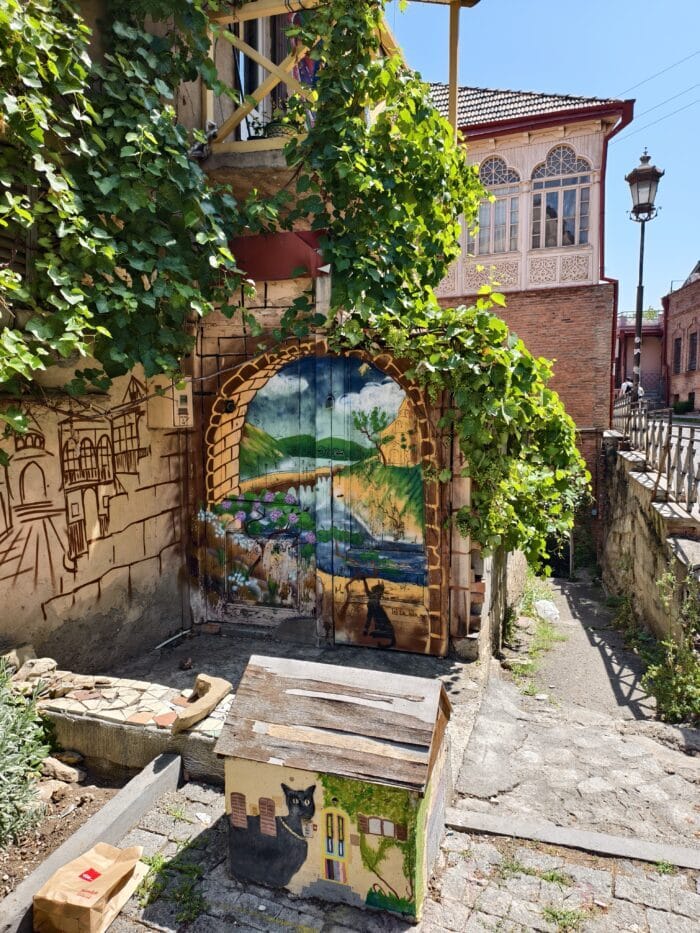
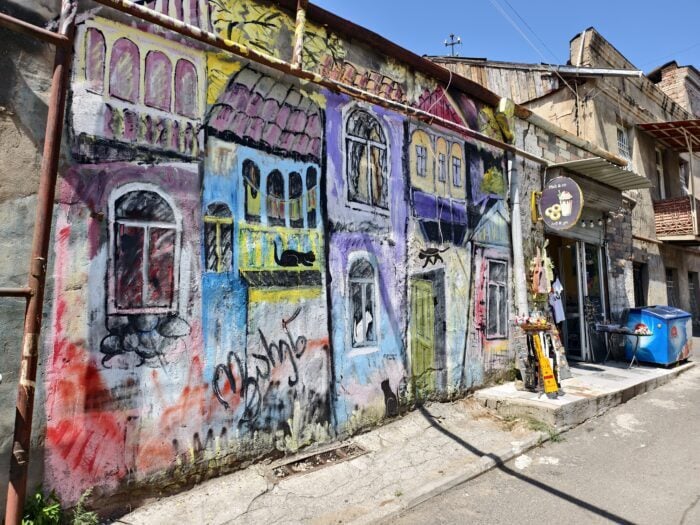
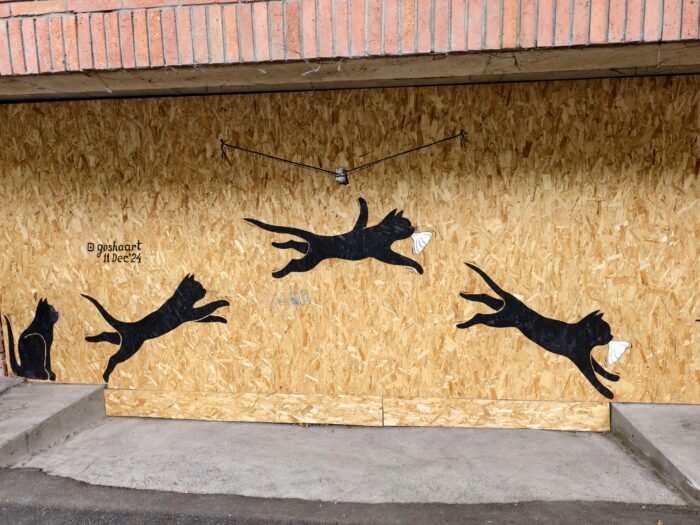
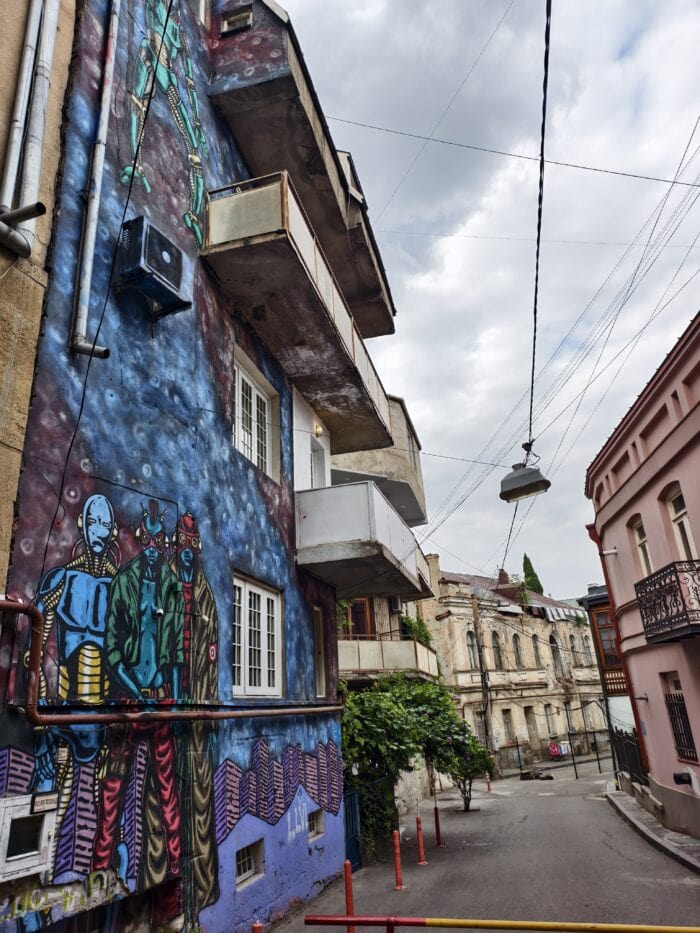
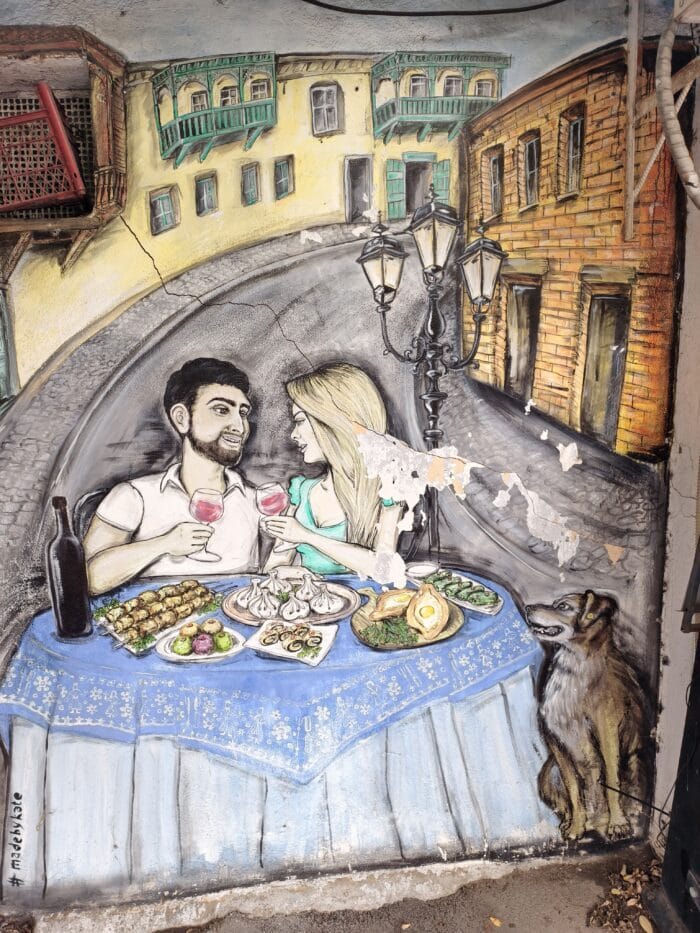
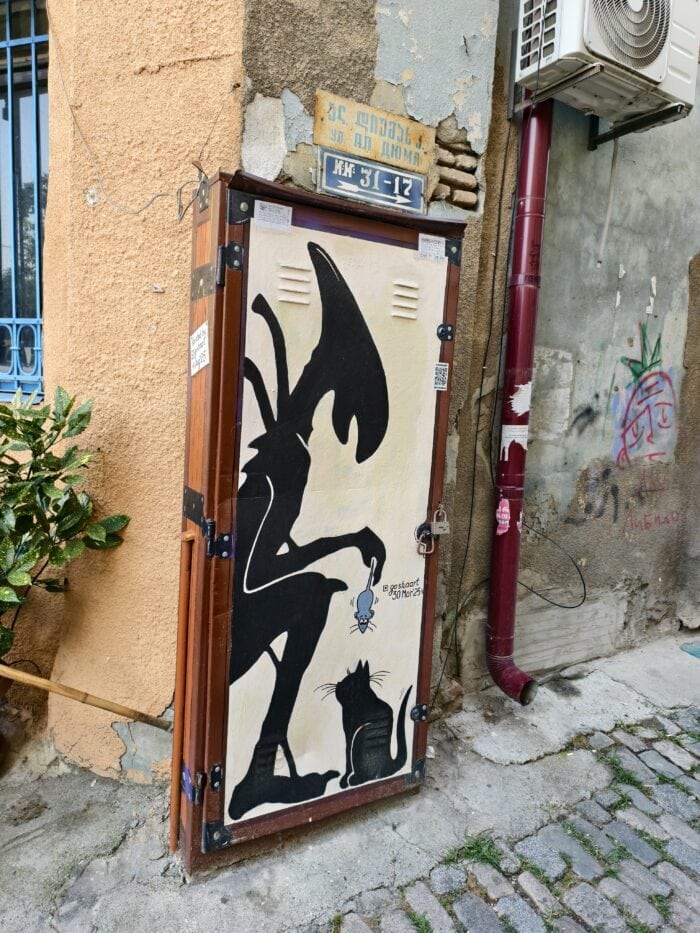
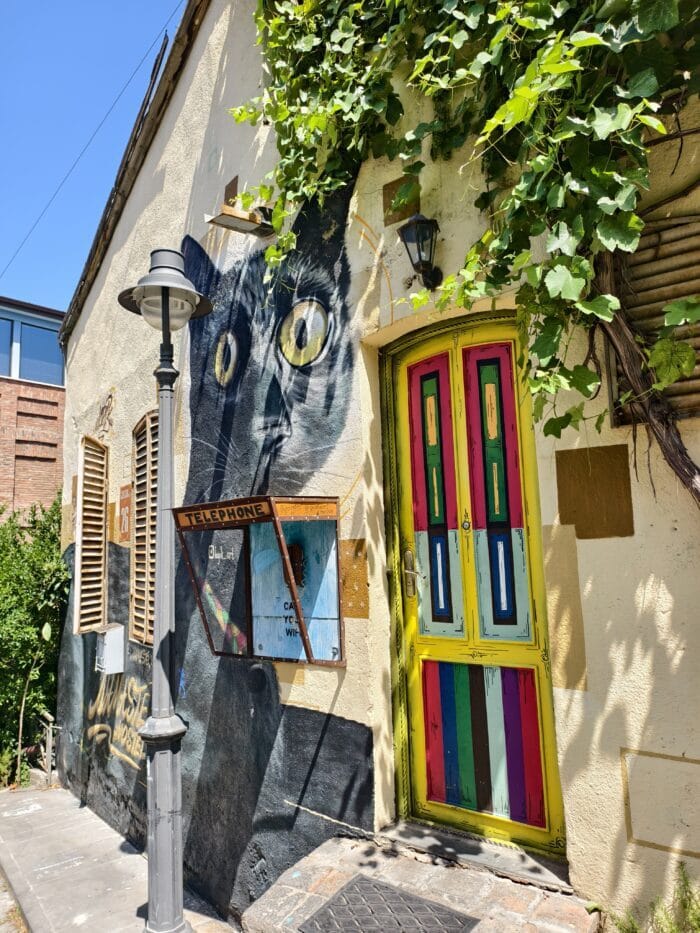
Apart from those vandal tags, there are artistic graffitis. A lot of them belong to Gosha art @goshaart, but not all. The graffitis are so numerous that you can organize city tours only for exploring them. Most of them are humorous and cozy, creating a very pleasing atmosphere.
Pro-European and Anti-Russian Fanaticism
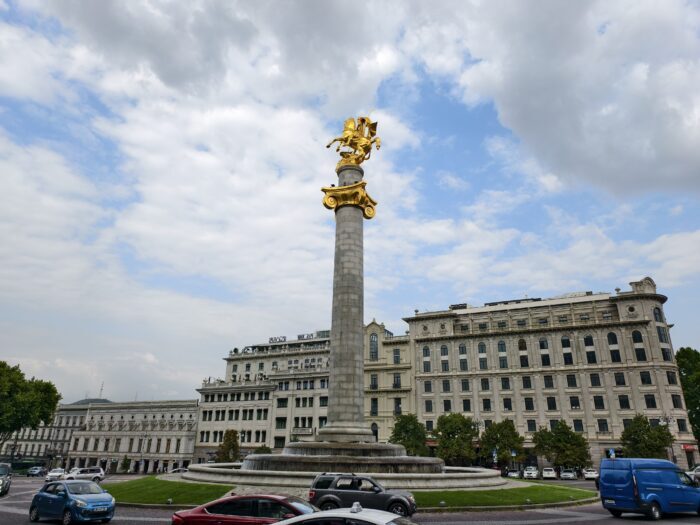
Tbilisi is full of pro-European slogans, and the number of the EU flags is hardly less than the number of those of Georgia. “Tbilisi is the capital of the EU” – says one of the slogans. The main city square is called Europe Square. However, there are plenty of tourists from Europe (some of them visiting for playing in casinos, which are legal in the country), most of the foreign tourists are Russians, and sometimes it’s just pretty strange to observe a bad attitude towards Russian tourists while still welcoming them. An example of that is a menu in Russian with the stuff pretending not to speak the language, but after switching to English (in which, in some cases, they are not fluent enough), they themselves offer to speak Russian all of a sudden.
Religion
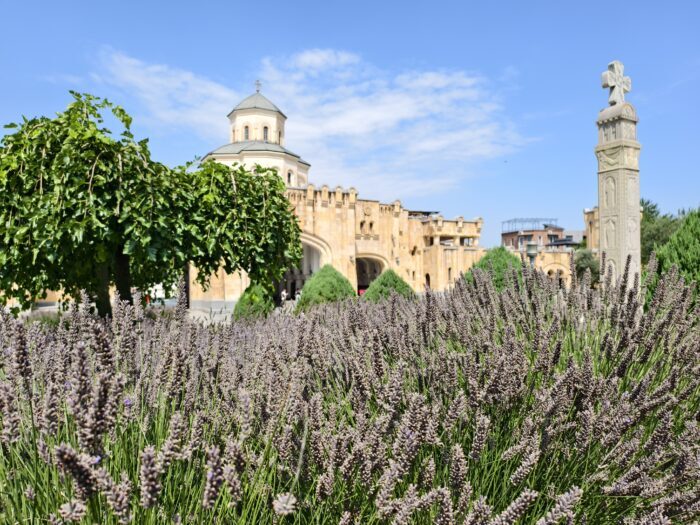
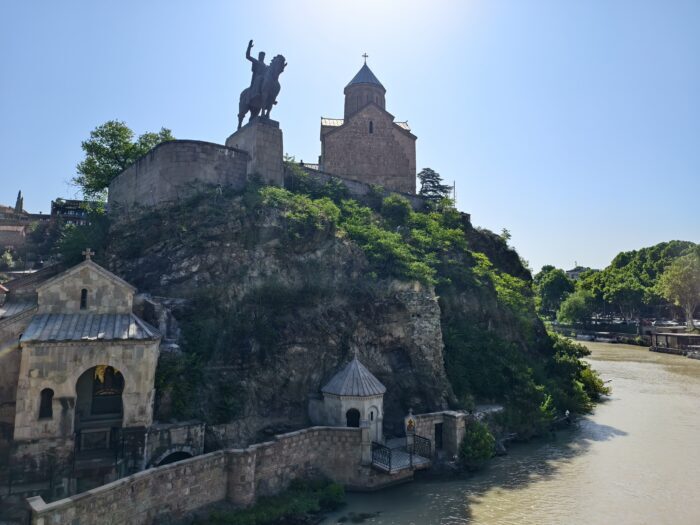
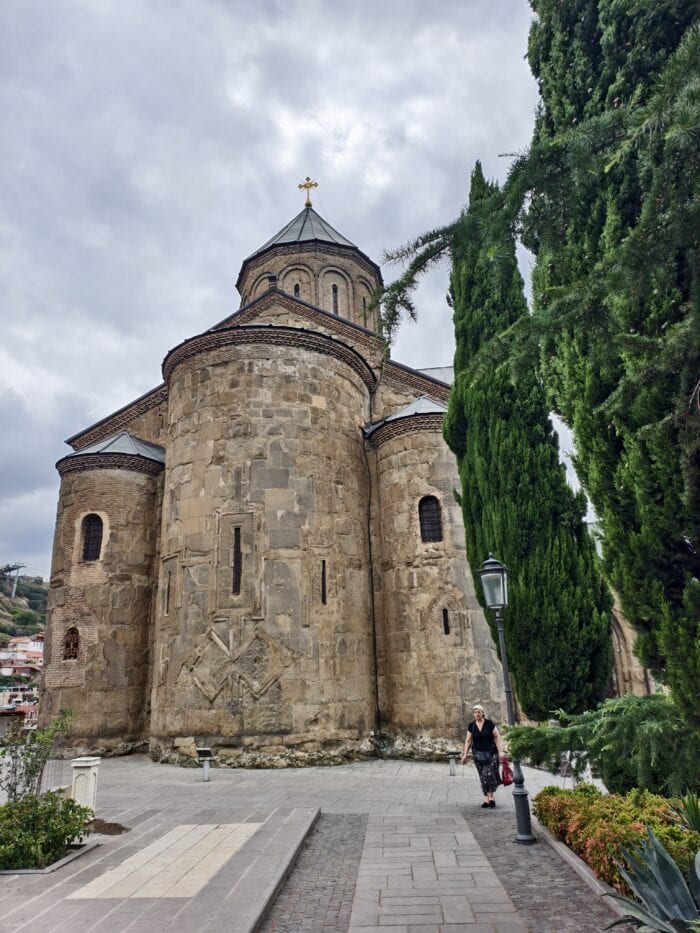
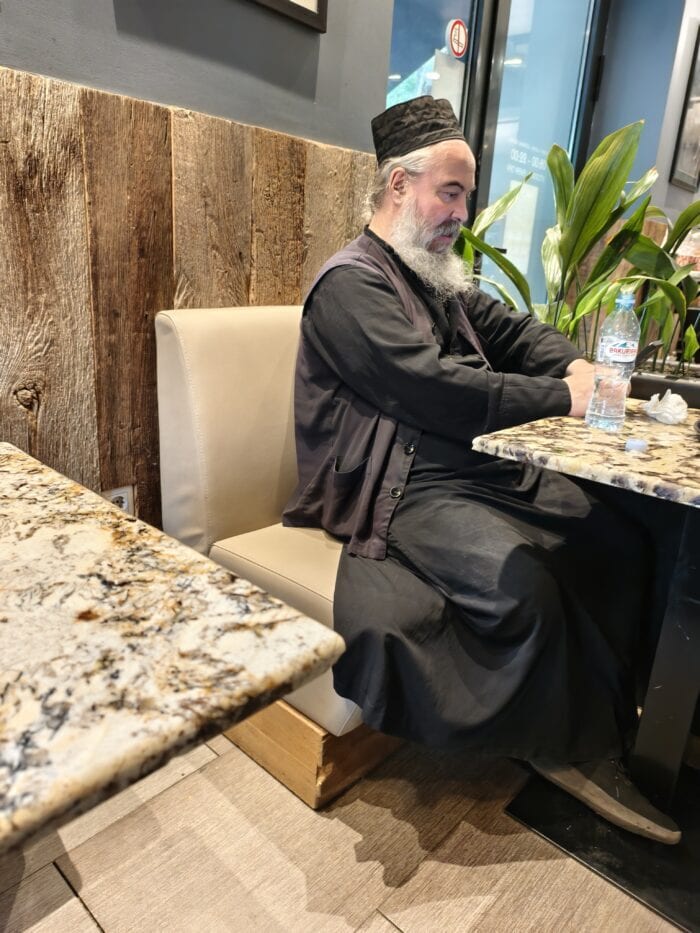
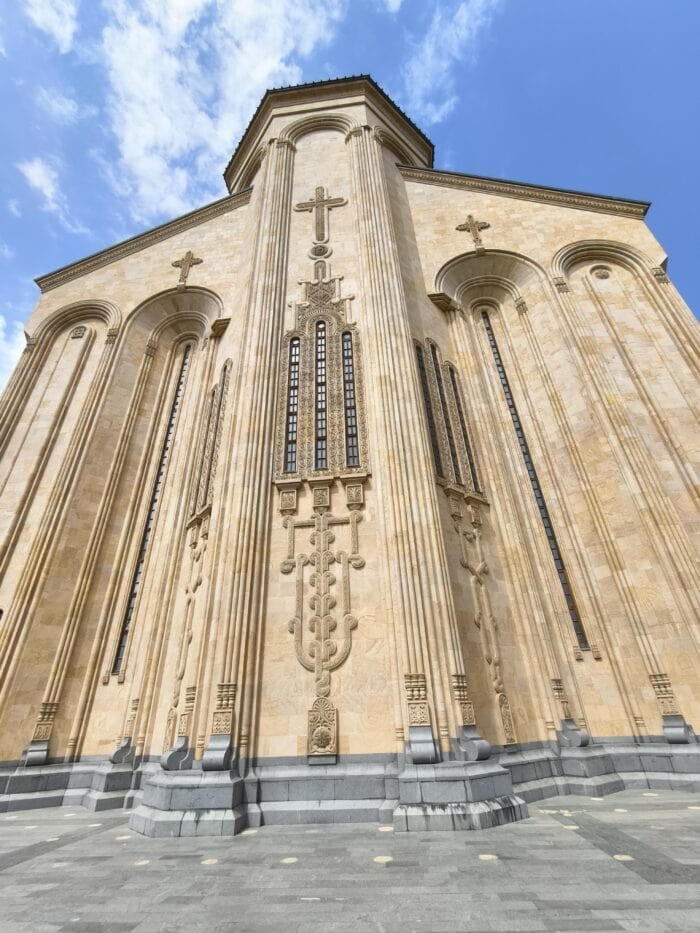
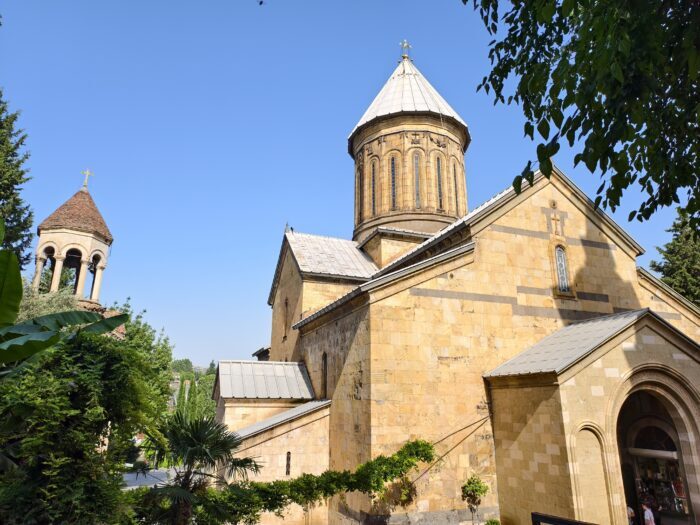
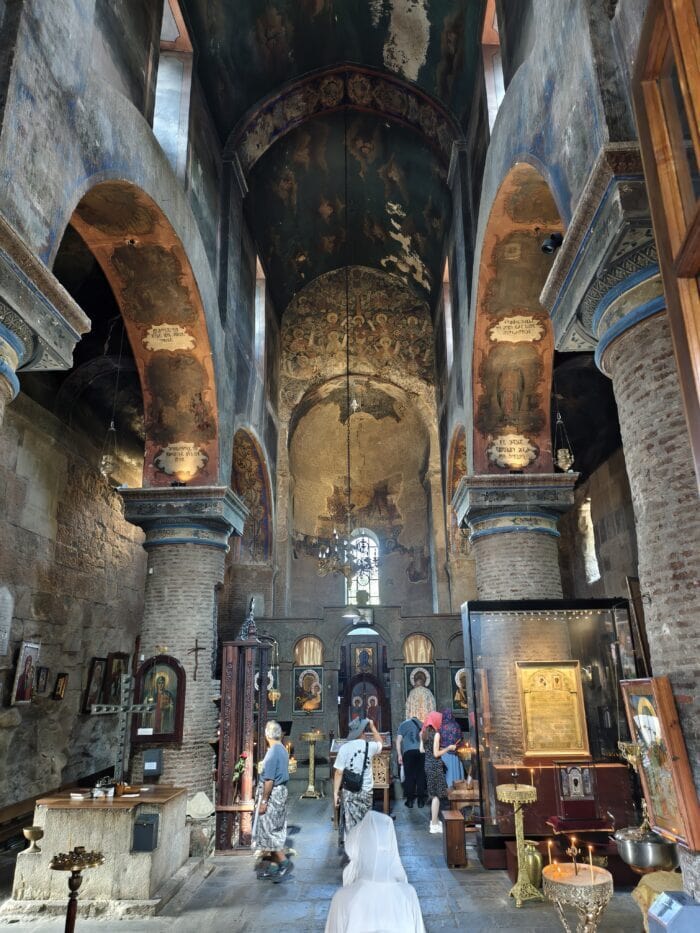
The presence of the Christian Orthodox Church is visible. There are plenty of churches and cathedrals all around the city. Some of them are ancient, while still a lot were built recently, including major ones. On top of the Georgian ones, there are many Armenian churches, which are quite different from the “main” Orthodox ones.
Bar Culture
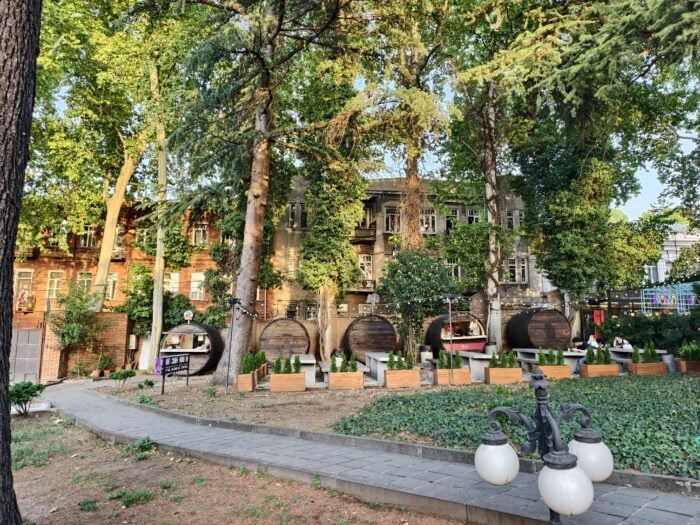
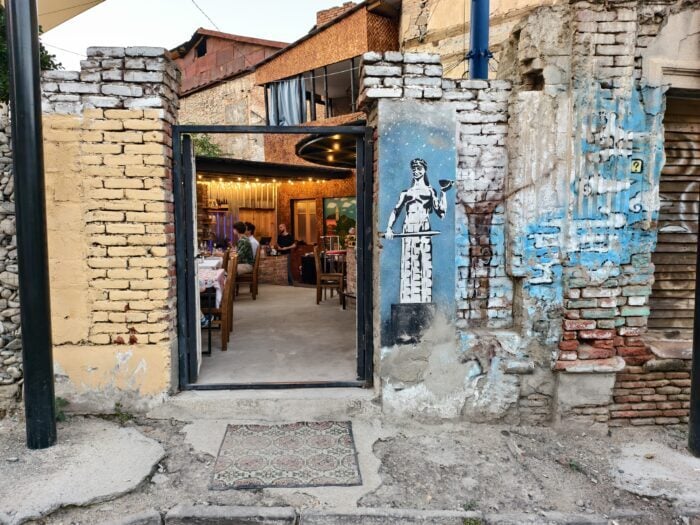
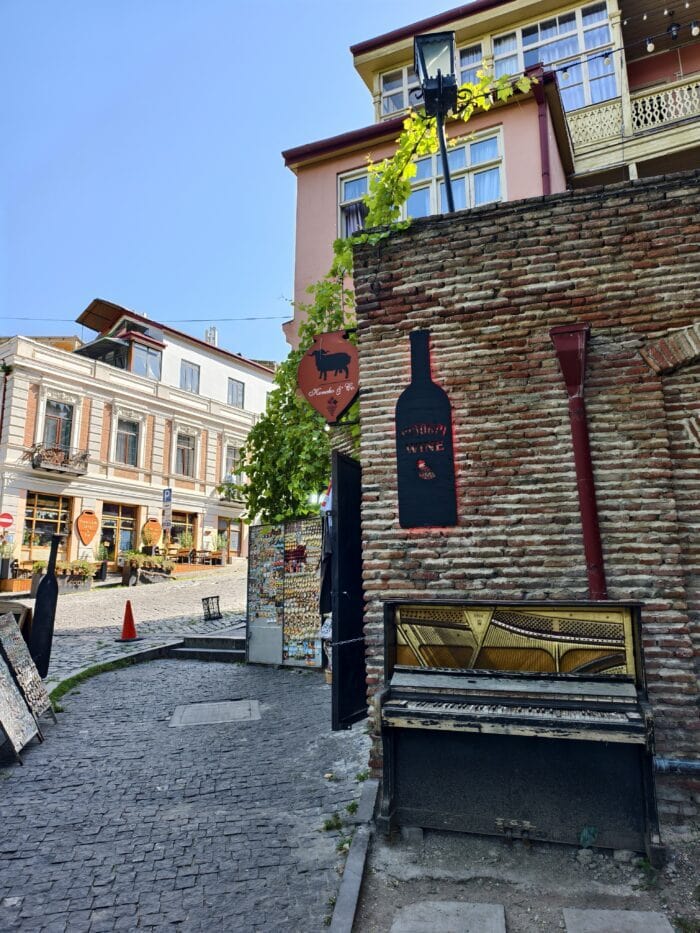
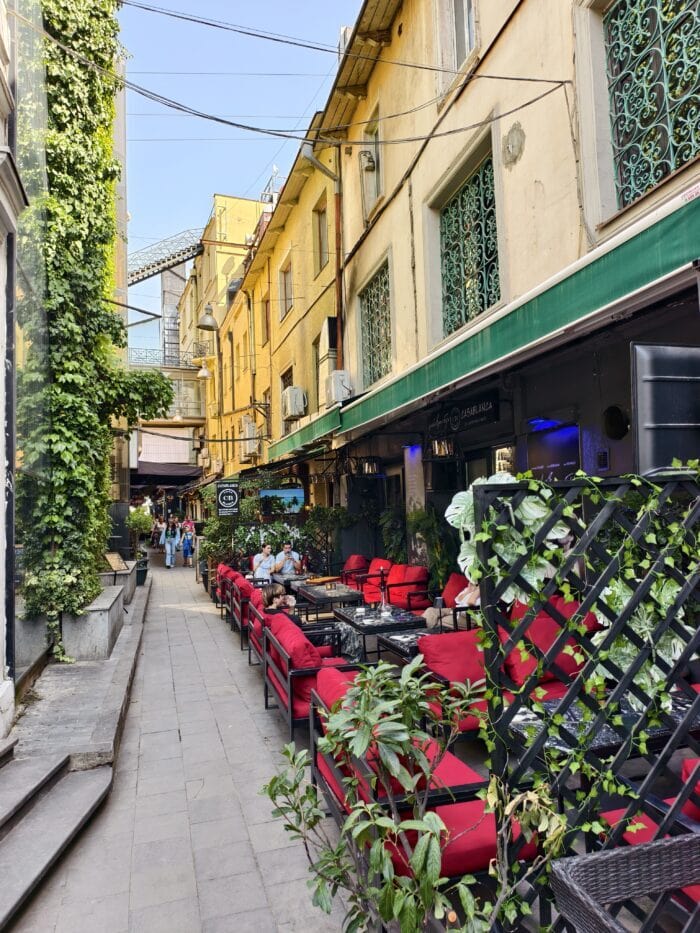
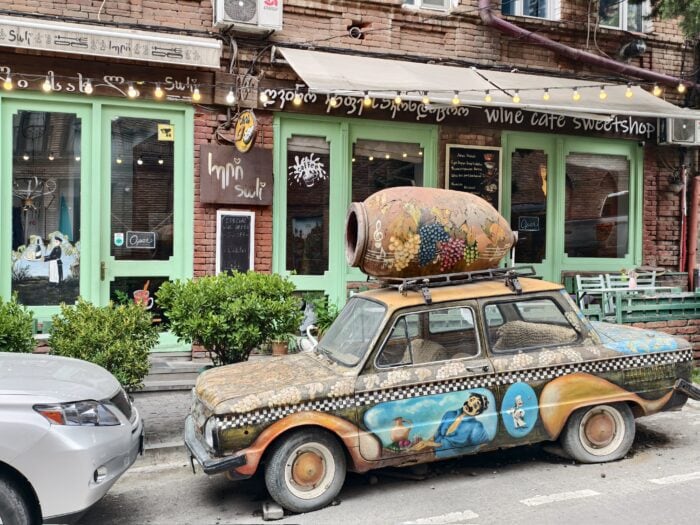
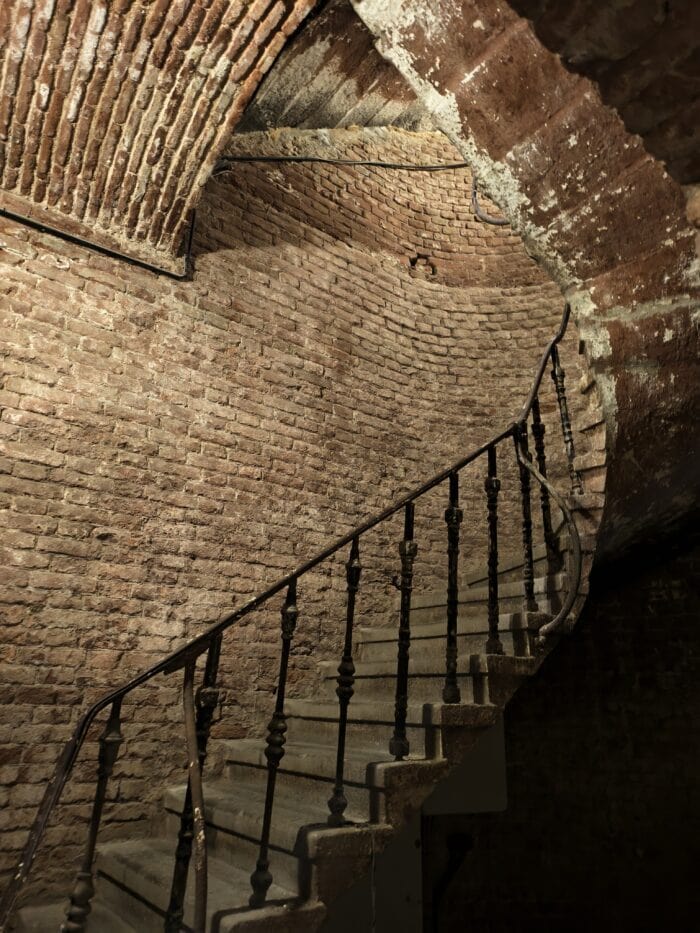
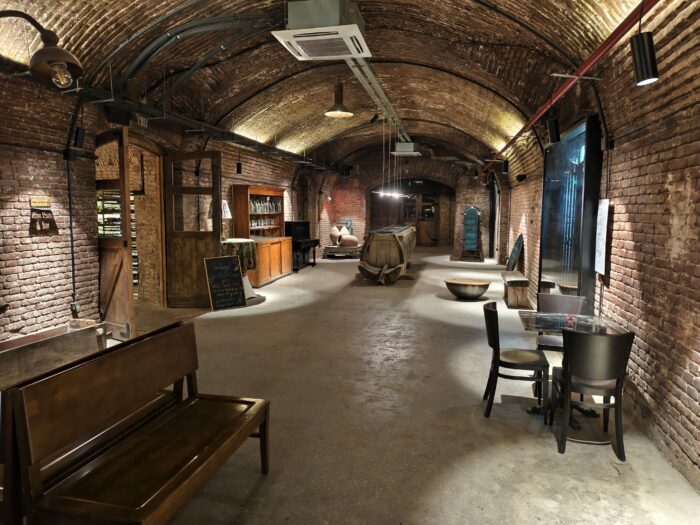
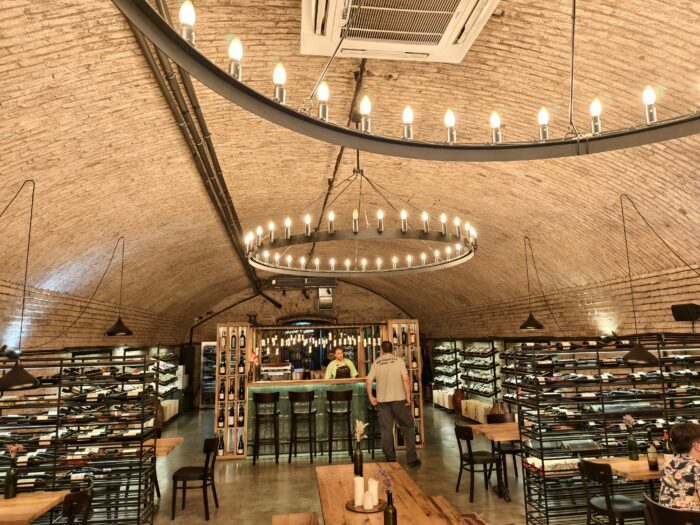
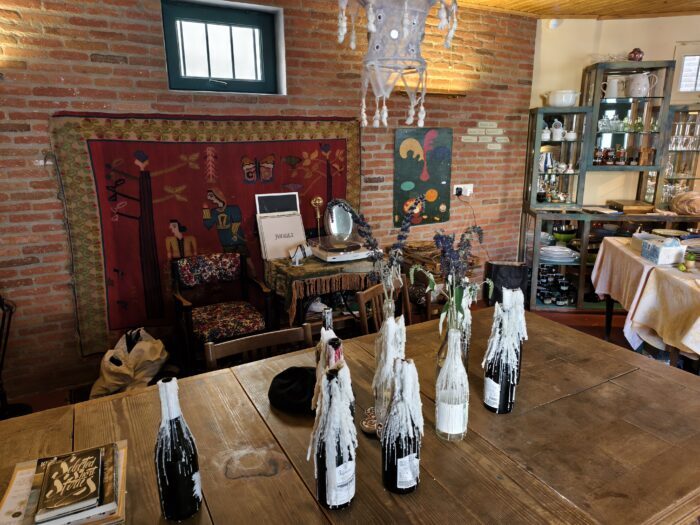
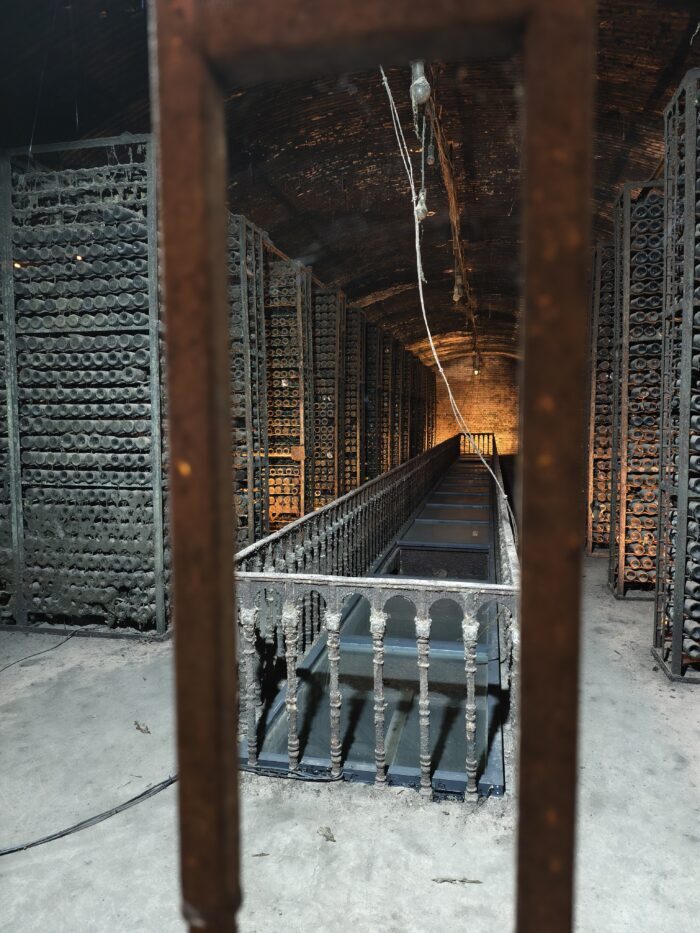
What I like about Georgia in general and Tbilisi in particular is the omnipresence of great wine and bars. They are atmospheric and of different flavors, from rooftop green galleries to underground pubs. Some of them are in ancient wineries, and some are ultra-modern. Most of the good cafes and teahouses are run by immigrants, while Georgian ones are mostly not so good, with some prominent exceptions. Food is not always good (contrary to stereotypes) as well as the service (might be rude). But the wine is always good and various. There are so many grape sorts, including those that are grown only in some small valley or even a village.
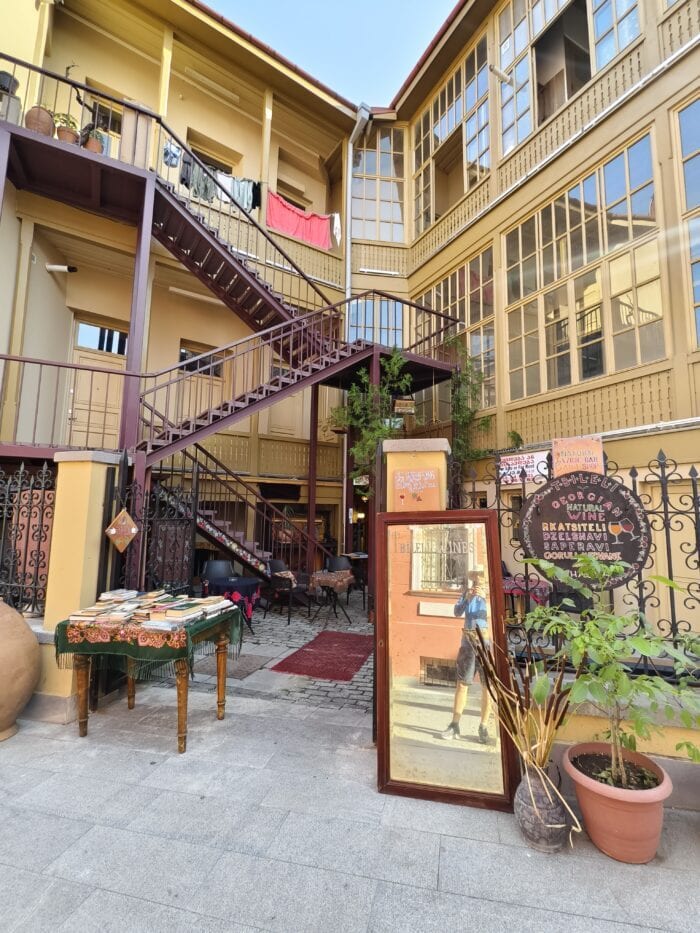
Charm
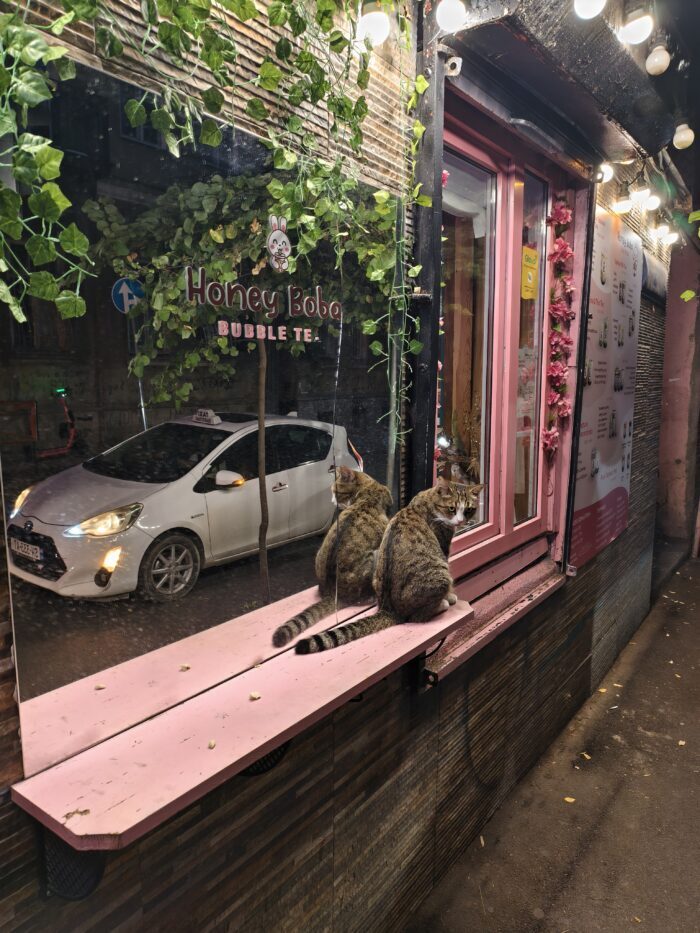
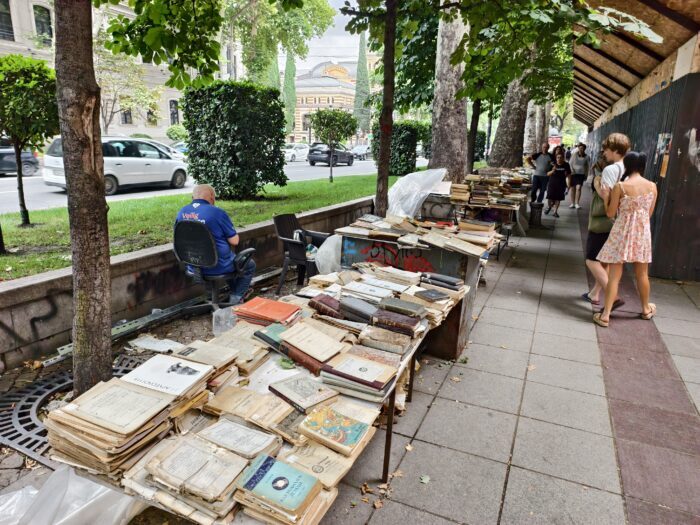
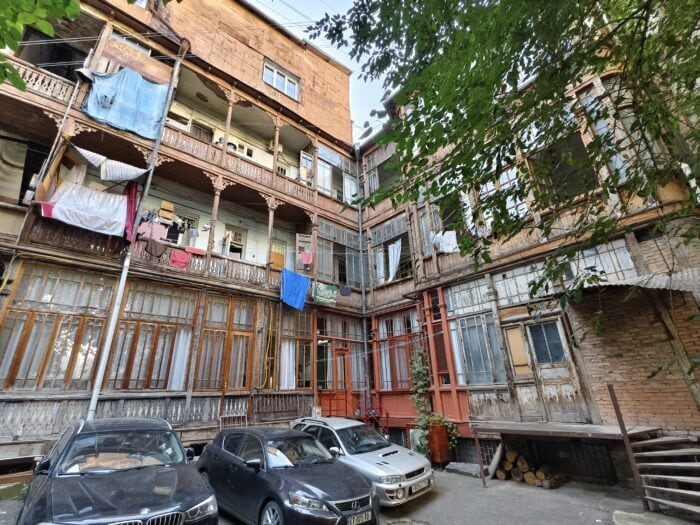
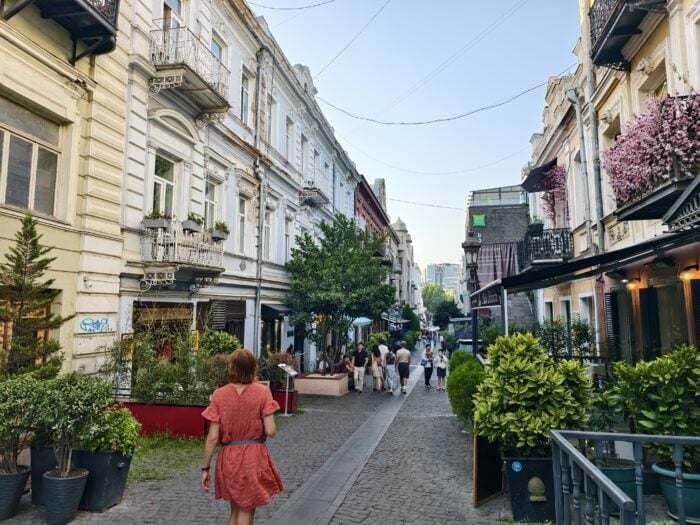
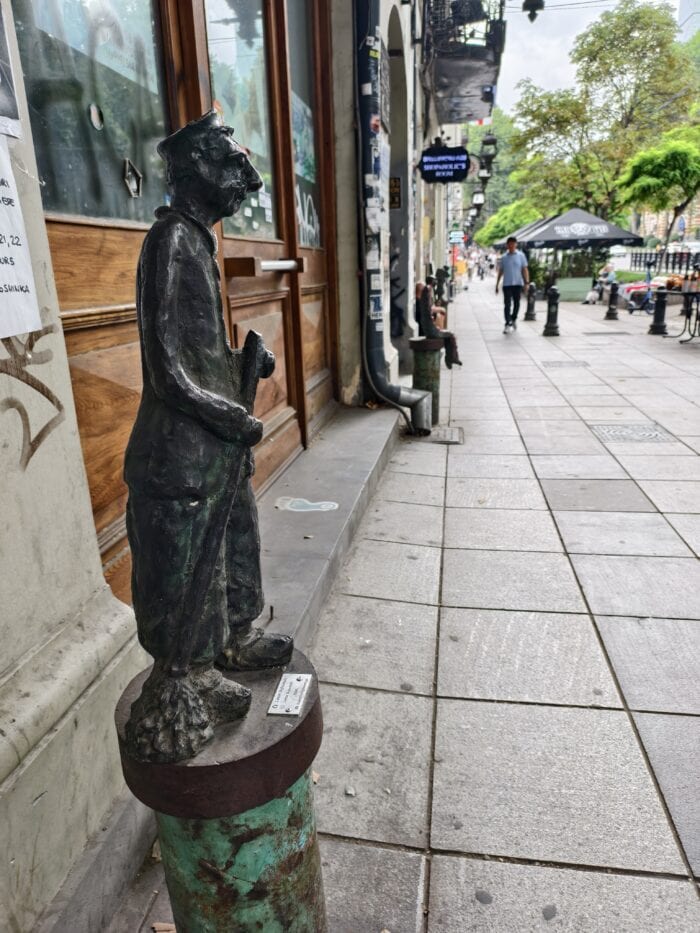
Despite many buildings being in a bad shape and being vandalized, even that adds to the elusive esthetics of the city. In central touristic districts, it’s a pleasure to walk and discover many surprising curiosities and charming small details, from elaborate antique doors to intriguing graffitis. All in all, the city leaves good memories and aftertaste, providing you don’t stay there for too long and stick to the downtown, as some more distant districts are not that attractive, being blunt Soviet or modern apartment blocks with insufficient infrastructure.