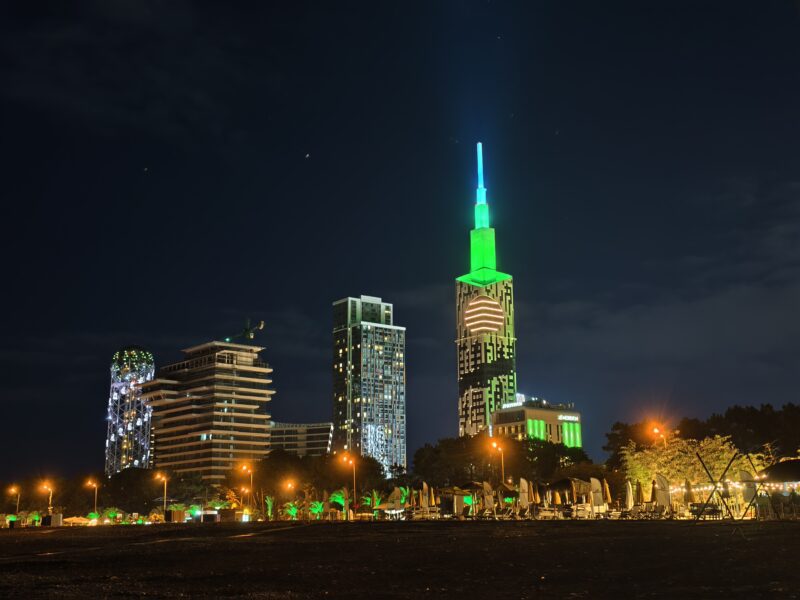
Batumi is the capital of the most southern-western region of Georgia bordering Turkey. Its unique climate makes it a great wine and tea production center, and thanks to being located on the sea, it’s a natural harbor, a subtropical resort, and a trading center.
Economy and a Little History
In the Soviet time, Adjara was a developed province whose economy was famous for tea and wine production. The sea fleet successfully caught a significant amount of fish.
The tea industry started to develop at the time of the Russian Empire. One of the Russian oligarchs, Popov, invited several Chinese specialists to grow tea in Adjara. Almost all of them died for different reasons, but the main specialist, Liu Junzhou, stayed alive and active. Thanks to him, unique Georgian tea sorts appeared and even won prestigious international awards. After the 1917 revolution, Liu Junzhou returned to China with his family. However, his tea plantations prospered long after. In 1920, tea production renewed and increased until the 1970s, when the quality was degrading substantially because of hasty plans, corruption, and breach of technology. After 1990, the tea industry totally collapsed. Now it’s slowly recovering, though Georgia still can’t produce enough tea even for a local market.
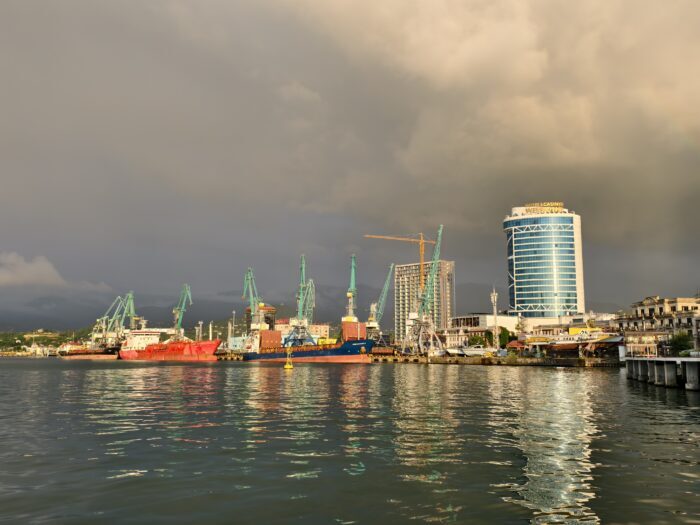
The same is the case with the fishing industry. Batumi has only two functioning seiners, which is way too little to deliver enough fish even for a local Batumi market. Almost all the fish is imported from Turkey or other countries.
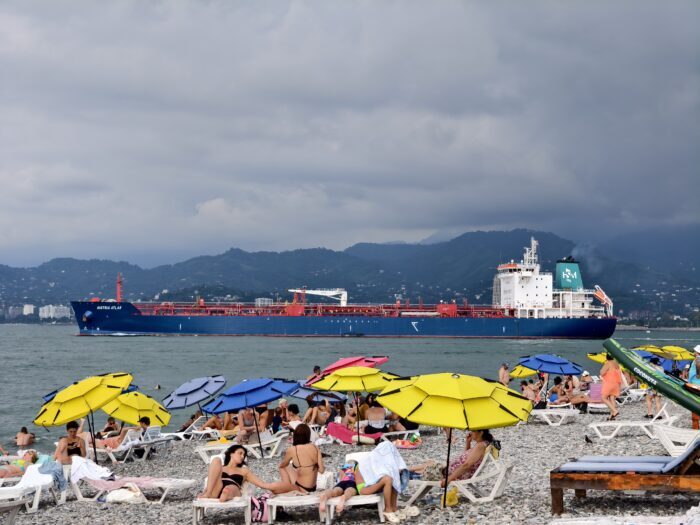
What is really developed enough is wine production. Dry law in the 1980s almost killed it, but then it recovered, and now Georgia provides wine for the international market. The variety of sorts is really impressive, with the most common local sort, Saperavi, very adapted to the local climate.
Tourism
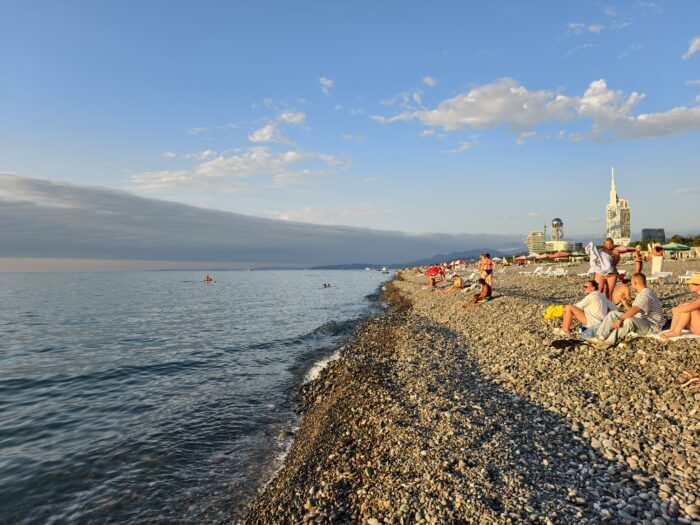
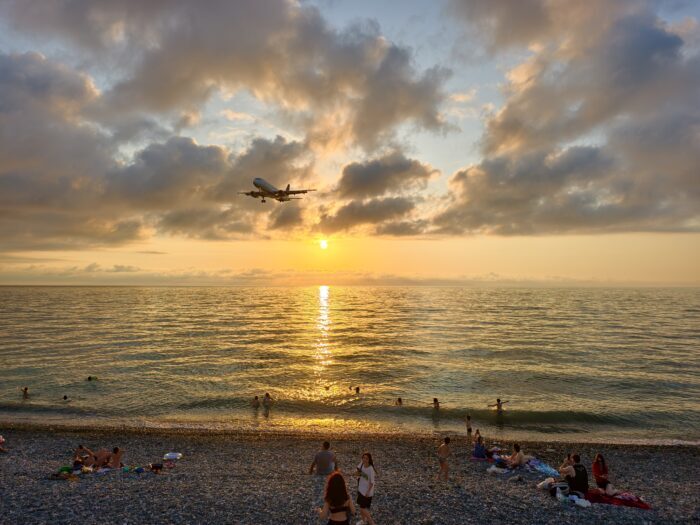
While traditionally being a local resort for mostly Russian tourists looking for sunbathing on the sea shore, today Adjara is trying to attract more diverse tourists. The Black Sea coast is not considered the best in the world, and the city of Batumi is not an architectural gem, so some other attractions are needed. One is casinos. They are legal in Georgia, and there are so many of them in Batumi, so many come only to gamble. Another attraction is the climate itself and nature. A lot of tourists from countries with dry climates (mostly Arabs but also Uzbeks, etc.) adore the humidity, plenty of water in many forms, mountains, and lucid green natural parks of the province. The price tag is not huge, so there are more and more tourists like this in the city.
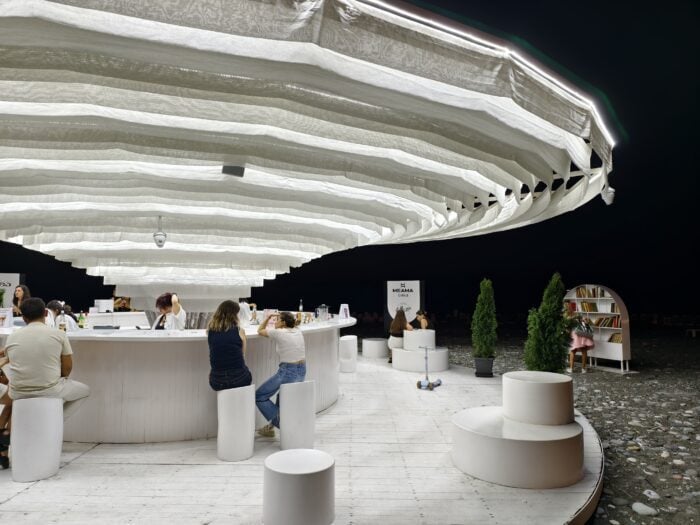
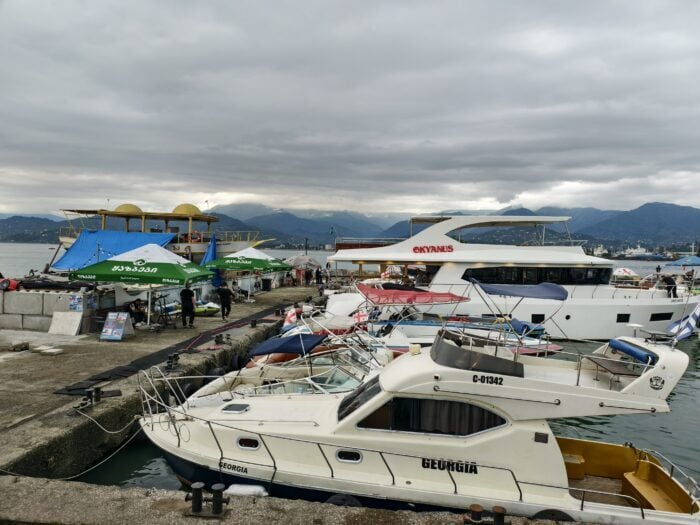
Batumi’s infrastructure is improving with new bus services and international flights available. Investment in development projects is booming. Though, strangely enough, there’s still a deficit of quality service and options for accommodation. Quite often, the owners want to be paid like in Paris when offering only a Soviet-style service.
Graffiti
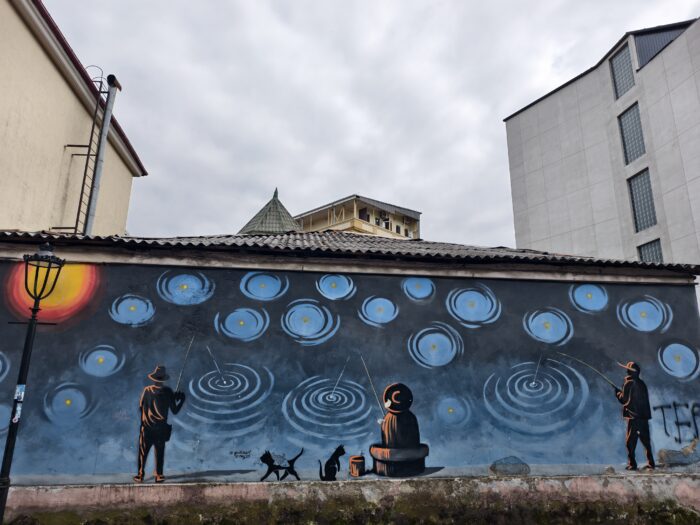
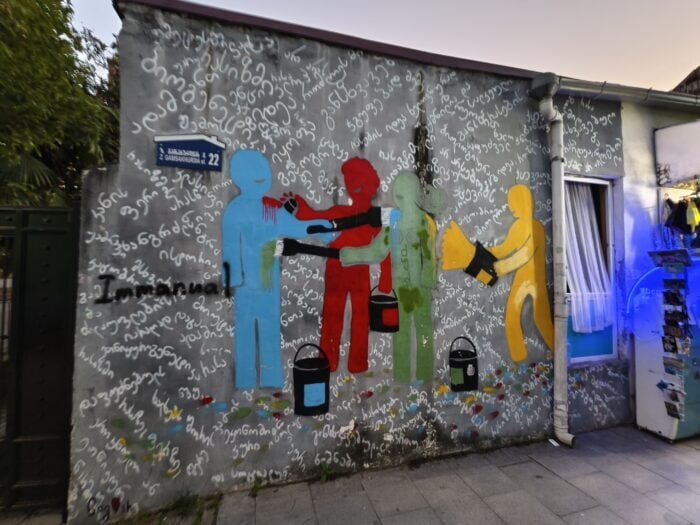
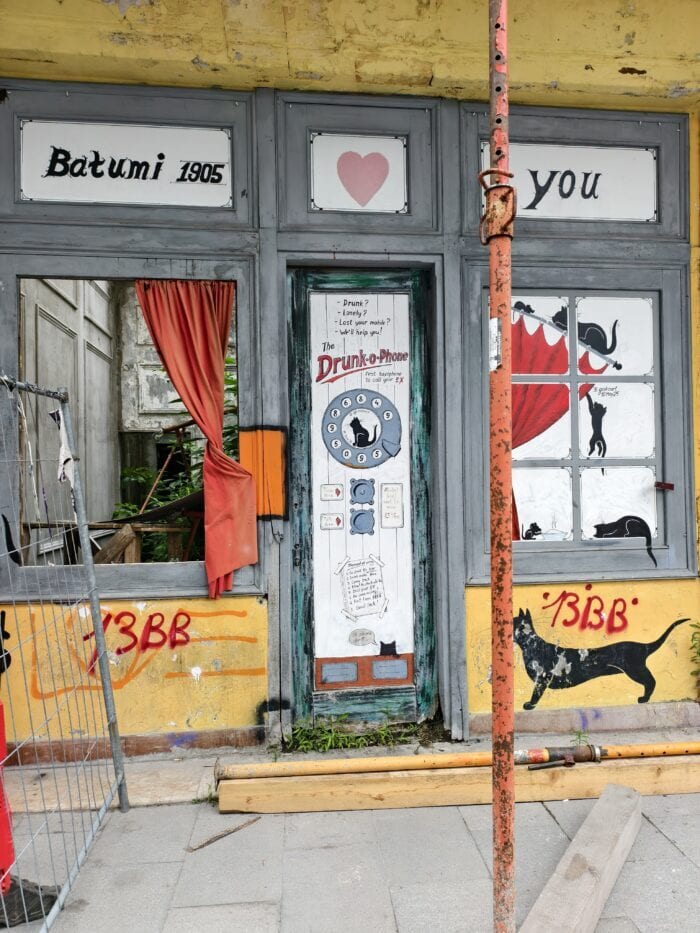
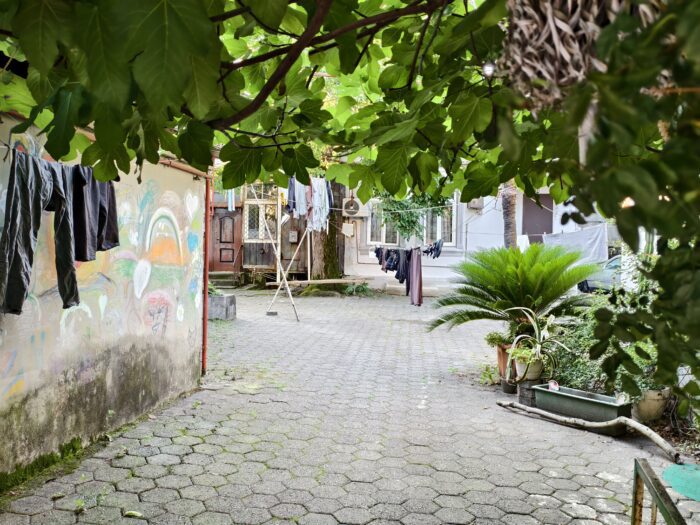
Batumi, like Tbilisi, is full of graffiti. Some of them belong to the Tbilisi painter Gosha Art. There’s even less politics and more coziness and easygoingness in that art in Batumi.
Urbanization and Modernization
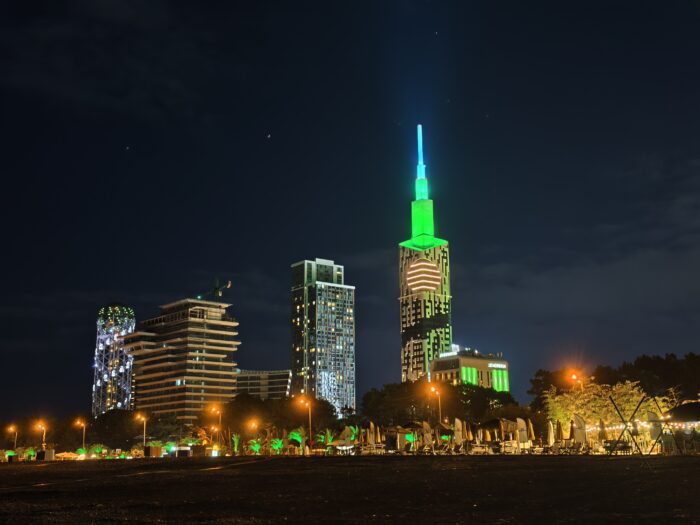
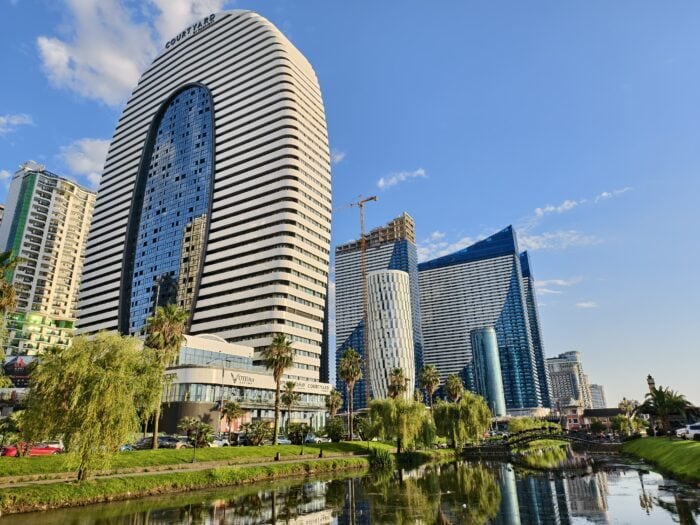
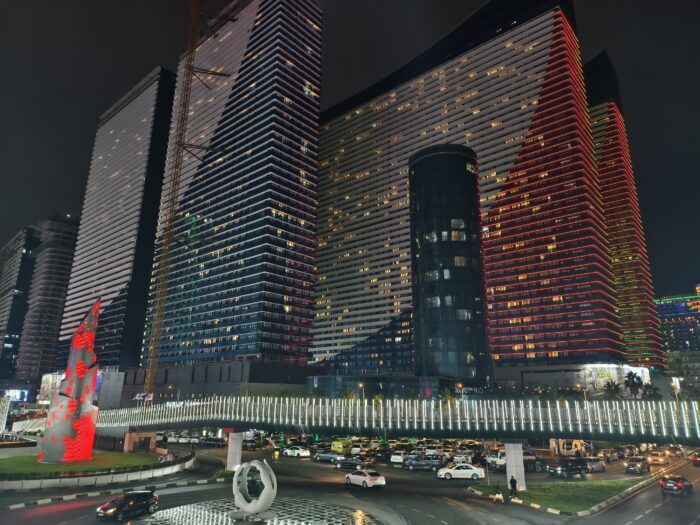
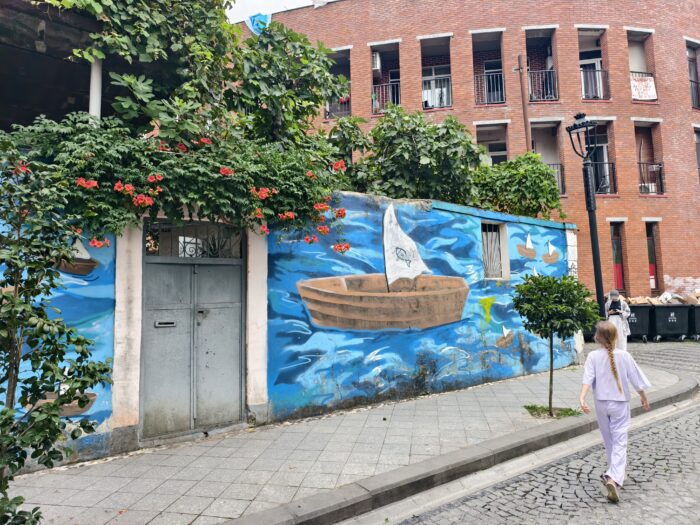
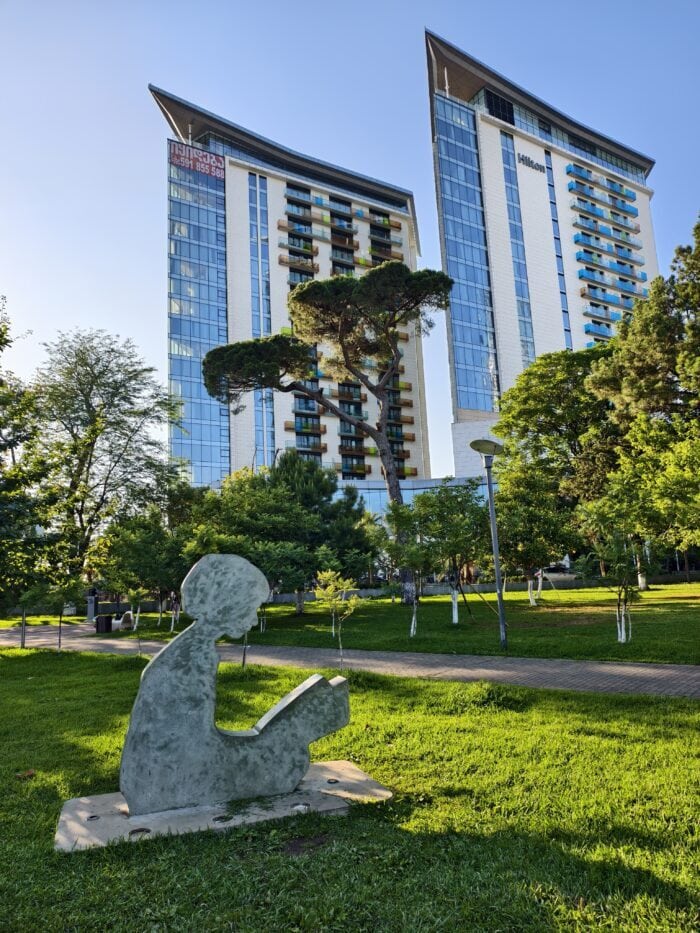
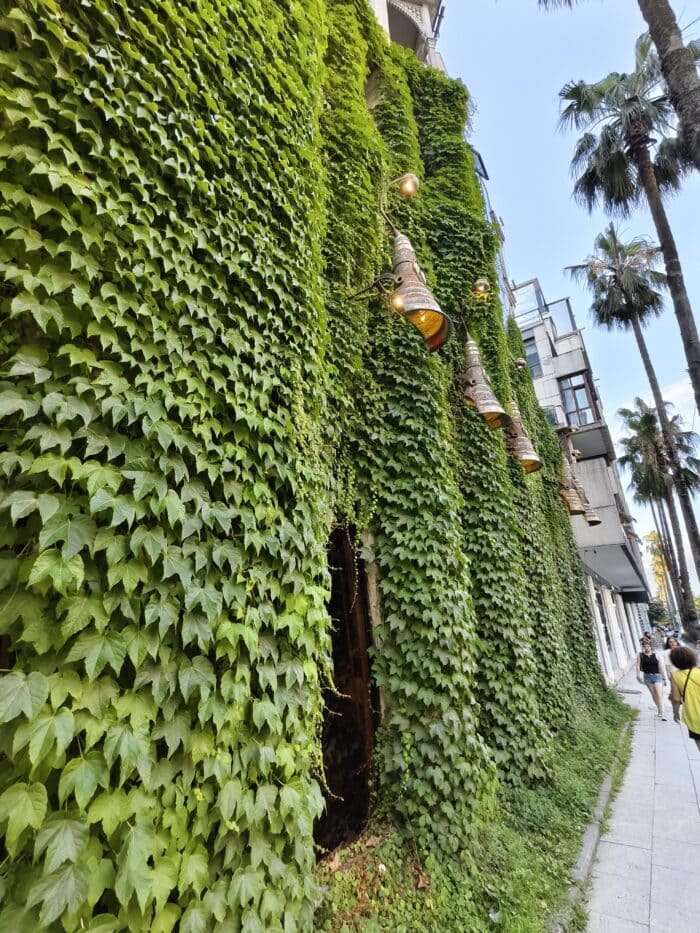
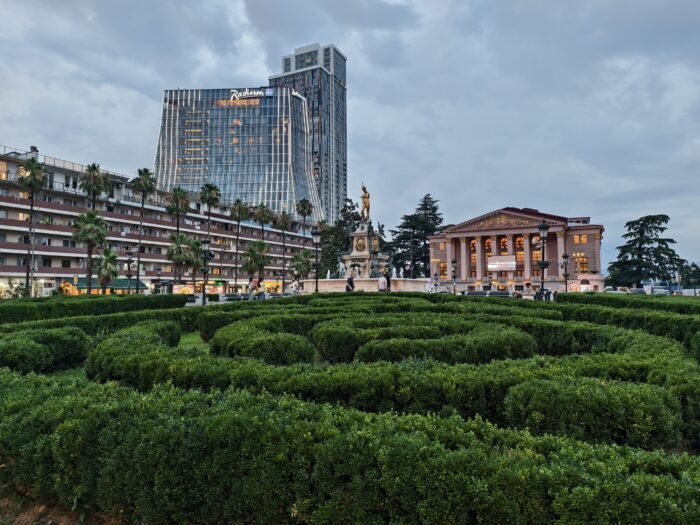
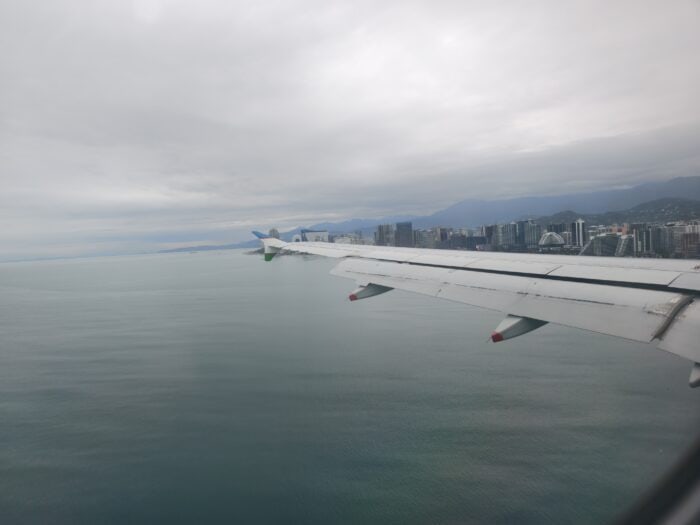
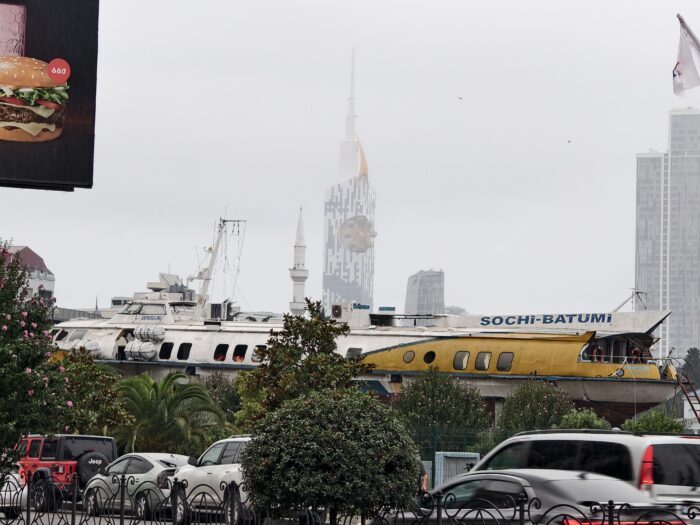
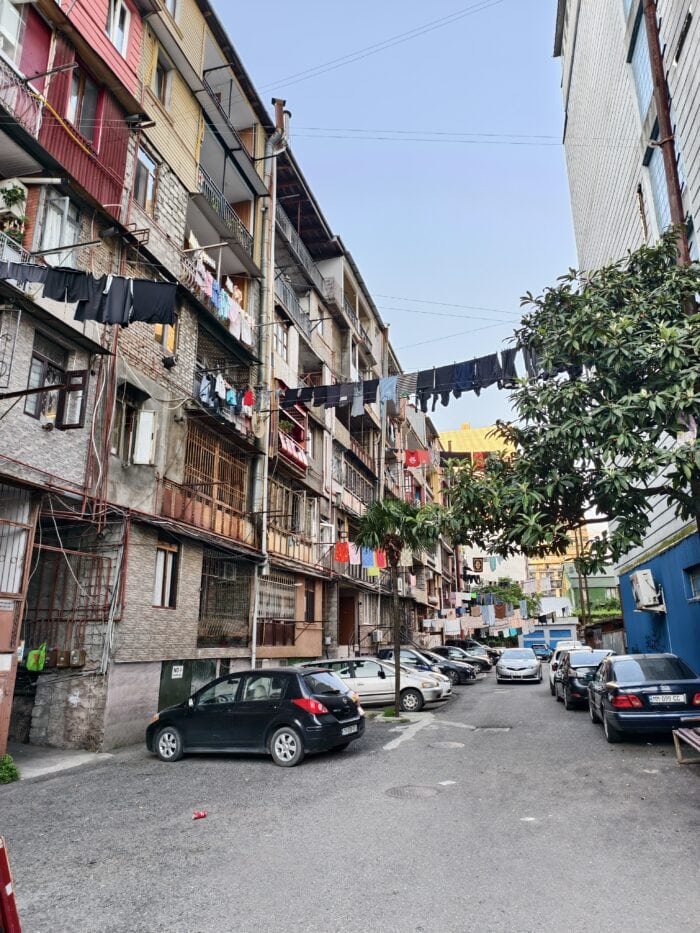
Batumi is growing too fast, and the construction standards are not always strictly followed. There is a huge amount of investment in Adjara since the rule of Saakashvili, as he provided an influx of money to the autonomous region inclined to full autonomy. It worked, and now Adjara is one of the richest Georgian regions with a development boom. There is all-improving infrastructure, new parks and embankments, and well-kept old and new buildings. However, the downside of the progress is the omnipresence of similar tall buildings with almost no way through for the sun. Some of the buildings seem even dangerous, like the infamous “Magnolia” house.
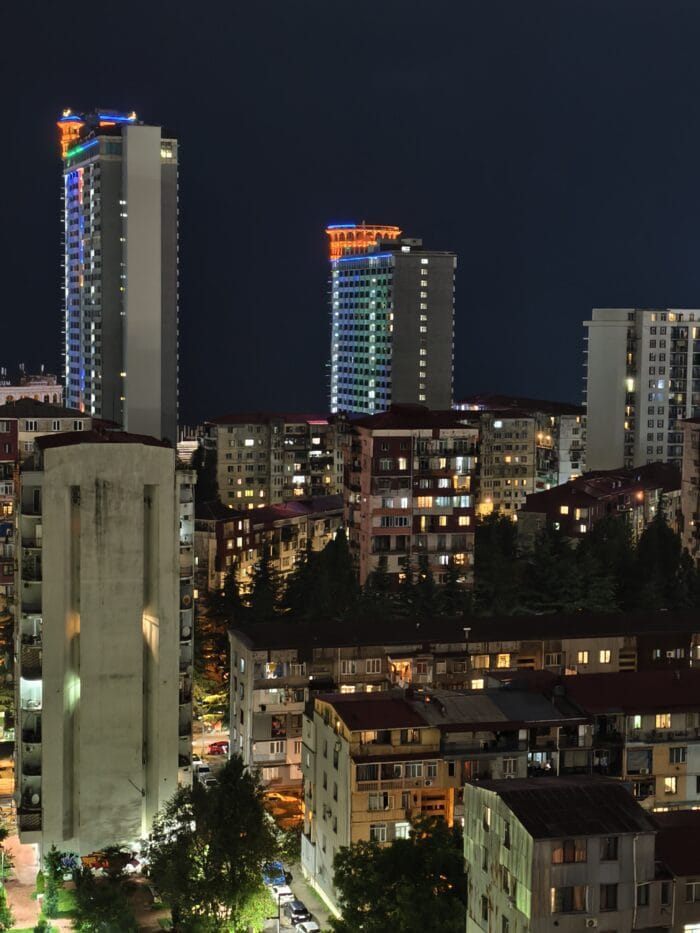
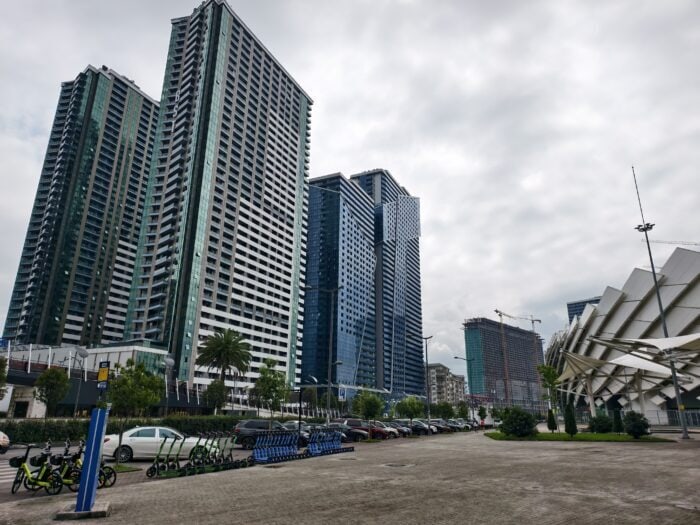
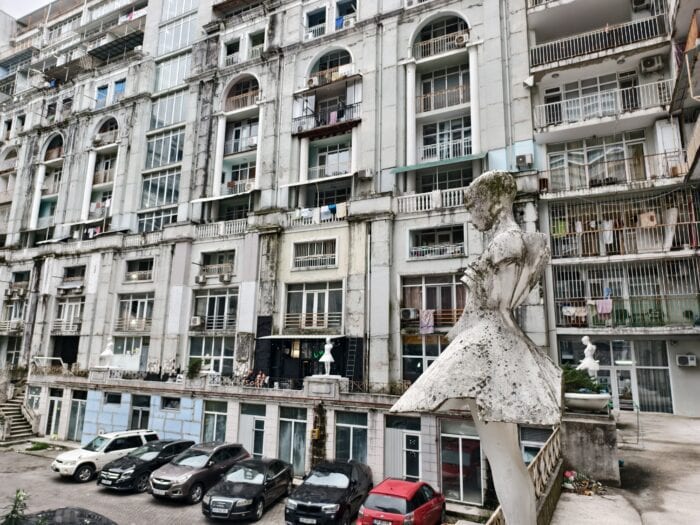
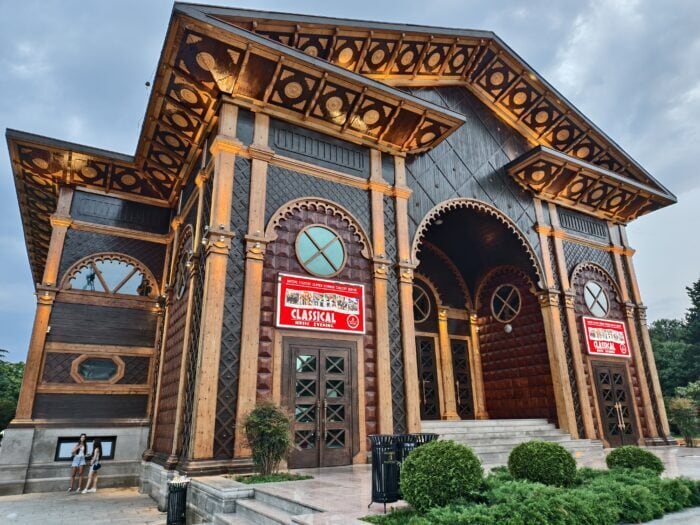
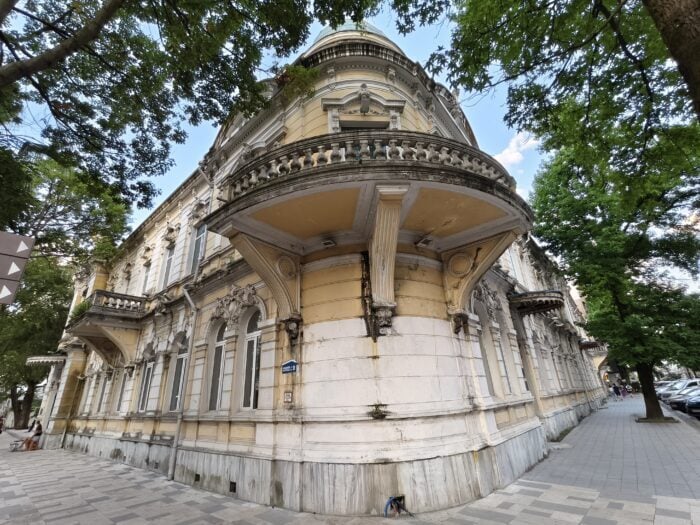
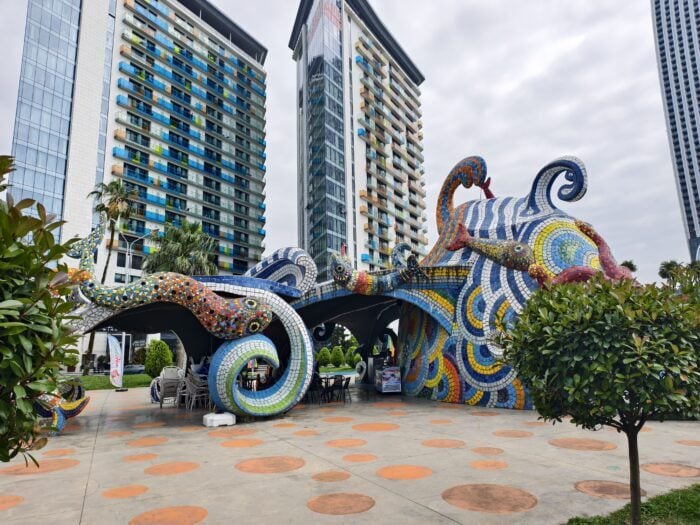
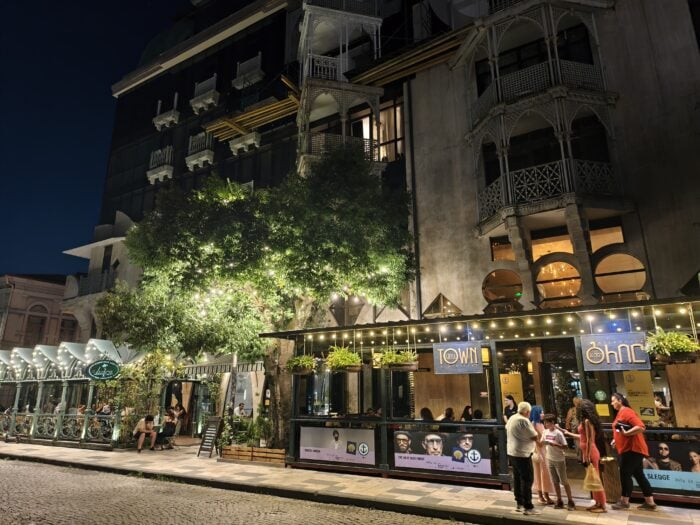
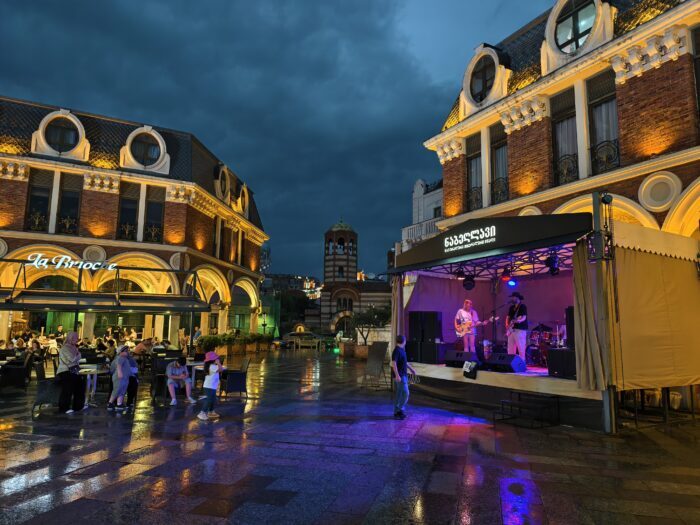
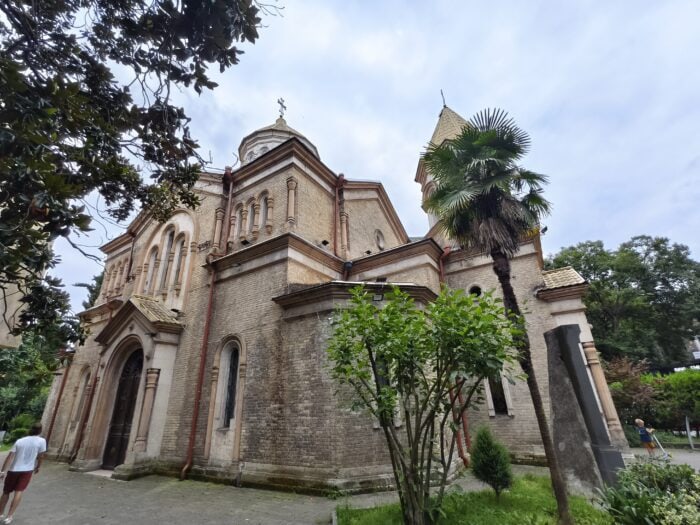
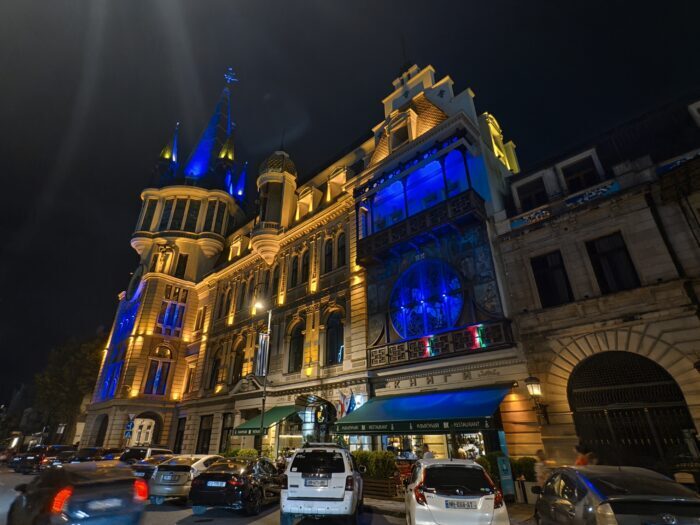
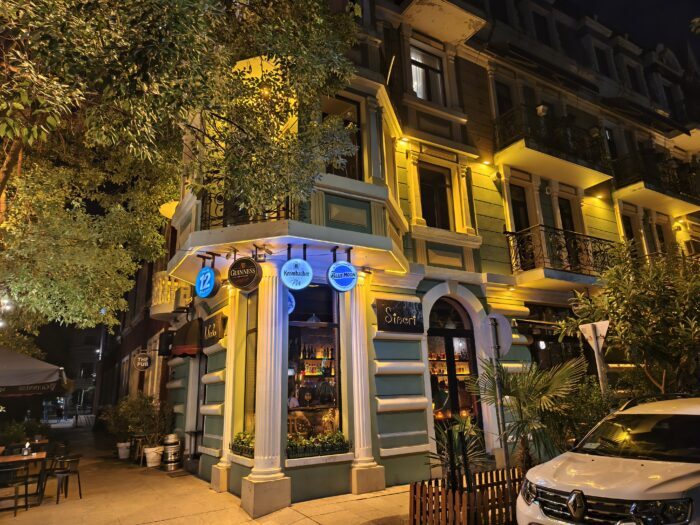
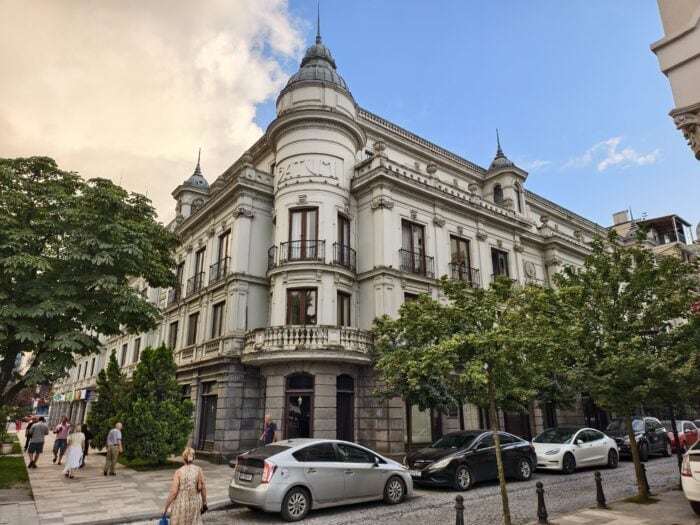
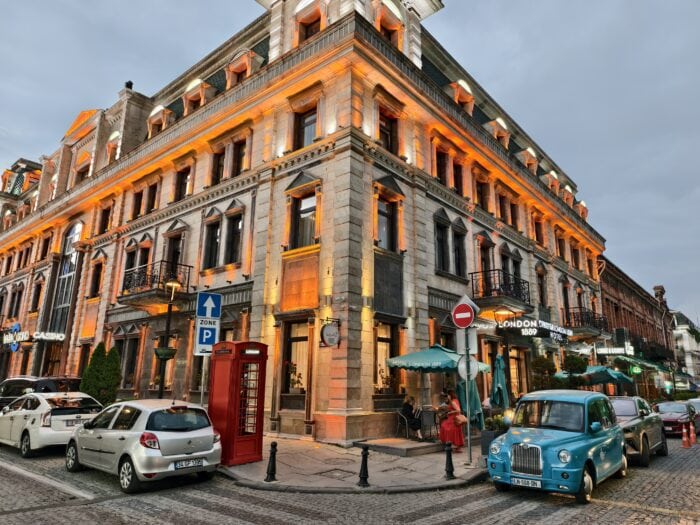
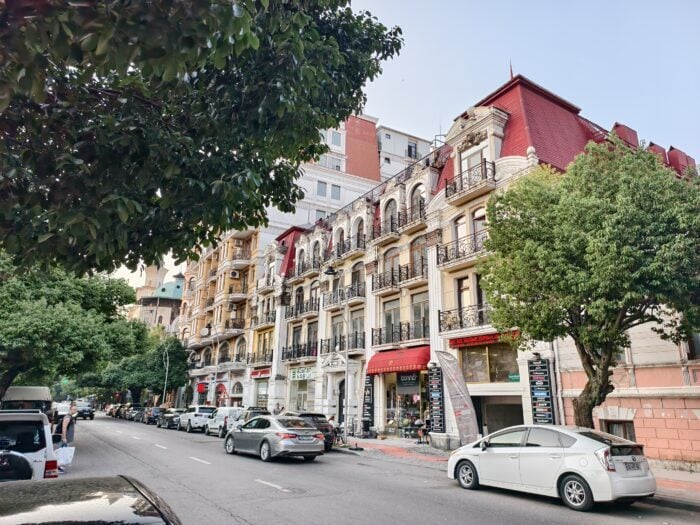
As for the architectural styles, there are very neat Stalin-time public buildings, several Russian Empire-era houses, and a lot of modern hotels, casinos, and apartment houses.
Animals
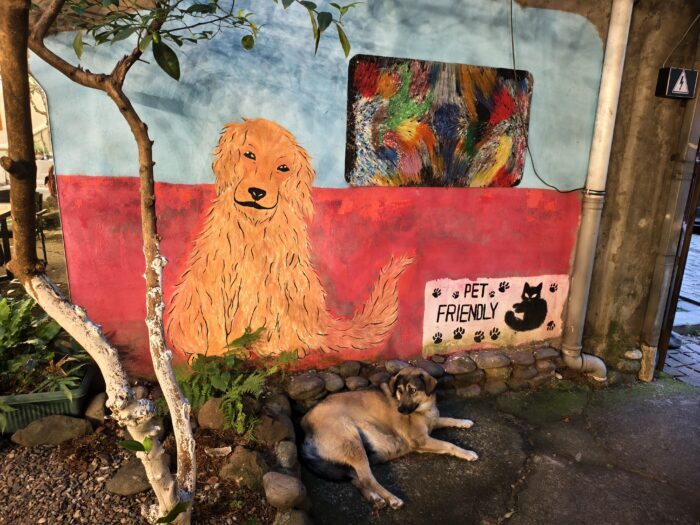
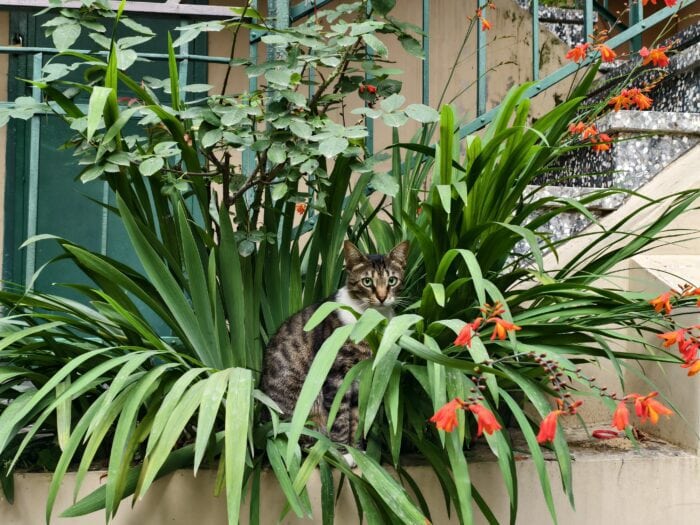
In Georgia, there are a lot of dogs on the streets; they are adored by locals, and many of them have tags on their ears and seem to be obese due to too easy access to food. Providing there are so many street dogs, there are fewer cats, but you can still see them now and then; they are taken care of as well. Locals have a lot of pets, and most cafes are pet-friendly.
Surroundings
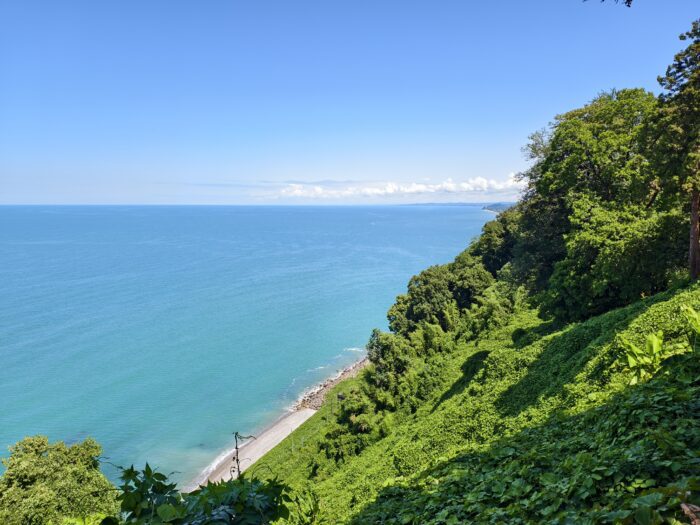
There’s a lot to see around the city. The closest national park to the city is Mtirala, accommodating waterfalls and wet Caucasus forests; it is surrounded by beautiful mountains. Historically, Batumi is famous for its rich botanical garden, which can be reached on a city bus. The garden collection is divided into several landscape zones, from Mexico to subalpine forests.
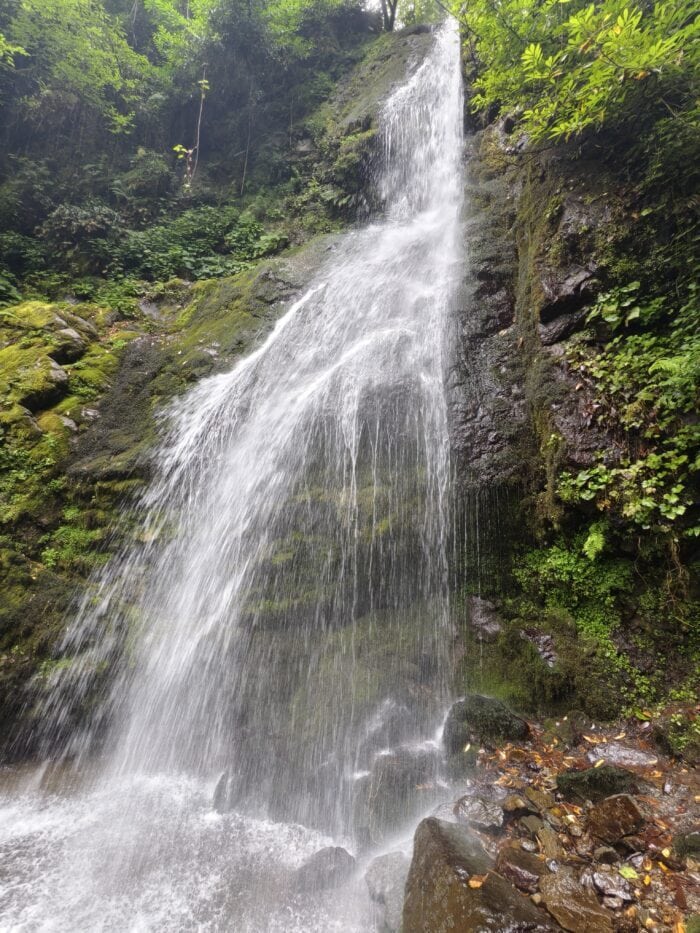
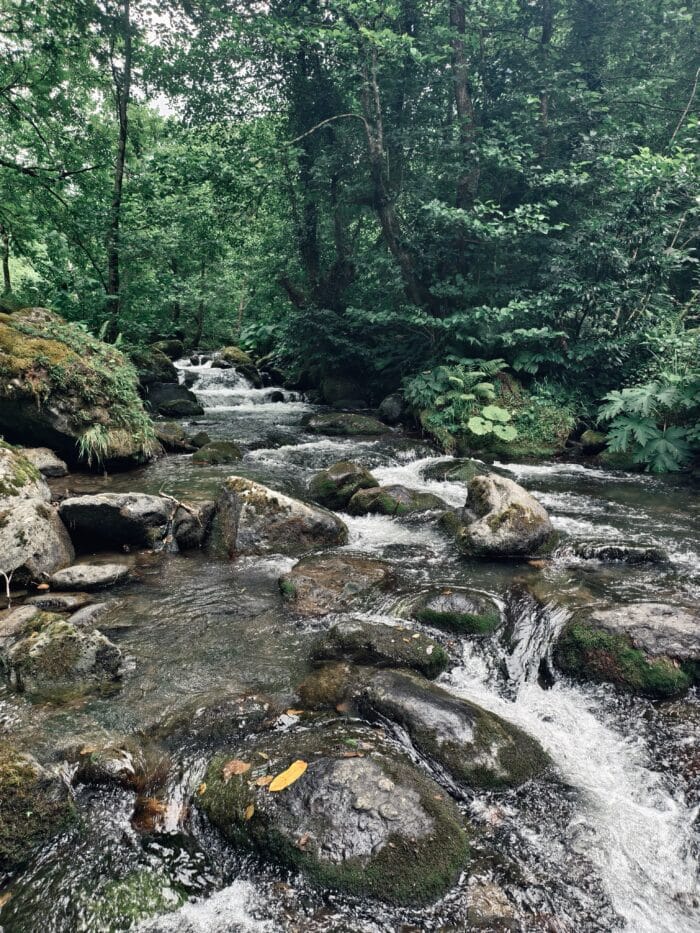
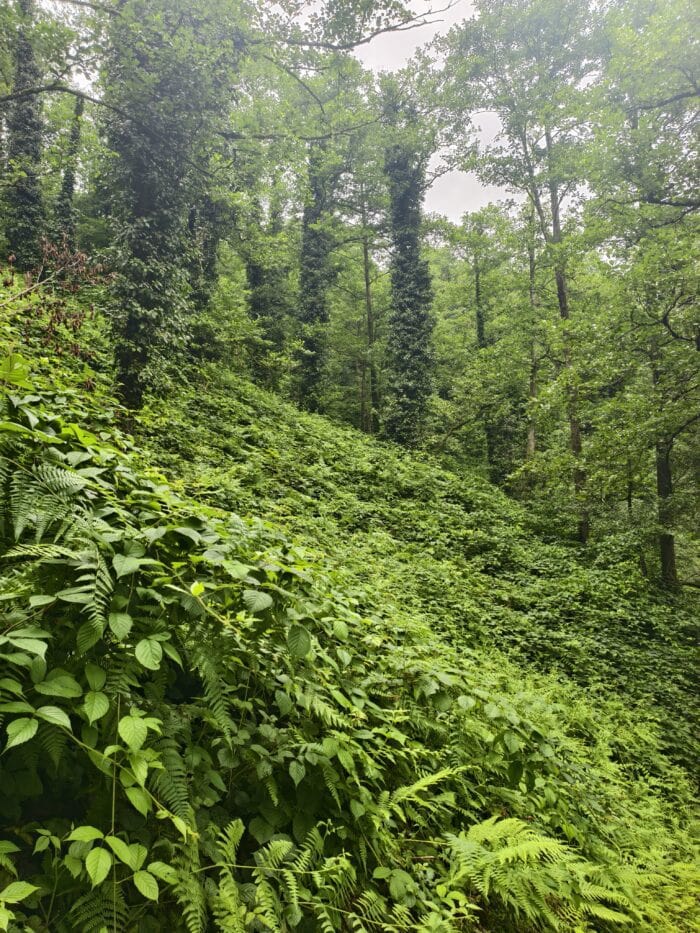
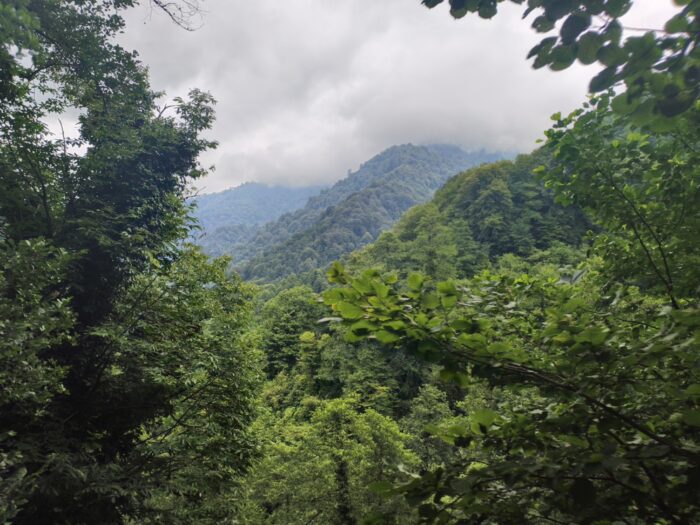
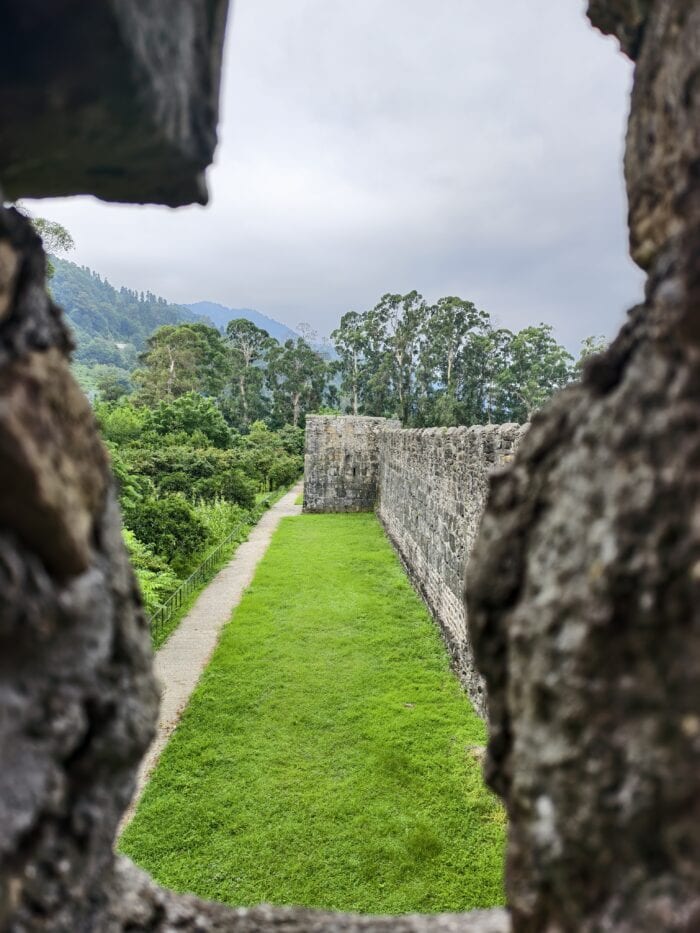
Apart from natural landmarks adored by tourists from countries with a dry climate, there’s one historical gem: the fortress of Gonio. That is one of the easternmost Roman Empire fortresses, helping to control the surrounding area. After the Romans, that fortress was used by the Byzantines and the Ottoman Empire for the same reason. The Ottoman fortress is restored, and the territory includes some Roman-era excavations. Definitely worth visiting for any history buff. The fortress is located close to the Turkish border, and the visit to it might be continued closer to the border to enjoy one of the cleanest beaches on the coast, having a good view of small mountains on the Turkish side.
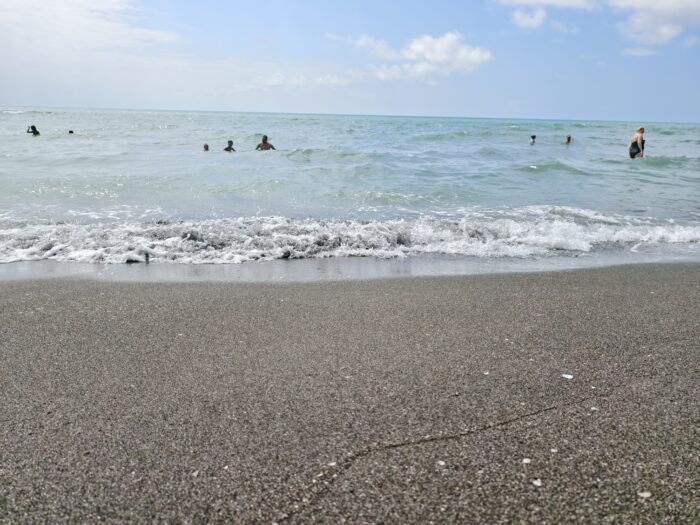
To the north of Batumi, there’s another new Shekvetili dendrological park famous for its collection of eucalyptus and other big trees and a big aviary. That area from Ureki through Kobuleti to Tsikhisdziri has unique beaches with black sand. All the rest of the coast has shingle beaches. The black sand has magnetite in it, and it is said that it is good for your health. I don’t know about that, but the beach looks nice, though very hot to step barefoot in summer days. Pity that those beaches around Kobuleti don’t have proper infrastructure, so plan your visit properly.
All in all, Batumi feels much greener, richer, and more comfortable to live than Tbilisi.
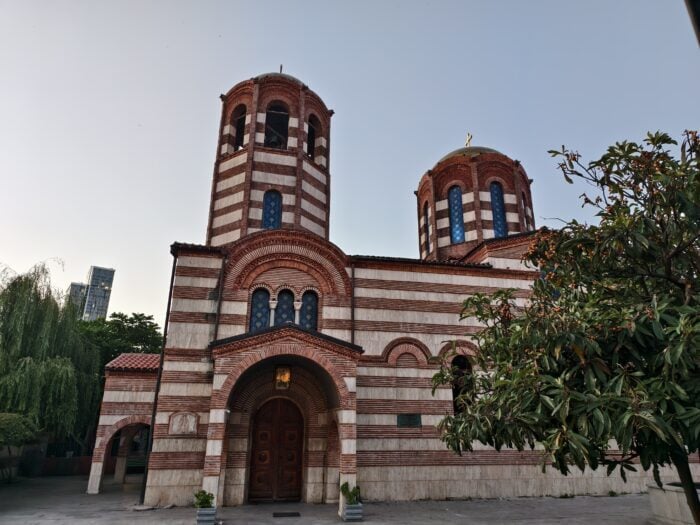
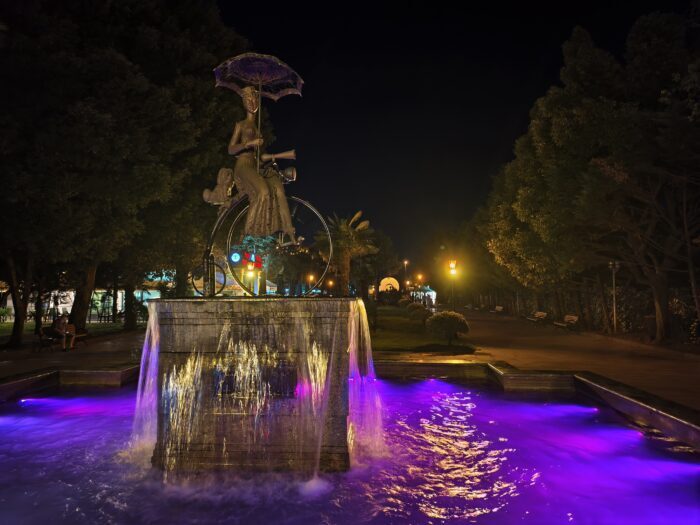
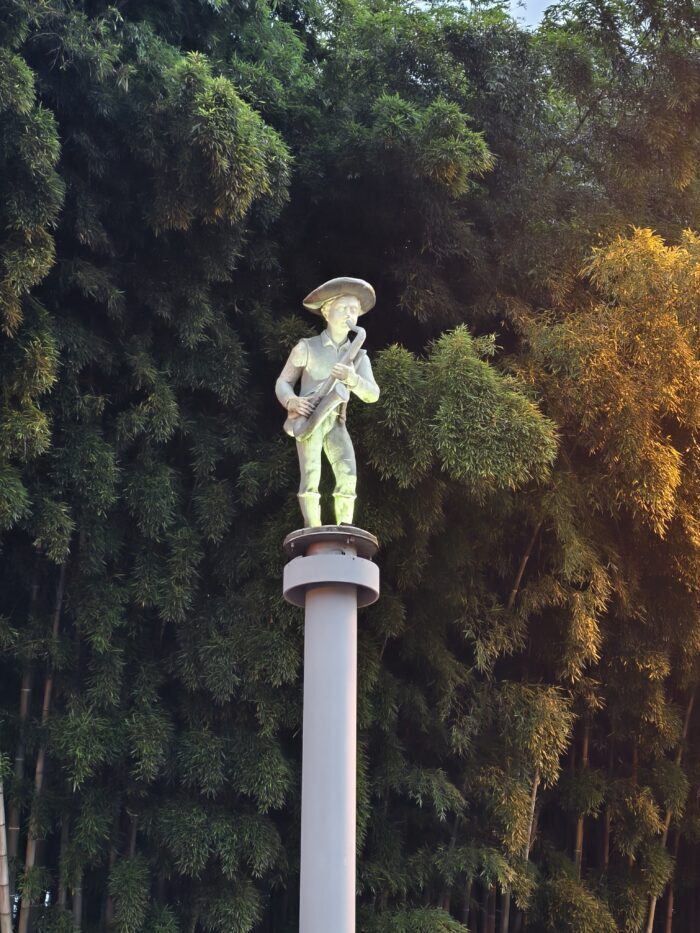
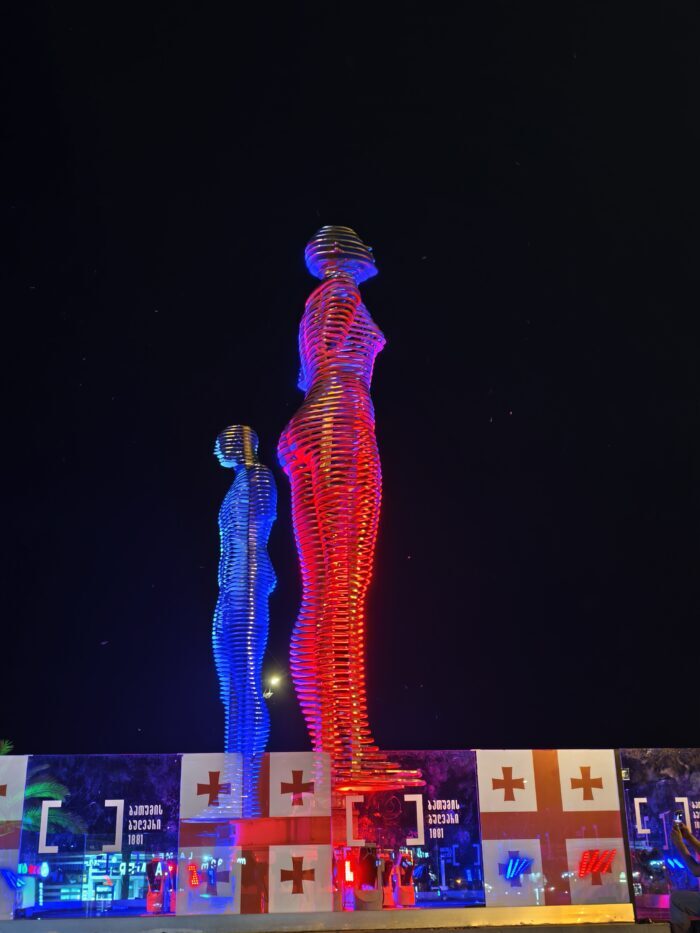
More Photos of Batumi
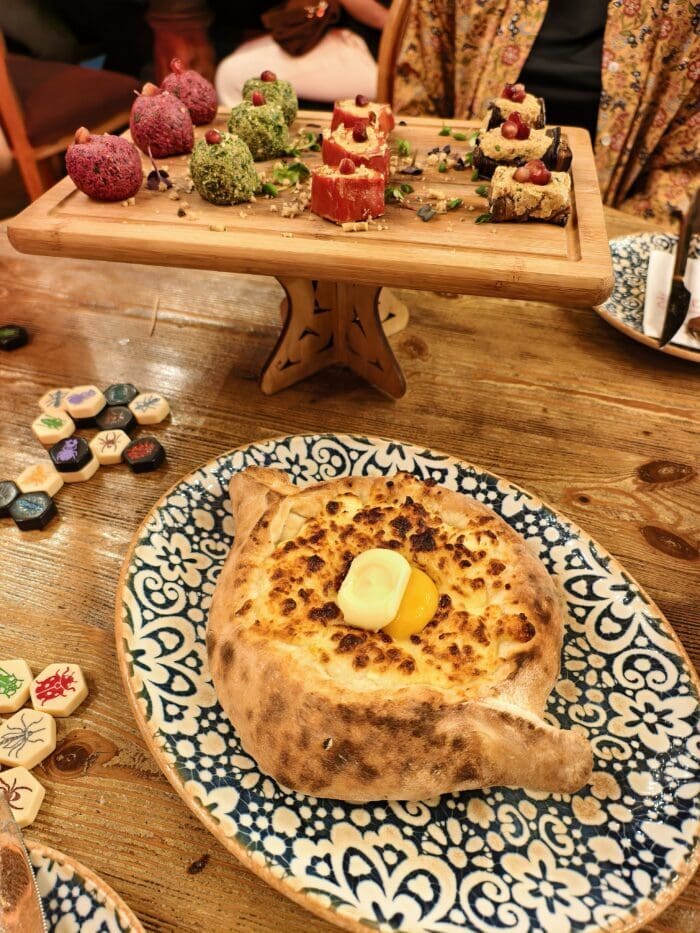
Traditional Georgian Cuisine: Pkhali (on the top) and Khachapuri