A Little Different Uzbekistan
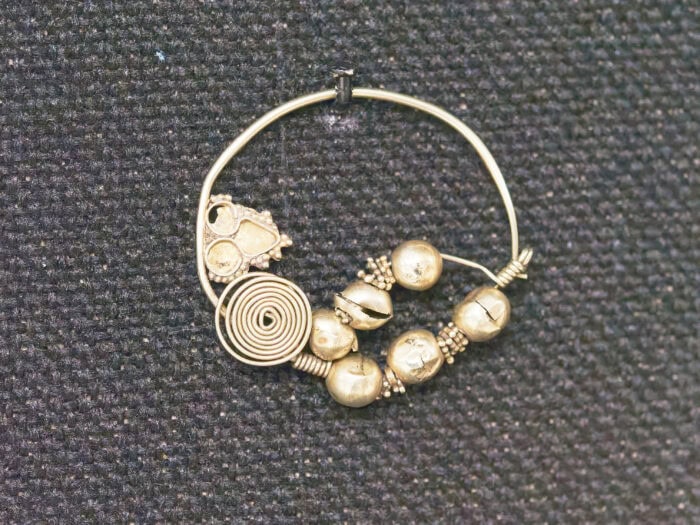
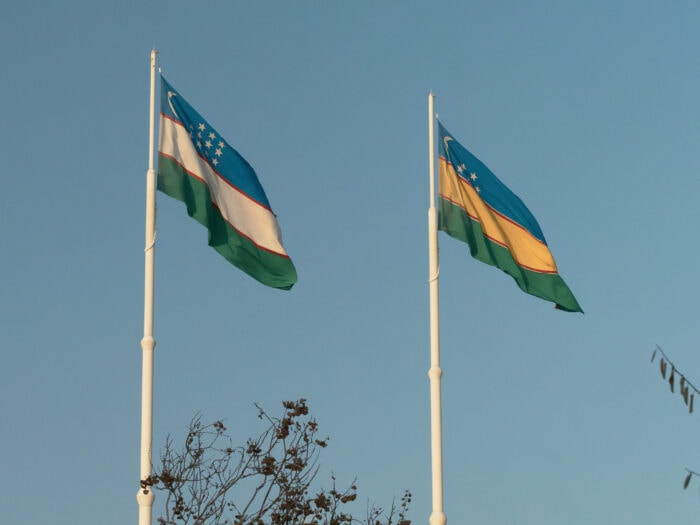
Uzbekistan is a multicultural country, but Uzbek is the dominant nation. Yes, there are a lot of Russians, Tajiks, Koreans, etc., but they are all spread over the country and don’t have any autonomy. As for the Karakalpaks, they are not migrants from outside the country; they have been living on the same land for ages. Karakalpaks have their own language, which is similar to Uzbeks but not the same. They have their own culture, traditions, being closer to Turkmen and historically being nomads and even visually quite distinguishable from most Uzbeks.
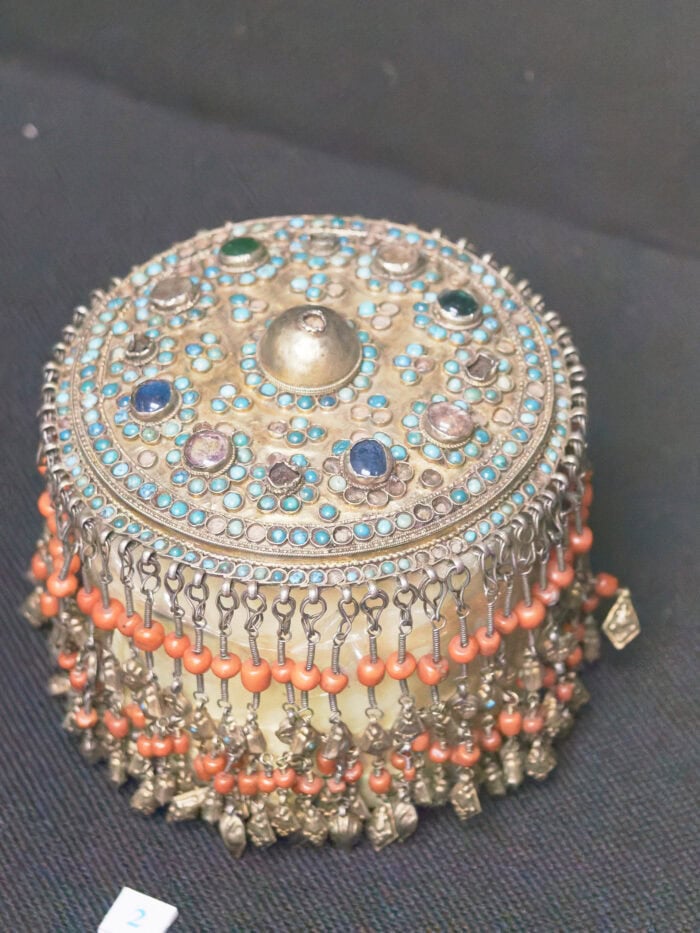
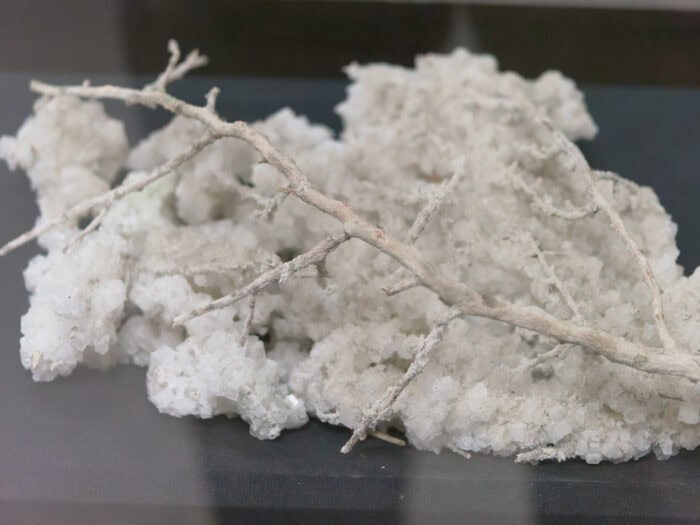
The land is very dry. The main water reservoir, the Aral Sea, has dried out due to climatic reasons and mismanagement, and it’s a huge problem for the region.
A Typical Small Town
Nukus is the center of the province; however, it’s really small and underdeveloped in comparison to bigger cities like Samarkand or Bukhara. It’s located in an oasis between three deserts.
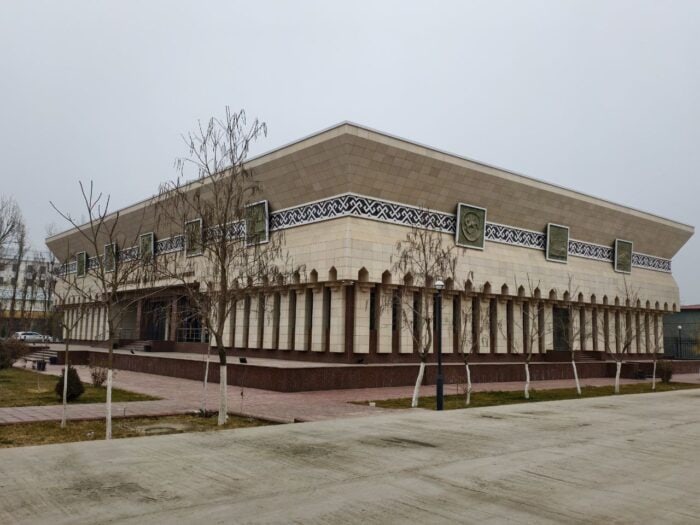
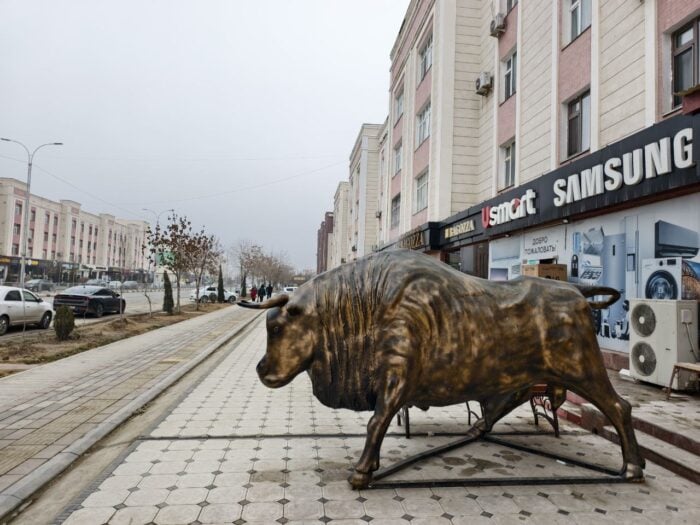
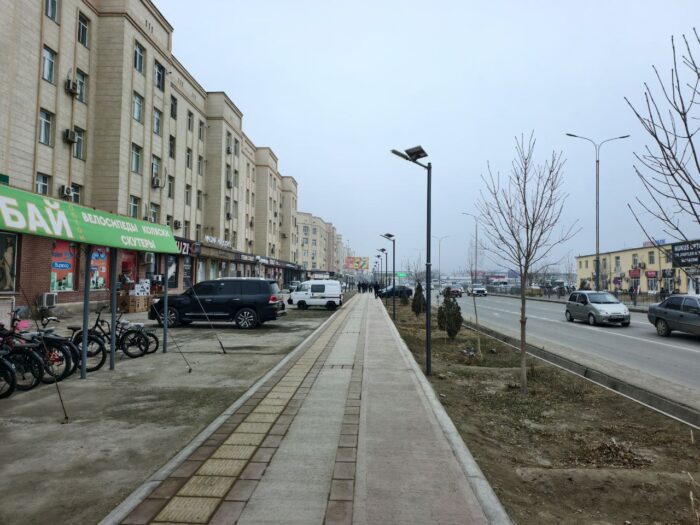
There’s not much to say about the town, having several more or less modern cafes, some hotels, and almost no decent architecture apart from that it has a very surprising number of big and modern sport facilities and schools. It’s obvious that the youth is the highest priority there.
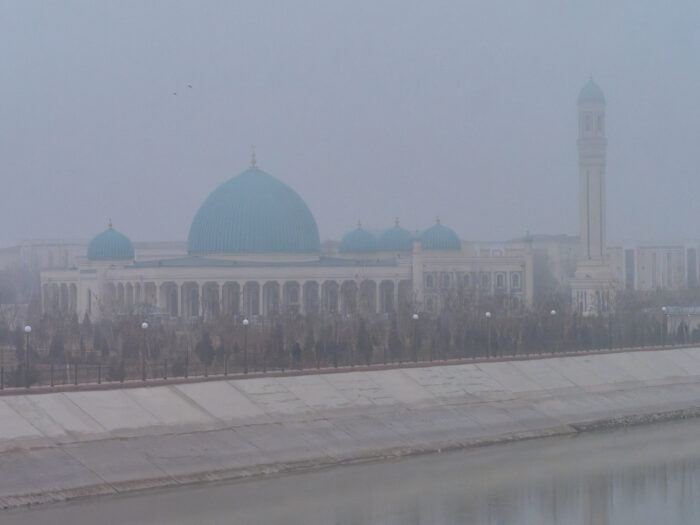
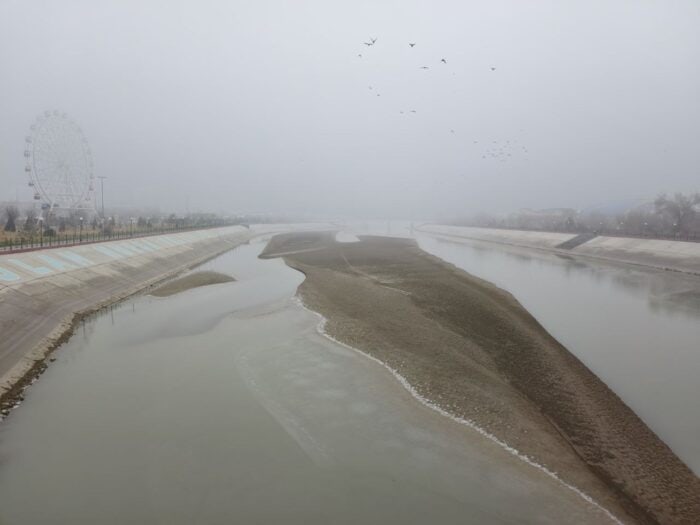
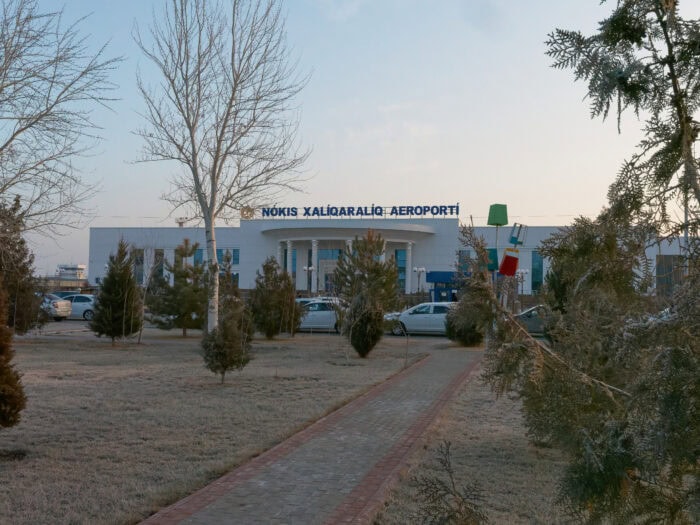
There are a couple of local museums, several modern mosques, an international (though small) airport, and an embankment along a canal flowing from the Amu Darya River, which passes just west of the city.
A Museum Gem
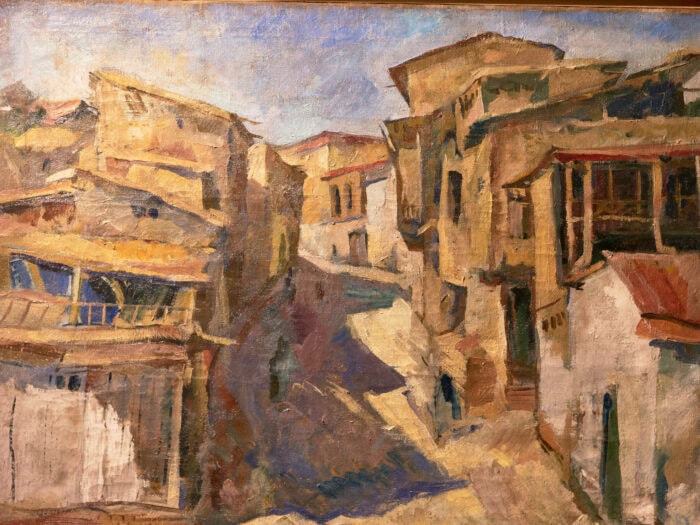
Apart from the fact that the town itself is quite boring, there are always tourists there. One of the reasons is the relative closeness to Muynak – a former Aral Sea port having a cemetery of old ships and offering picturesque desert tours.
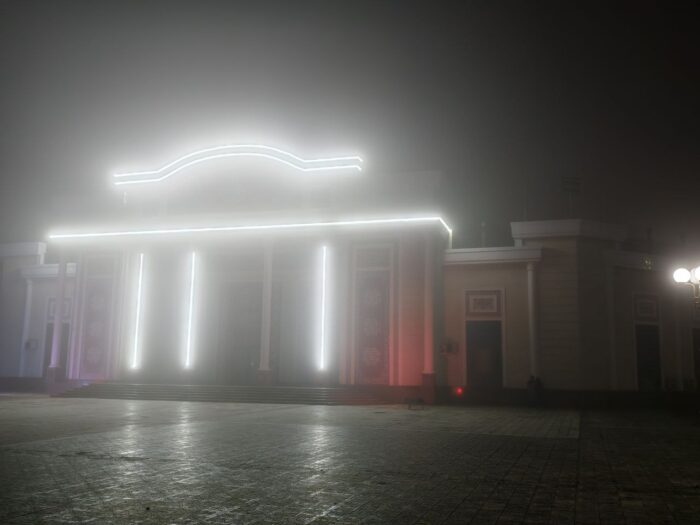
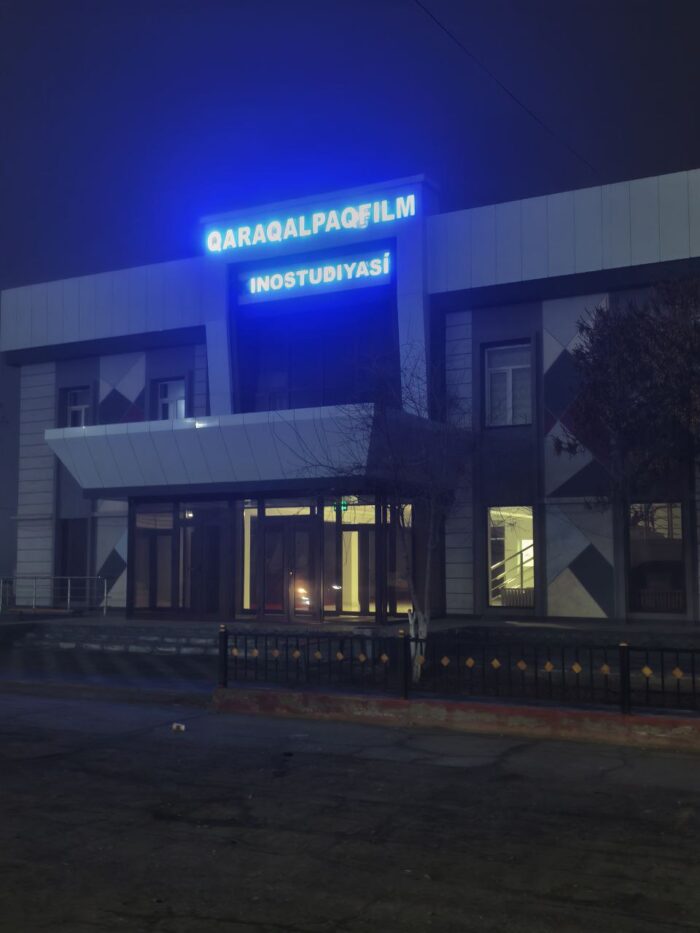
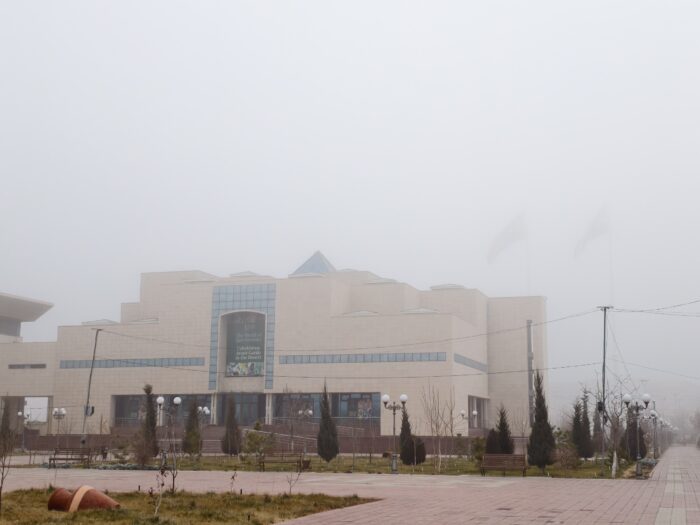
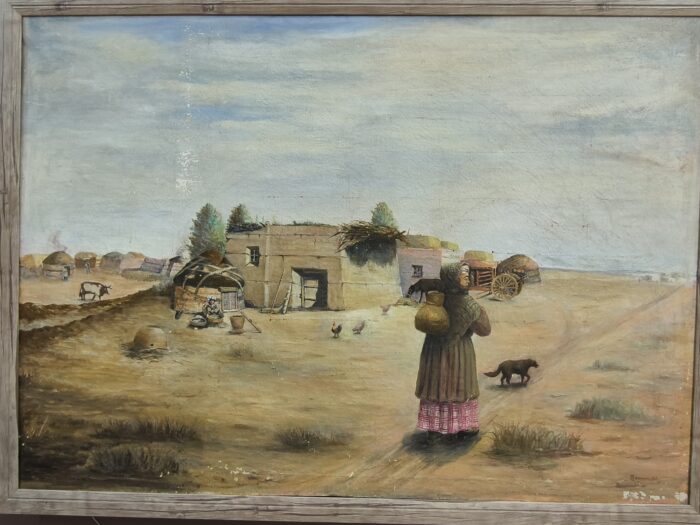
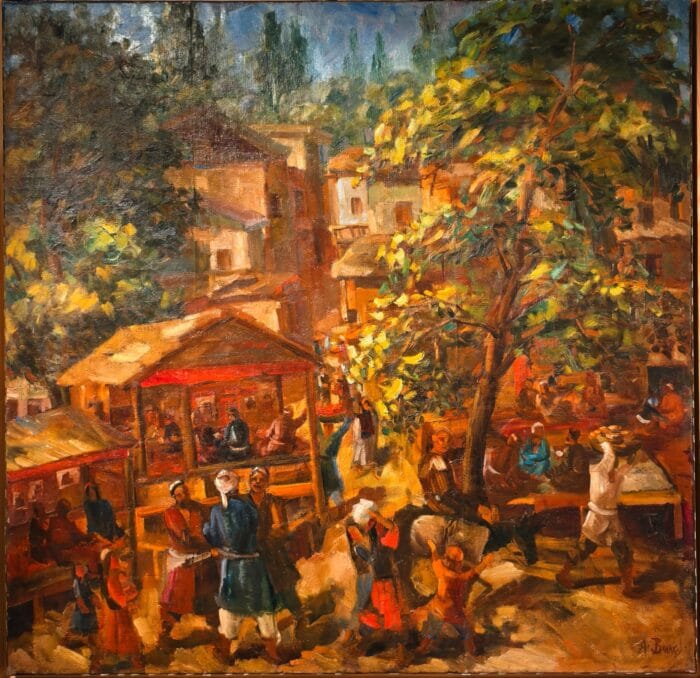
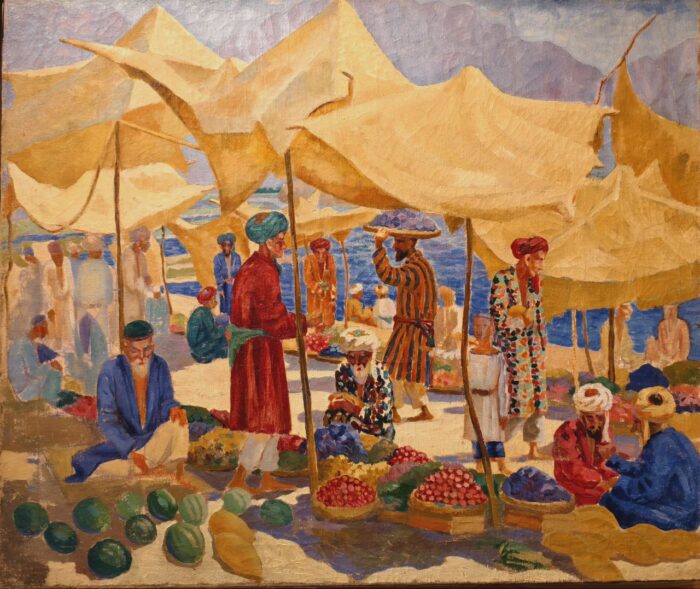
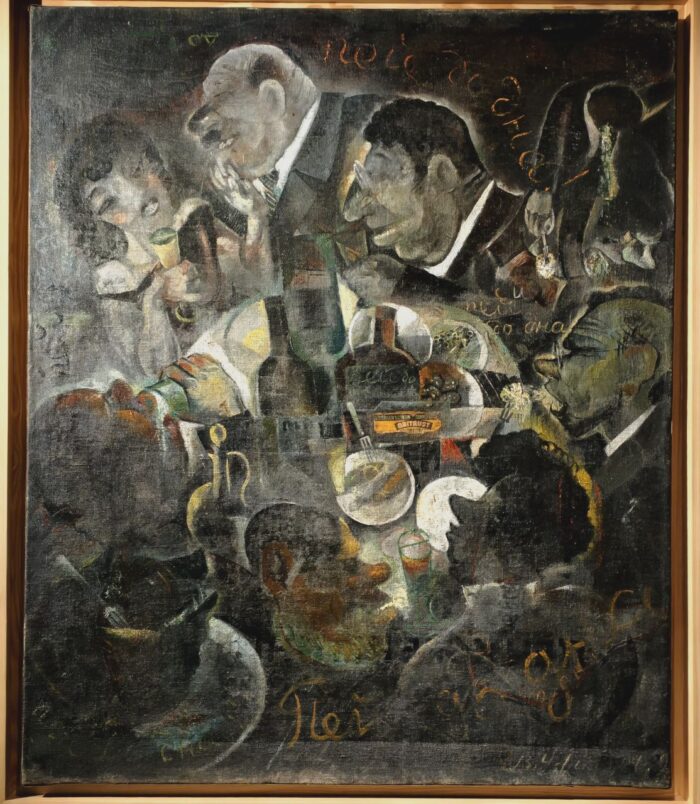
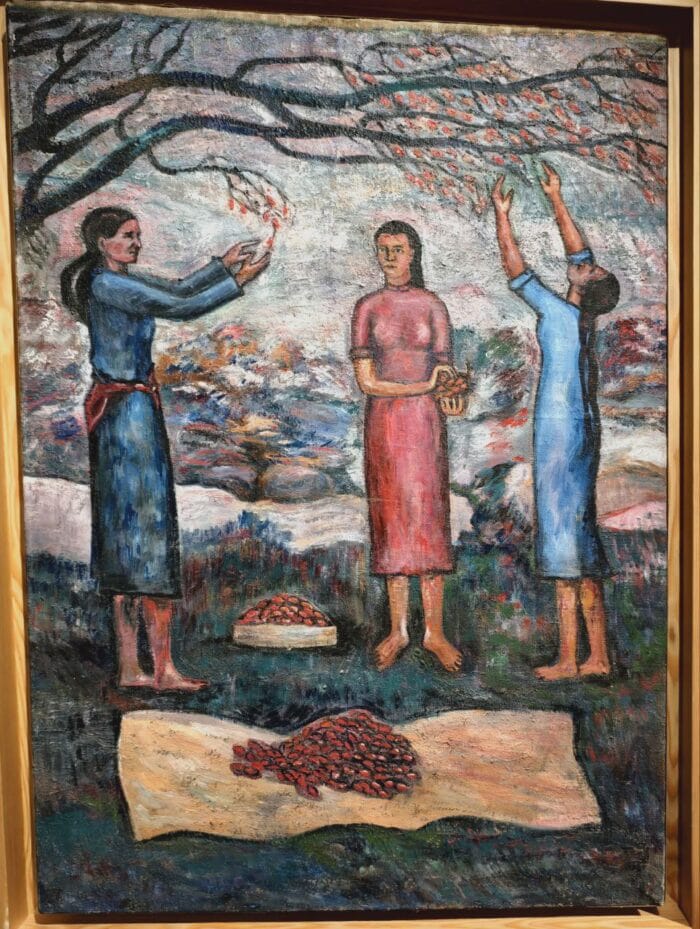
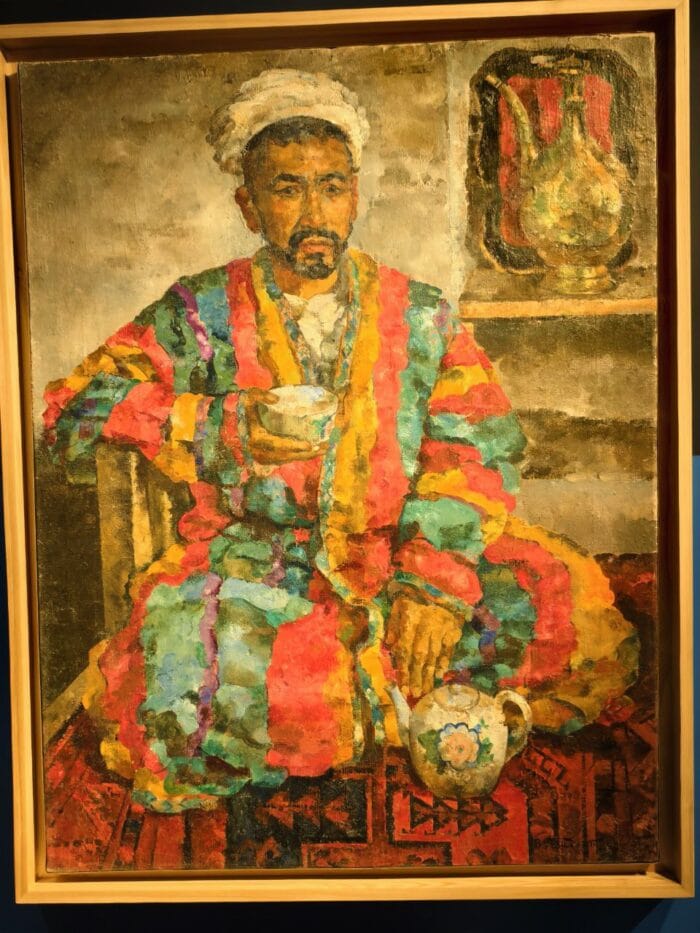
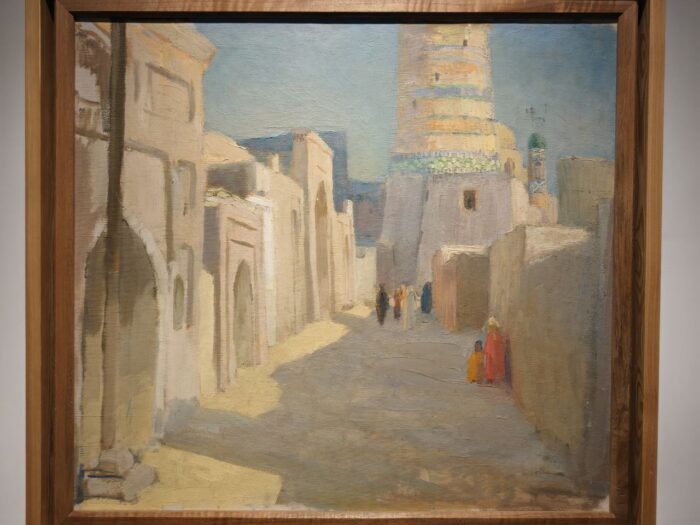
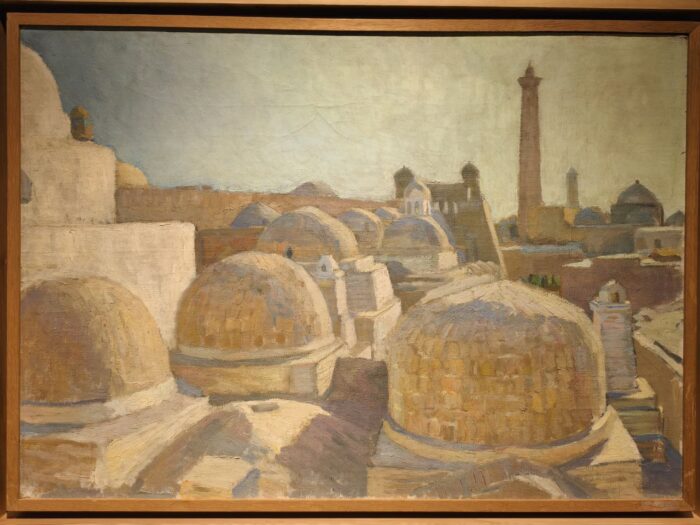
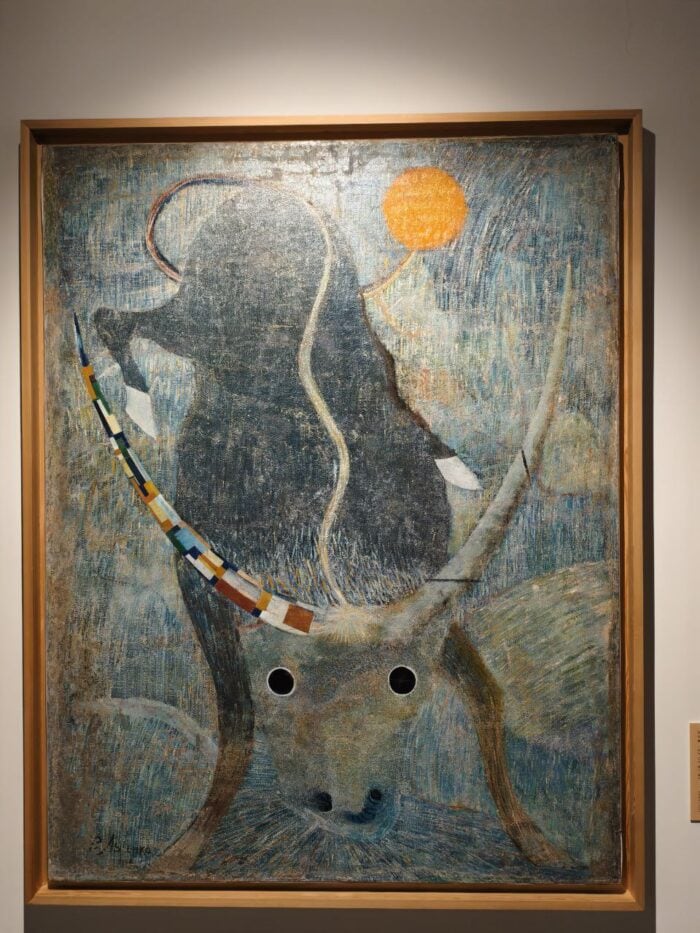
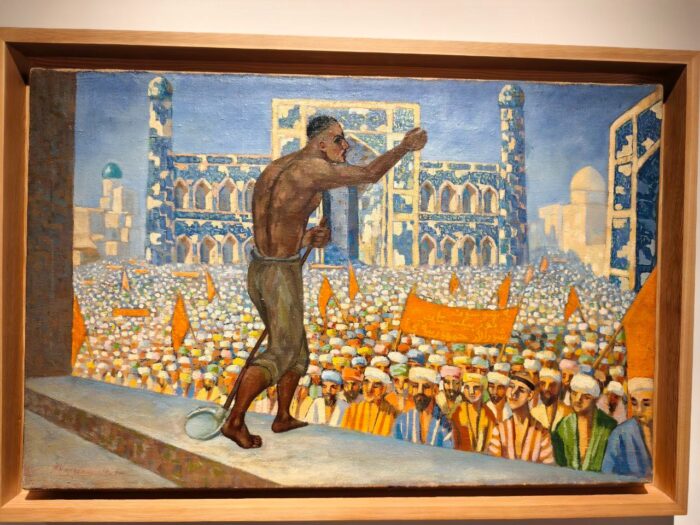
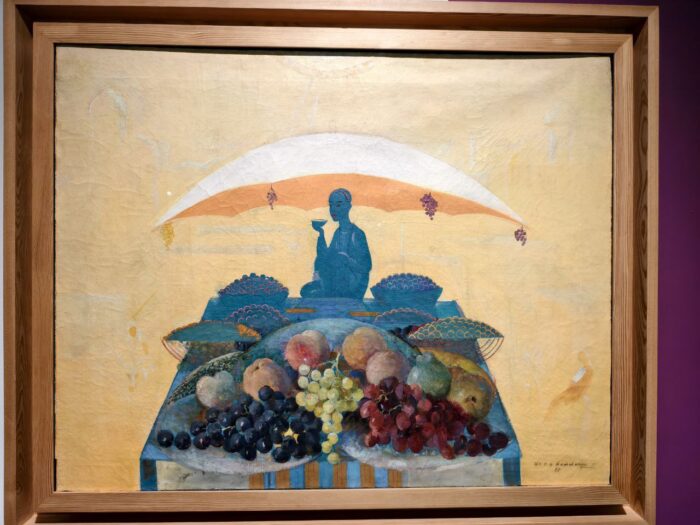
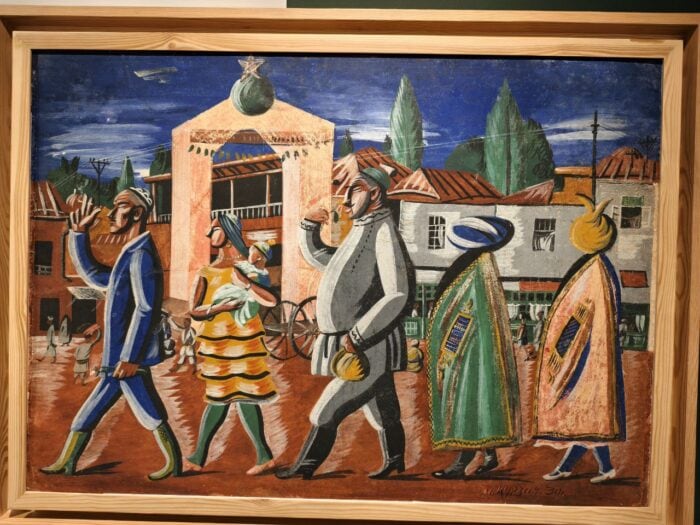
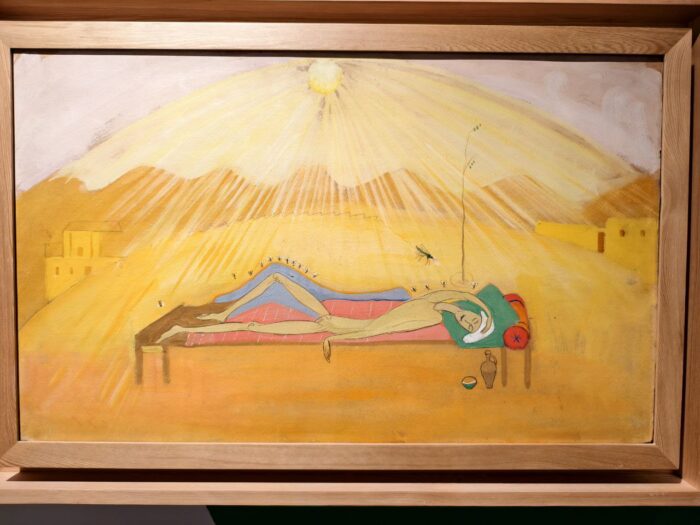
However, the main reason is that Nukus has a very unusual art museum accommodating thousands of unique paintings collected by its former director Savitsky during Soviet times. The museum now is in good shape, all paintings have labels in English, and generally are well-kept. What is so unique about the collection apart from its size? During Stalin’s rule and after Soviet leaders fought against modern and experimenting art. There was one style they promoted – Socialist Realism. All the rest was not welcome. But that was the time when painters experimented a lot, and one of the fashionable genres of that time can be called Russian avant-garde. Artists couldn’t freely express themselves in central cities, so some of them moved to smaller towns, and their works were hidden. Uzbekistan had more liberal views being very distant from the capital, so painters and museums could afford a little more freedom. Another reason was that they could hide their experimenting and following new Western ideas with local oriental motifs, which gave them alibis. They could always say that they just tried to be closer to local traditions to be understood better by local citizens. It worked. Thanks to Savitsky, Nukus Art Museum not only preserved unique paintings by most prominent Soviet painters but also created new blends of local traditions and modern Western art which could be seen only there. Oriental Avant-Garde is the name that stuck. Some people call the museum “Louvre of the Desert,” underlining the importance and prominence of its huge and unique collection.